
An electric dryer replacement is a basic hookup only when the model, electrical connection, exhaust path, laundry-room fit, and delivery route are compatible. The total can include the dryer, delivery, power cord, installation, vent connection, stacking kit, floor or closet work, old-unit removal, disposal, electrical corrections, and operating energy.
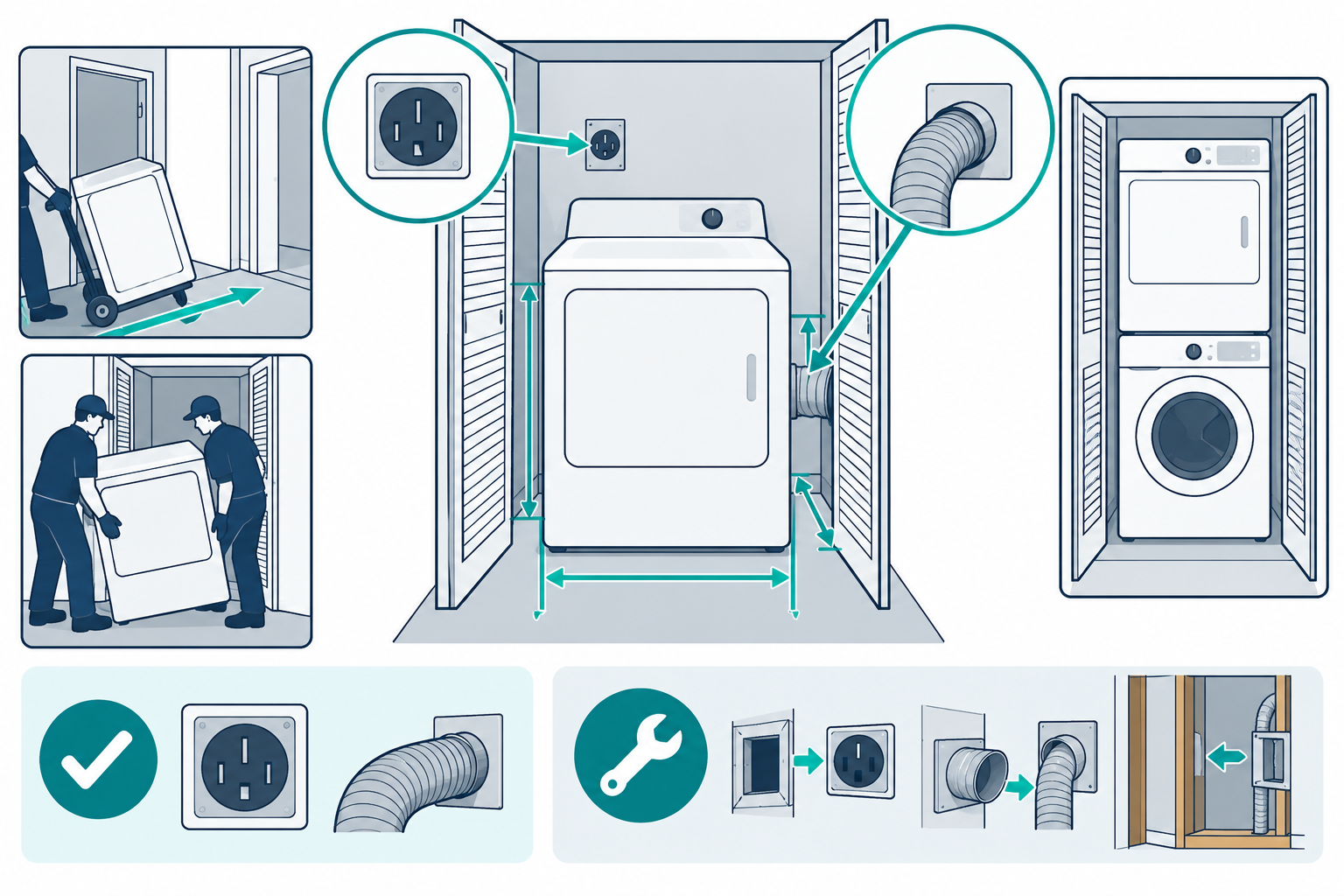
Confirm the dryer type
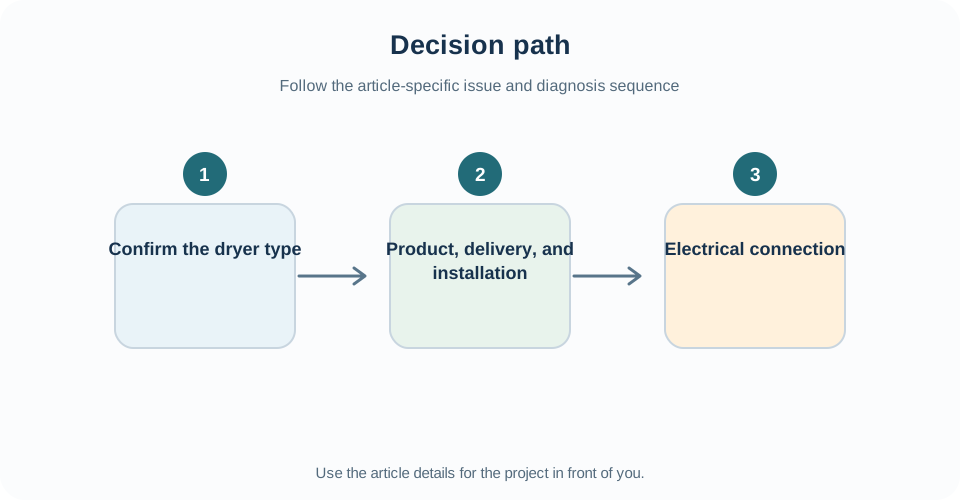
This article focuses on a conventional electric dryer with an exhaust connection. A heat-pump dryer can have different ventilation and condensate requirements and should be compared as a separate technology. Identify the model, drum capacity, vent direction, electrical connection, stacking arrangement, and laundry-room location.
Measure width, height, depth, door swing, rear clearance, vent route, and the path from the delivery vehicle. A model that fits the front opening may not accommodate the rear connection or service access.
Product, delivery, and installation
Product cost varies by capacity, controls, sensor features, finish, brand, and efficiency. Delivery can be curbside or inside. Installation may include positioning, leveling, connecting an existing compatible exhaust, testing, packaging removal, and haul-away.
Ask whether the package includes a power cord. Some products are sold without one because the home’s configuration and model instructions control the connection. Do not assume an old cord, receptacle, or vent is compatible.
Electrical connection
An existing compatible connection may support a like-for-like replacement. A damaged receptacle, wiring correction, missing circuit, or service-capacity project is separate electrical work. The exact dryer manual and local requirements control; do not state a universal cord, circuit, breaker, or receptacle rule.
Have qualified help verify the model and connection before ordering. If the project also replaces a gas dryer with electric, assess the electrical capacity and conversion cost separately.
Exhaust path
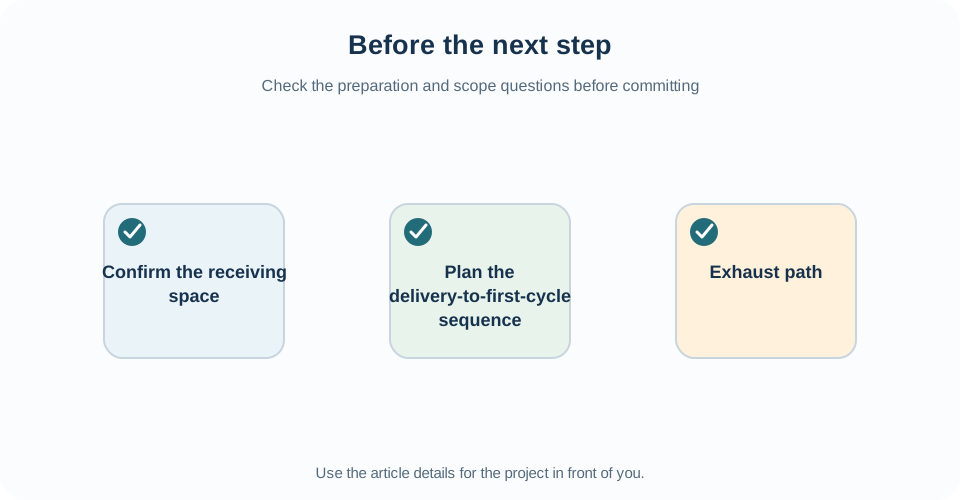
Conventional dryers require a model- and jurisdiction-appropriate exhaust arrangement. The existing duct may be damaged, restricted, too long, poorly terminated, or inaccessible. A short connection can be part of installation; a new route through a wall, ceiling, or roof is a larger ventilation and finish project.
Ask who inspects the exhaust, what materials are included, who owns wall or ceiling restoration, and whether a heat-pump alternative would avoid a conventional vent requirement. Use the dryer vent installation guide for the separate dependency.
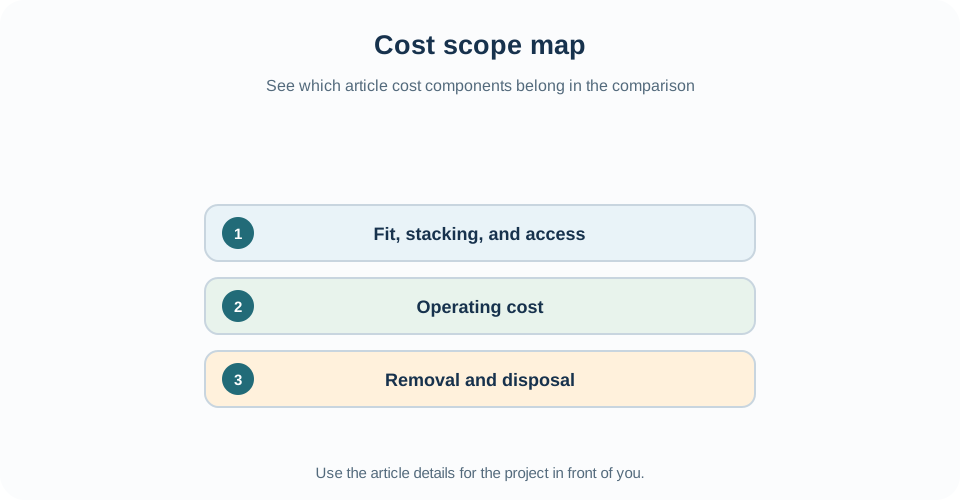
Fit, stacking, and access
Stacking requires model-specific compatibility and an appropriate kit. Similar dimensions or a shared brand are not enough. Confirm the washer, dryer, kit, wall or closet stability, and future service access.
The delivery route can require stairs, a long carry, door removal, or floor protection. Include those conditions in the quote. A narrow closet can make a future repair or replacement harder even if today’s installation succeeds.
Operating cost
Use exact model information where available and apply local electricity rates to annual use. Actual cost depends on load size, cycle, moisture remaining from the washer, sensor use, ambient conditions, and tariff. A higher-efficiency replacement may be worthwhile for a high-use household but not automatically for light use.
Removal and disposal
Ask whether the old dryer is disconnected, carried out, and hauled away. A damaged unit, basement route, or stacked installation may cost more to remove. Disposal rules and recycling programs vary by locality.
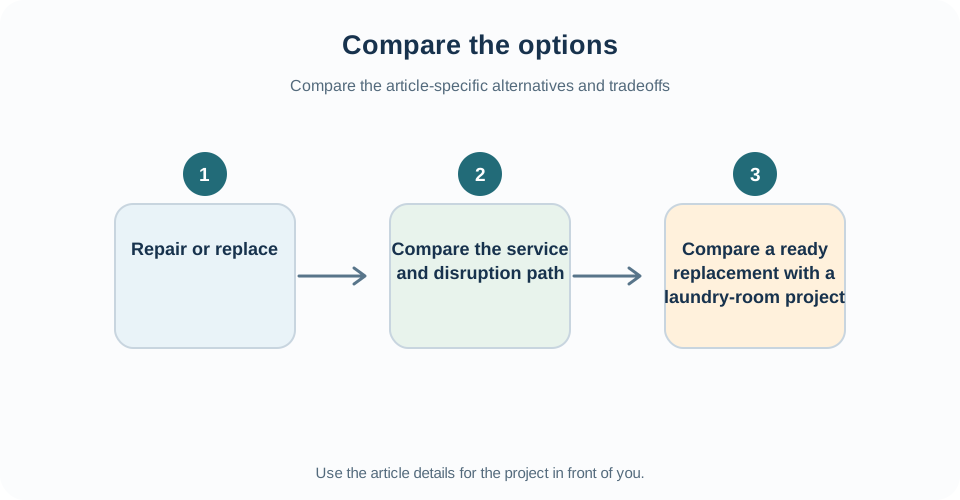
Repair or replace
If the existing dryer still works, compare a confirmed repair with replacement. A localized belt, roller, or control repair may preserve a good unit. Repeated failures, obsolete parts, unsafe exhaust, or a major assembly problem can favor replacement. Include the cost of a new vent or electrical correction in the replacement comparison.
U.S. and Canadian markets
Retail prices, installation packages, taxes, delivery, service networks, electrical practice, vent requirements, and disposal differ. Use Canadian prices for Canadian decisions; do not convert a U.S. price into Canadian dollars.
As checked October 12, 2026, Québec’s LogisVert program lists CAD $250 toward one new heat-pump dryer per eligible address. It must be purchased from a Québec retailer, including online with delivery to a Québec address, and installed in an eligible Québec home. Condenser dryers and drying cabinets are excluded; an application requires the invoice and a photo of the installed dryer. This does not cover every electric dryer replacement or installation fees. Verify the current model, address, application, and funding terms.
Confirm the receiving space
The installation quote should identify door swing, depth, stacking, floor, service access, exhaust, electrical location, and the route for the packed appliance. If the room is tight, document the removal path before delivery. A new appliance can be compatible at the connection and still fail the carry, opening, or future-service test.
Keep the final comparison honest
Compare the new electric dryer with repairing the current one, changing to a heat-pump model, or correcting the existing exhaust. Use the same assumptions for delivery, access, removal, disposal, service, outage, and ownership period. A model’s label does not settle the project when the room, route, or utility is uncertain.
Decide whether the new technology earns its premium
For a conventional electric replacement, compare a ready installation with the cost of correcting the existing path. For a heat-pump alternative, add the purchase premium, condensate, cycle, maintenance, service, disposal, and any avoided construction. Use the household’s real load pattern and local electricity rate rather than a generic savings claim.
Separate a basic swap from a correction
Ask the installer to state whether the price assumes a ready electrical connection, a suitable exhaust, a sound floor, a clear delivery route, and compatible stacking. If any assumption is unverified, price the inspection or correction separately. A new dryer can fit its opening while still failing the outlet position, vent route, service clearance, or stack-kit requirement.
Compare the service and disruption path
Record the model, parts support, warranty, delivery lead time, temporary laundry, removal, disposal, and callback terms. A repair of the current unit may preserve a good installation when the failure is contained. Replacement is more compelling when the machine is repeatedly failing, the route or electrical work needs correction, or the household wants a different drying technology. Keep each branch in the same local market and currency.
Separate equipment, delivery, inside placement, cord, electrical, exhaust, stacking, leveling, removal, disposal, testing, taxes, and warranty. The right electric-dryer budget is the cost of an appliance that can be safely installed in the actual laundry room, not simply the price of a dryer delivered to the property.
Compare a ready replacement with a laundry-room project
A straightforward replacement assumes the opening, route, supply, vent, and stacking arrangement already suit the selected model. Confirm each assumption instead of treating the old dryer as proof that a new one will fit. A different depth can change door clearance or service access. A different control location can affect reach. A different outlet position can prevent the appliance from sitting fully back. A stacked installation can require a model-specific kit and a safe sequence for moving the machines.
The expanded project may include a new or corrected electrical path, an exhaust correction, floor repair, wall or cabinet work, a platform, or a change from a conventional dryer to a heat-pump model. These are different scopes with different trades and scheduling risks. Ask the provider to identify the condition that triggers each line and whether the work is included, excluded, or subject to site verification.
Plan the delivery-to-first-cycle sequence
Delivery is not complete when the dryer is inside the home. The crew may need to protect floors, navigate stairs, remove a door, disconnect the old unit, install a cord or approved connection, attach the exhaust, level the appliance, secure a stack, and test operation. If the washer must be moved to reach the dryer, include the time and risk for both machines. A stacked pair may need partial disassembly rather than a simple carry-out.
Ask what the installer will verify before leaving: the drum turns, the selected cycle starts, the door or control operates, the exhaust connection is secure, and no new damage is visible. A test does not replace model-specific installation instructions or a qualified check of electrical work. Decide in advance who handles a callback if the first full load exposes a vent, vibration, heat, or connection problem.
Check the repair alternative first
If the current dryer has a clear fault and a sound electrical and exhaust path, compare repair before ordering. If the path needs correction, parts are unsupported, failures repeat, or the household wants a different technology, replacement may be the better project. Keep the exact model and local service path visible in both branches.
Model ownership cost by use, not by label
Annual electricity cost depends on load frequency, moisture left by the washer, cycle choice, household rates, and the exact model. Use a simple low-, typical-, and high-use scenario. Add replacement filters or maintenance where applicable, service availability, and the cost of a future vent correction. A higher purchase price may be reasonable for heavy use or a difficult exhaust project, while a light-use household may value a ready, supported replacement more.
Keep the comparison in the purchase-market currency. U.S. specialist repair figures and Canadian retail or installation quotes describe different markets and should not be blended or converted into a false local estimate.