
Like-for-like gas dryer replacement still requires a compatible fuel connection, electrical supply, exhaust path, and qualified installation. The budget may include the appliance, delivery, gas connector or shutoff work, electrical connection, vent connection, stacking, removal, disposal, testing, permits, and operating cost. A gas replacement is not a license to perform fuel work yourself.
Confirm the existing setup
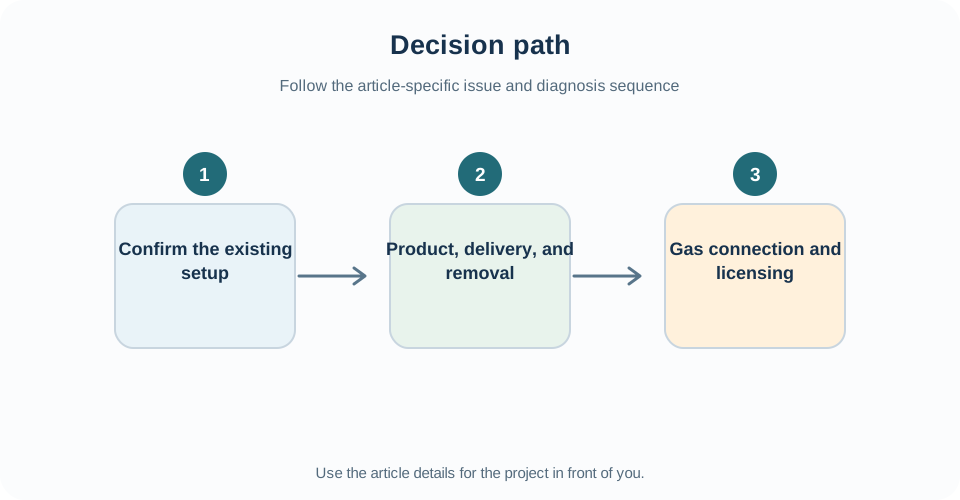
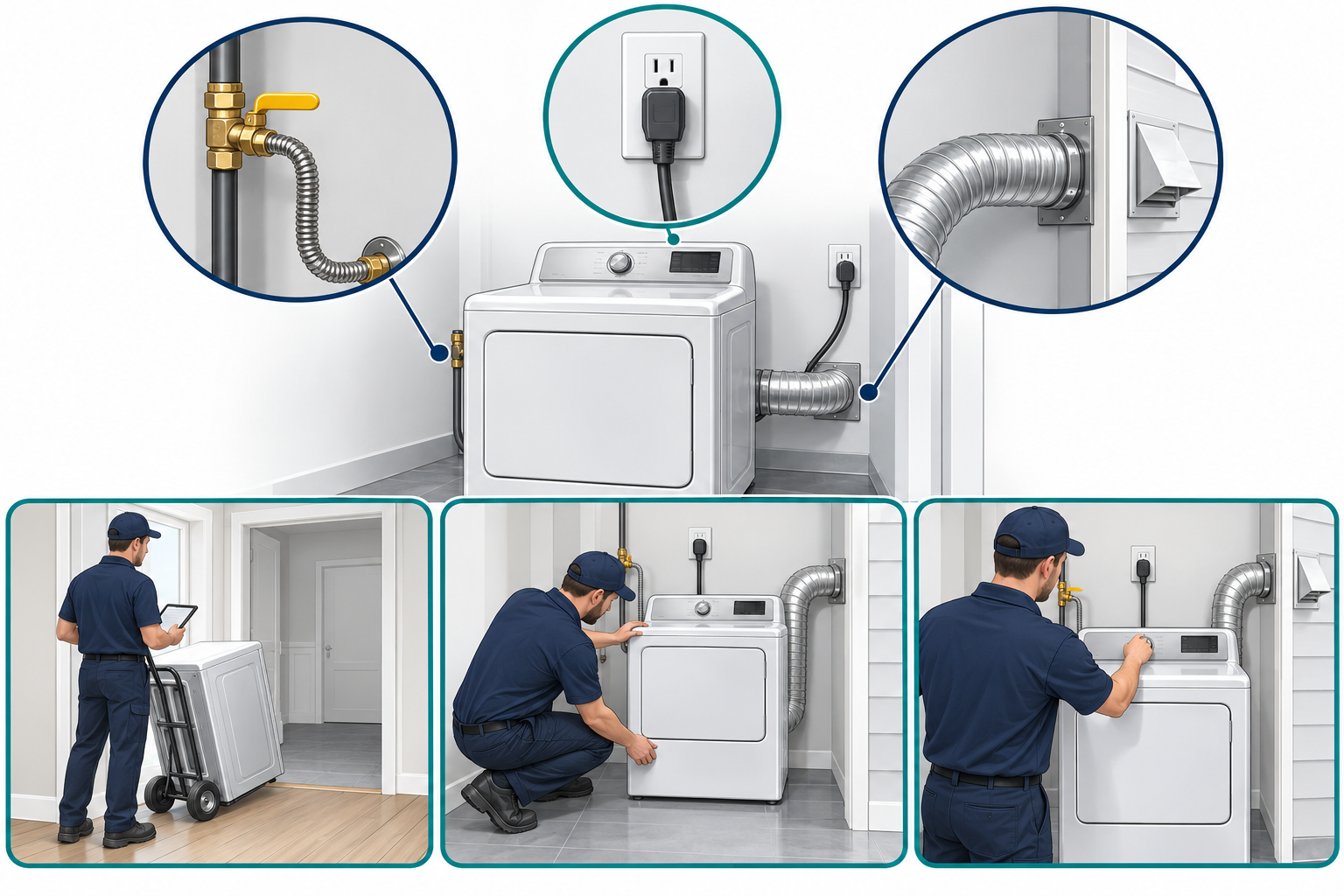
Record the dryer model, gas type, capacity, vent direction, electrical connection, shutoff location, connector, room, stacking arrangement, and route. Check the selected model’s installation instructions before ordering. A new unit can change the connection location or clearance even when its advertised width matches.
Measure the laundry space and delivery path. Include stairs, closet access, floor protection, door swing, and service clearance. A stacked or recessed dryer may require disassembly or specialized handling.
Product, delivery, and removal
Product price varies by capacity, controls, sensors, finish, brand, and availability. Delivery may be curbside or inside. Ask whether installation includes positioning, leveling, connecting an existing compatible gas and electrical service, connecting the exhaust, testing, packaging, and haul-away.
Removal may require a qualified person to disconnect the gas supply. A retailer’s delivery package may not include that step or may refuse a setup that does not meet its policy. Put the sequence in writing.
Gas connection and licensing
Gas connectors, shutoffs, pressure, venting, combustion, permits, inspections, and licensing rules vary by jurisdiction and model. The exact manufacturer’s instructions and local authority control. Ask which qualified trade performs the work and who obtains an inspection if required.
Do not provide or follow a DIY gas-connection procedure. If the connection leaks, the appliance is damaged, or a gas odor is present, stop and contact the appropriate emergency or qualified service channel.
Electrical supply
Gas dryers still use electricity for controls, motor, and other functions. An existing compatible connection may support a basic replacement, but a damaged outlet, wiring correction, or new circuit is separate electrical work. Do not infer a universal receptacle or circuit requirement.
Exhaust path
Conventional gas dryers generally require an appropriate exhaust arrangement. The model instructions and local requirements control material, routing, termination, and clearances. The existing route may be restricted, damaged, too long, or incompatible. A new route through finished walls or roofs is a separate ventilation and finish project.
Ask who inspects the vent, who corrects it, and whether the quote includes cleaning or only a short connection. A vent problem can look like a dryer failure and can make an otherwise simple installation unsafe or ineffective.
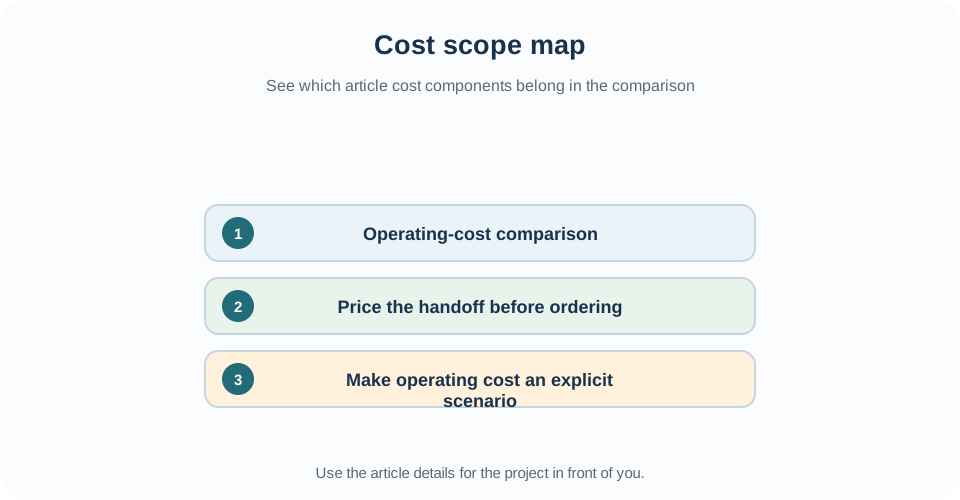
Operating-cost comparison
Compare fuel and electricity use using local delivered rates and an explicit usage assumption. Gas prices, electricity prices, fees, taxes, and appliance efficiency vary by location. Do not state that gas is always cheaper to operate. A heat-pump dryer is another alternative with no conventional ventilation requirement in ENERGY STAR’s description, but it has different purchase, condensate, and service considerations.
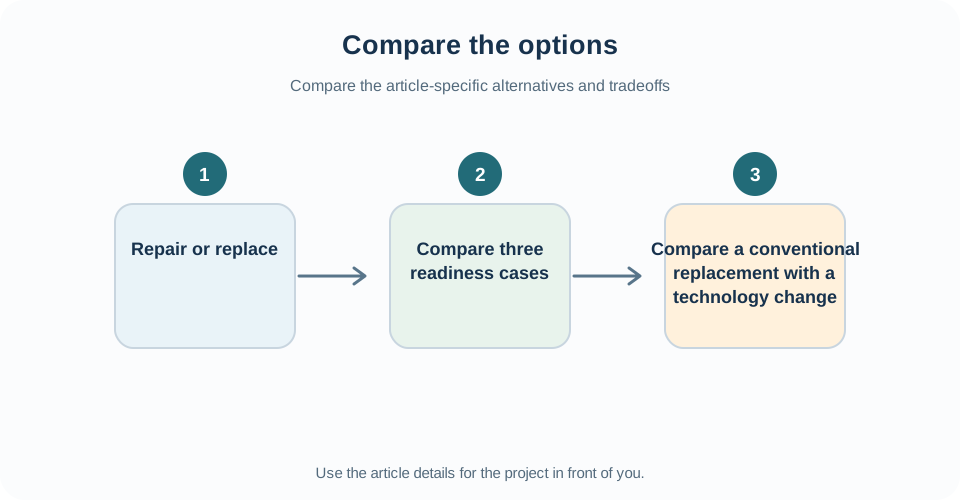
Repair or replace
If the existing dryer is reliable, a localized repair may be more economical than replacement. Replacement is stronger when repairs repeat, major components are obsolete, the exhaust or gas connection needs correction anyway, or the household wants to change technology. Include diagnosis, repair, replacement, qualified installation, connection, vent, disposal, and disruption.
U.S. and Canadian differences
Licensing, permits, inspection, fuel pricing, taxes, installation packages, product availability, and service networks differ. Canadian buyers should use Canadian suppliers and qualified installers. U.S. figures and practices should not be converted or presented as Canadian requirements.
Quote checklist
Request separate equipment, delivery, gas disconnection and connection, electrical, exhaust, stacking, access, removal, disposal, permit, inspection, testing, tax, and warranty lines. The final budget should identify who is qualified to connect the fuel and what happens if the existing setup fails inspection.
Price the handoff before ordering
Write down the current connection, model, route, opening, stacking arrangement, access, and service history. Then ask the installer to mark each item verified, assumed, or excluded. This separates a ready replacement from a project that may need gas, electrical, exhaust, cabinetry, floor, or approval work.
Compare three readiness cases
The lowest-complexity case is a supported replacement in the same location with a verified gas connection, suitable electrical supply, serviceable exhaust, and a clear delivery route. A moderate case keeps the location but needs a connector, shutoff, vent correction, stacking work, or access preparation. An expanded case changes the fuel, route, room, or cabinetry and may require multiple qualified trades and an approval or inspection path. Ask the installer to state which case the quote assumes.
Do not let a working old dryer conceal an unverified connection. The new model’s instructions, the local authority or utility requirements, and the qualified installer’s assessment control. If gas odor, damaged piping, combustion concerns, or abnormal heat is present, stop using the appliance and obtain qualified help. The appliance quote cannot substitute for a gas-safety assessment.
Make operating cost an explicit scenario
Gas dryers use both fuel and electricity. Compare the delivered cost of each energy source, fixed charges that actually change, taxes, and a realistic number of loads. Include the washer’s spin performance and the exhaust condition because drying time is not determined by the dryer’s nameplate alone. A heat-pump dryer can change the utility and vent assumptions, but its purchase premium, condensate handling, cycle behavior, and local service support belong in the same comparison.
Run the comparison for the expected ownership period and show what remains uncertain. Gas and electricity rates, rebates, product availability, and service coverage change by location and date. Do not present a U.S. operating estimate as Canadian guidance or assume a fuel conversion pays back on a universal schedule.
Ask how the installation will be commissioned
The handoff should identify who checks the qualified connection, exhaust, electrical supply, controls, drum operation, and surrounding finish. If the installer discovers a gas, vent, electrical, or access condition outside the quote, the written scope should say whether work stops, another trade is called, or a second visit is scheduled. This is especially important for stacked or built-in laundry spaces.
Decide how much of the old setup to preserve
Preserving a verified gas route may minimize construction, but it should not override a model that is unsupported, poorly matched to the room, or difficult to service. A heat-pump alternative may change the vent and fuel assumptions while adding condensate and service considerations. Compare the options with the same delivery, outage, removal, disposal, warranty, and ownership-period assumptions.
Record who owns a failed inspection
If the qualified installer finds a damaged connector, unsuitable vent, electrical issue, access problem, or model mismatch, the quote should state who diagnoses it, who corrects it, and whether the delivery is rescheduled. This prevents a “basic installation” allowance from becoming an unexplained second invoice.
Keep the final scope in writing
The completed quote should name the model, qualified connection, exhaust, electrical, stacking, delivery, removal, disposal, testing, warranty, inspection responsibility, and callback path. If a condition is excluded, say who can provide it and whether the appliance can be commissioned without it.
Make the ownership period explicit
Use the expected years of ownership, loads per week, delivered fuel and electricity rates, service availability, warranty, and disposal path. Show the assumptions that could reverse the decision rather than promising a universal operating-cost winner.
Price serviceability and disruption
Ask who can service the selected gas model, whether common parts are locally available, what the warranty requires, and whether the installer returns if a connection or vent issue appears during commissioning. Add delivery lead time, temporary laundry access, removal of the old unit, disposal, and any stacked-pair disassembly. A slightly cheaper appliance can be the more expensive choice if it creates a long outage or unsupported service path.
Keep gas, electrical, and exhaust scopes visible
The delivery crew may disconnect an appliance without owning a gas correction, electrical repair, vent reconstruction, or finish restoration. Ask the quote to show who performs each handoff, what is tested, and which condition would stop the installation. The exact model manual and qualified installer control the connection; the homeowner should not treat a generic connector or old shutoff as proof of compatibility.
Compare a conventional replacement with a technology change
If the laundry room has a ready conventional route, a same-type replacement may minimize construction. If the route is difficult or the household is considering lower energy use, compare a heat-pump option with its different condensate, cycle, purchase, service, and disposal requirements. Make the comparison on total installed cost and household use, not a universal claim that one fuel or technology always wins.