
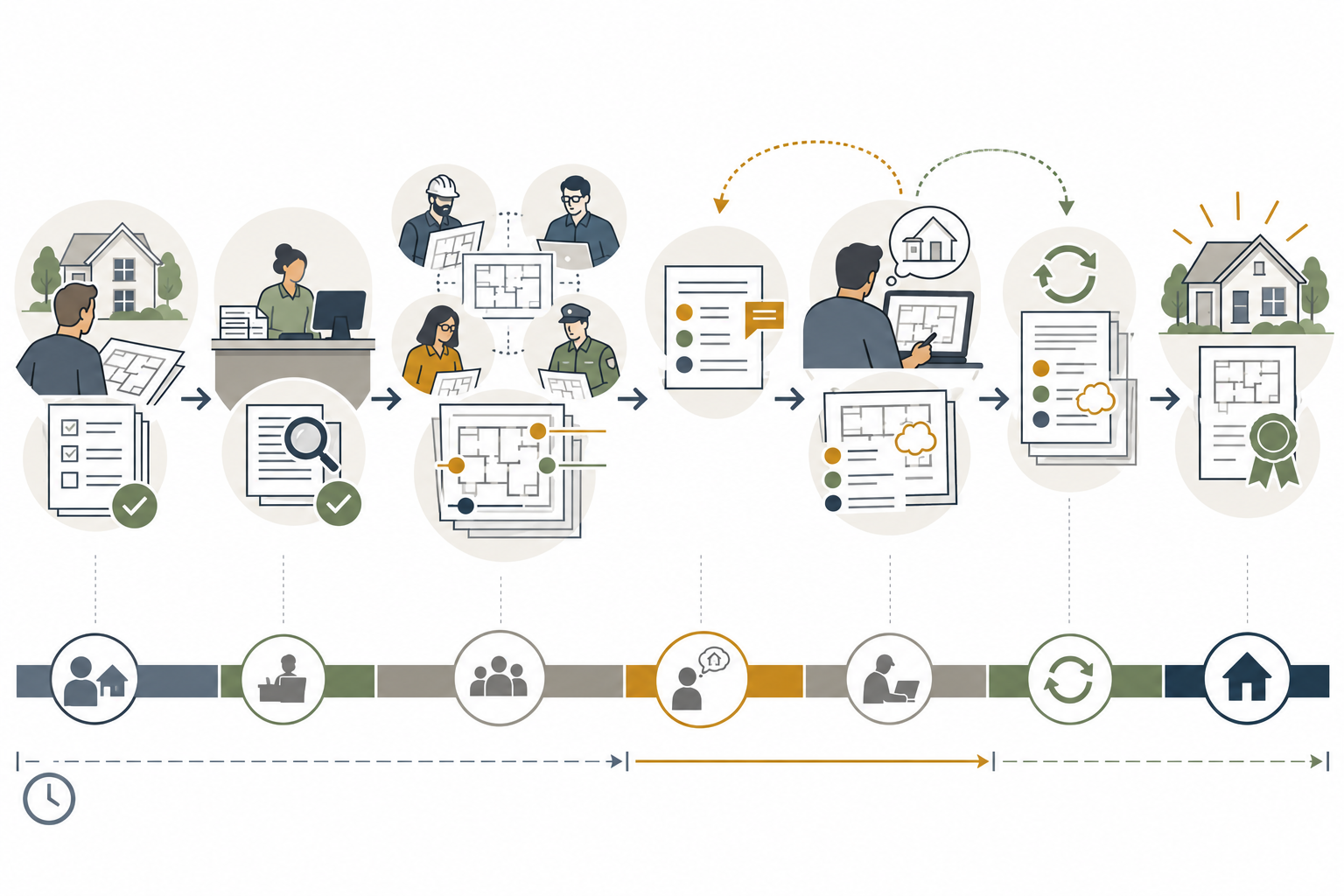
The fee paid to submit a permit is only one step. The authority may check application completeness, zoning or other applicable laws, building-code compliance, structural and system documents, and inspection arrangements. A correction notice can create both government charges and professional redesign time.
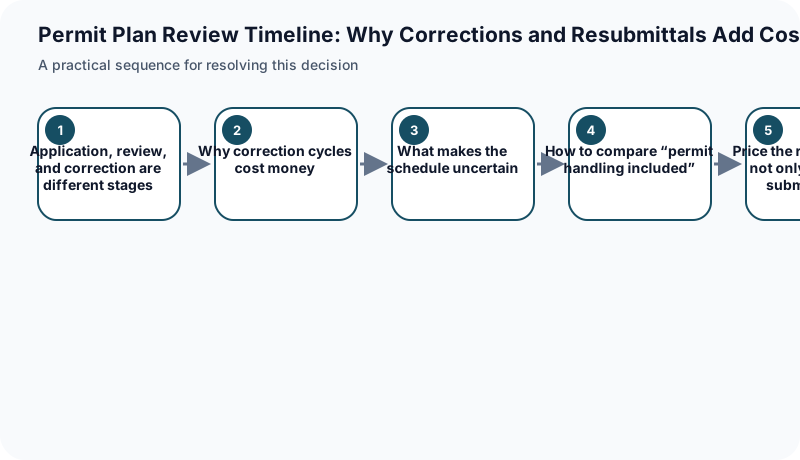
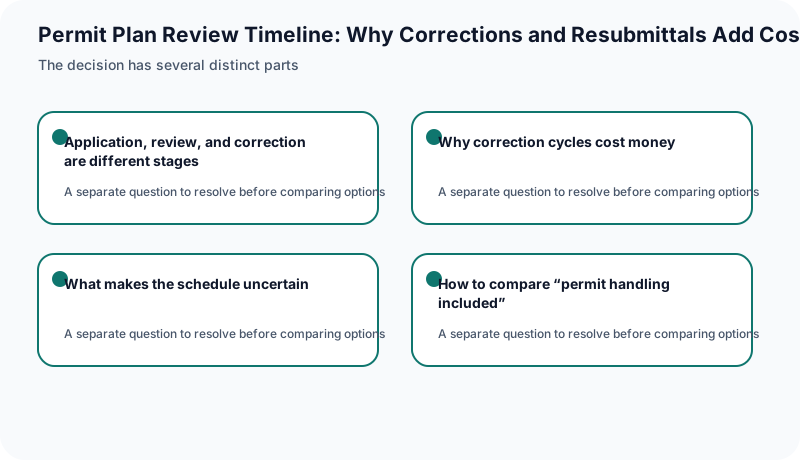
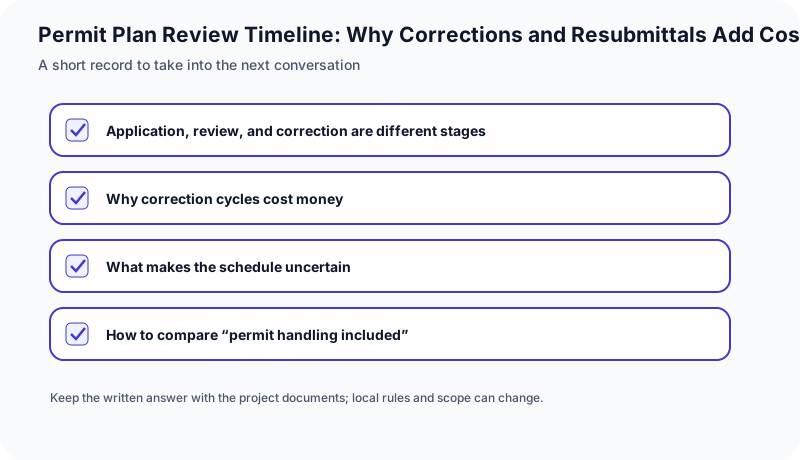
Application, review, and correction are different stages
An application may be incomplete before technical review starts. Once accepted for review, staff may issue comments, request missing information, or route the project to several disciplines. The designer or engineer may need to answer, revise drawings, coordinate consultants, and resubmit. Approval then leads to construction inspections and closeout.
Toronto and British Columbia materials describe local processes in which application information, plans, fees, review, approval, construction, and final inspection are separate steps. Seattle publishes project-specific review and fee information. None of these examples promises the same timeline in another jurisdiction.
Why correction cycles cost money
Some corrections are administrative and require a small response. Others reveal a coordination issue, missing design information, an incorrect assumption about zoning, a structural change, a system conflict, or a need for another approval. The professional may bill hourly or under an additional-service clause. The authority may charge for revised information or a new submission, or it may include a response within the original fee.
Do not assume every correction triggers a government fee, and do not assume no fee means no professional cost. Keep both lines visible.
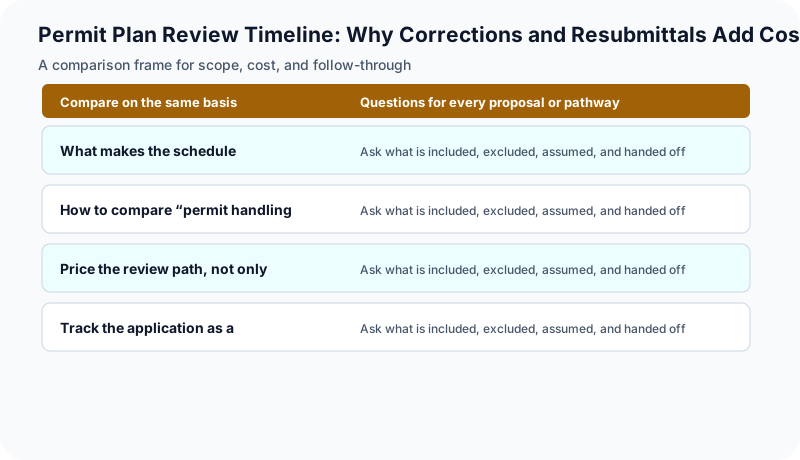
What makes the schedule uncertain
- Application completeness and document quality.
- Project complexity and number of reviewing disciplines.
- Authority workload and published service targets.
- Zoning, heritage, flood, conservation, or other parallel review.
- Missing surveys, engineering, energy, or applicable-law information.
- Number and quality of correction responses.
- Owner changes made while review is underway.
Posted review targets are useful for planning but are not a guaranteed completion date. A contractor’s start date should allow time for review, corrections, issuance, and inspection scheduling.
How to compare “permit handling included”
Ask the designer or contractor:
- Does the fee include application preparation and submission?
- Which authority comments and number of response rounds are included?
- Are structural, MEP, energy, site, zoning, or heritage responses included?
- Who pays authority resubmittal or revision charges?
- What counts as an owner-requested change rather than a correction?
- What happens if the authority requests a new study or professional signature?
- Is construction allowed to start before all approvals and permits are issued?
Record comment letters and revised sheets so everyone is pricing the same version. Read permit revision and resubmittal cost when the change is known, or permit drawings cost when the original package is still being defined.
Price the review path, not only the first submission
Ask the designer or expediter to list which disciplines are expected to review the project and what each response round includes. An application involving only a straightforward interior change may have a different path from an addition with structural, site, utility, zoning, or heritage questions. The first review may also identify a missing approval that was not apparent from the initial checklist. A fee proposal should say whether the professional will coordinate all disciplines or only prepare the original drawings.
The authority’s comments and the professional’s response are different work products. One may be a clarification answered with a note; another may require revised calculations, a new survey, a changed layout, or a consultation with another specialist. Ask how the professional charges for each type, what response rounds are included, and whether owner-requested changes are treated separately from correction responses.
Keep a simple comment log with the authority’s question, responsible professional, required information, response date, revised sheet number, and fee status. This helps prevent paying twice for the same response and makes it easier to determine whether a delay is caused by missing documents, an owner decision, or the authority’s next review. Do not submit a new drawing set without making clear which approved or submitted version it replaces.
Before agreeing to a construction start date, ask the contractor which approvals must be issued, whether trade permits are separate, and what happens if review extends beyond the assumed date. A contractor may hold a price for only a limited period or charge for remobilization after a delayed start. The permit fee itself may be modest compared with professional redesign or carrying costs created by an uncertain schedule.
Track the application as a series of handoffs
Assign one person to maintain a review log from intake through issuance. Record when the package is submitted, whether it is accepted as complete, which departments are reviewing it, what response is due, who owns that response, and when the next status check occurs. This creates a realistic schedule update without treating a posted target as a guarantee.
Before submission, ask the designer which documents depend on another approval or consultant. A missing survey or unresolved zoning question can delay technical review even if the building drawings are complete. Ask whether the authority will review partial information or requires all components before routing the application.
When comments arrive, group them by responsible party and identify whether they ask for information, a design decision, or a changed scope. Agree on a response date and give the professional enough time to coordinate disciplines. Sending partial or conflicting revisions can add another cycle. Confirm that the revised package answers each comment and identifies the updated sheets.
Build a schedule that allows for owner decisions
The elapsed review time includes more than the authority’s own queue. A correction may wait while the owner selects a material, a surveyor completes field work, or an engineer prepares calculations. Ask the designer to identify which decisions have the longest lead time and when they must be made to avoid a late response.
Ask the authority whether review happens in parallel across disciplines or in sequence, whether completeness screening is separate from technical review, and how applicants receive comments. Use published service targets only as planning context. A missing document, revised scope, or incomplete response can change the sequence.
Estimate correction work by type
Ask the professional to group likely corrections into administrative clarifications, drawing coordination, missing calculations or reports, and design changes. The first group may require limited effort; a new structural or site solution can involve several professionals and a new application review. The authority’s fee schedule may treat those events differently, so request the current rule rather than assuming every resubmittal has one price.
Set a response protocol before comments arrive. Name the person who receives notices, the person who assigns each item, the owner who approves a design change, and the person who submits the final response. A one-page log can track question, answer, revised sheet, fee, and date.
Ask the professional to identify how many response cycles the fee includes and what a cycle means. A complete written response may include revised plans and consultant coordination, while an administrative upload may be a smaller task.
Ask the authority which applicant or professional should submit a response and whether the response clock changes when revisions are uploaded. Record the date comments are received and the date the complete response is accepted so the owner can distinguish design time from authority review time.
When the authority issues a permit, store the approved set and conditions separately from the submitted draft. Confirm who tells the contractor that the issued version is ready for construction.
At issuance, verify the approved drawing revision and any remaining conditions. An application marked “complete” or “in review” is not the same as an issued permit.
Keep review delays separate from an issued permit that has stalled
This guide covers the application and correction process before the authority issues the approval. After issuance, the question changes: the owner may need to confirm whether the permit remains active, whether an extension is available, or whether a new review is needed. Do not treat an application that is still under review as an expired permit, and do not assume an issued permit remains usable indefinitely. Ask the authority to confirm its record and path. Permit renewal and reinstatement costs covers that status decision.
The useful budget is an allowance for correction and coordination, not a promise that the authority will take a fixed number of days. A complete initial application reduces avoidable delay, but it cannot eliminate project-specific review.
Protect the estimate while review is underway
Ask contractors how long their bid remains valid and what happens if the permit review takes longer than planned. If prices may change, document the assumed start date, material hold, and any re-quoting terms. Do not combine that market risk with authority fees or professional correction work.
Before a submission, request a fee estimate from the design professional for the likely response effort and identify what is excluded, such as a new study or owner redesign. After each comment cycle, update the project budget and schedule rather than waiting until permit issuance to discover accumulated costs.