
Professional bat exclusion commonly costs hundreds to more than $1,500 U.S. when a roost survey, roofline access, one-way exclusion, secondary-opening repair, monitoring, and guano or insulation cleanup are involved. The range is broad because bat work is species-, season-, building-, and jurisdiction-dependent. Canadian and U.S. homeowners need a local wildlife professional rather than a universal calendar or do-it-yourself sealing plan.
Exclusion is not ordinary pest sealing
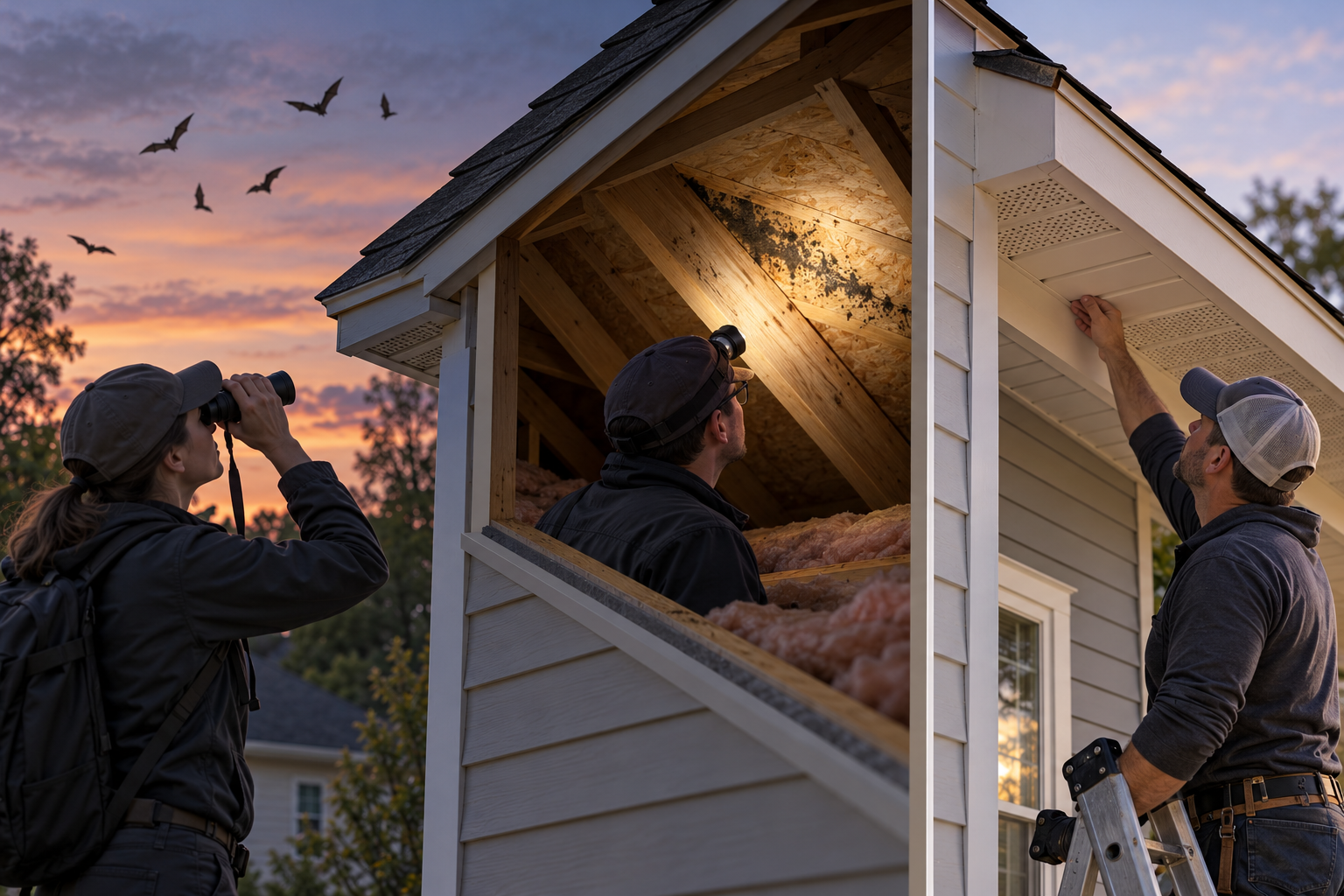
Bats may be protected, and a building can contain a maternity or hibernation roost. The first question is not “How fast can the hole be closed?” It is whether the species, season, roost status, and local law permit the proposed work. U.S. Fish and Wildlife Service guidance gives a typical seasonal example for maternity concerns, but it does not create a universal U.S. or Canadian date.
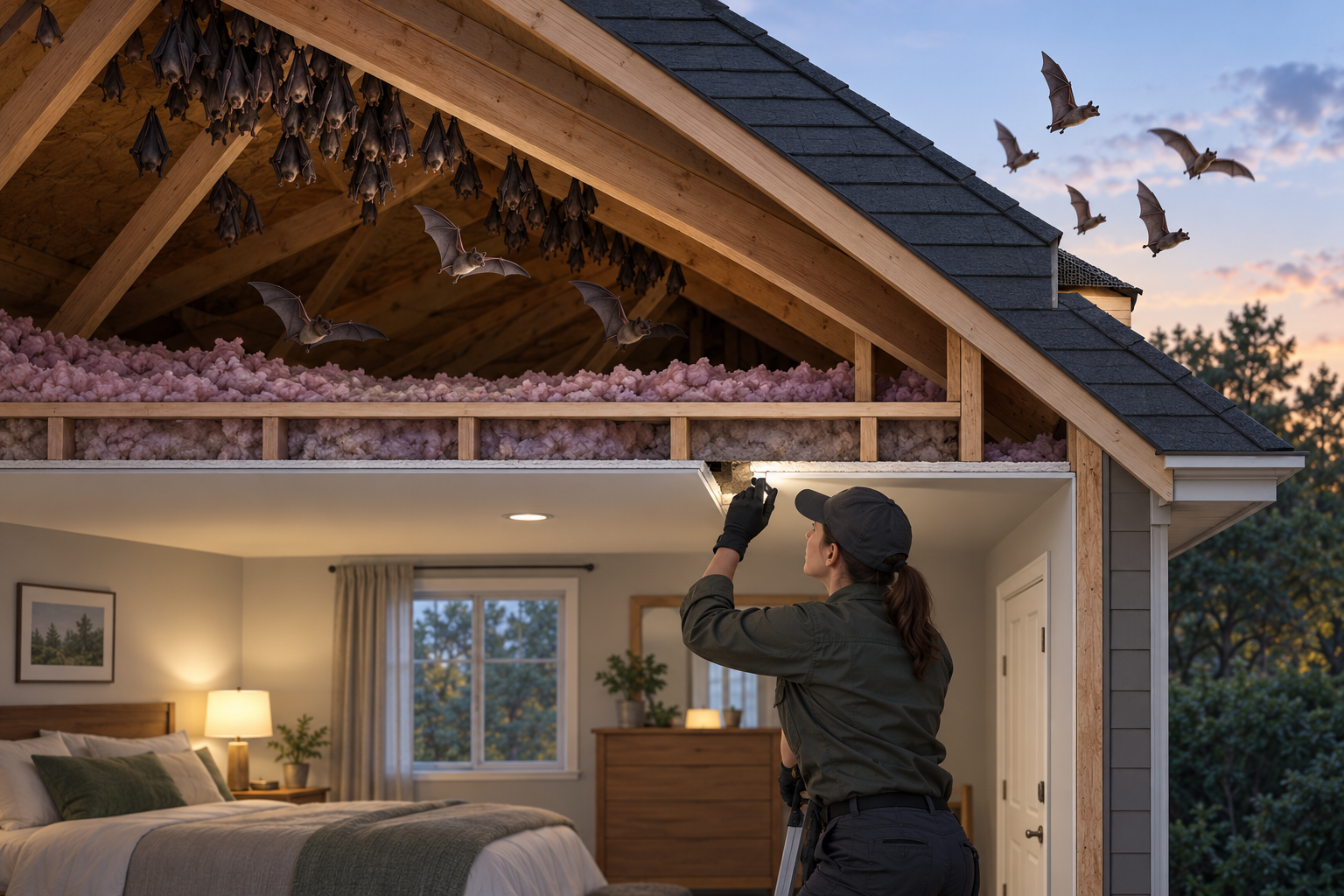
Ask the provider to identify the roost, entry and exit points, secondary openings, likely species if possible, and local timing rule. A single bat in a room and an established attic colony are different decisions.
Two local agency examples show why the schedule belongs in the written scope. Wisconsin DNR advises against restricting bat exits from June 1 through July 31 during its stated maternity season and describes one-way exit devices. British Columbia recommends spring or fall and says to maintain a one-way exit for one or two weeks before fully blocking entrances. These are separate state and provincial recommendations; neither date window nor staging period can be transferred to another location or building. Ask the provider to identify the current authority and site conditions behind the schedule for your property.
Ontario requires a separate current check. Its homeowner page, last updated in December 2025, recommends sealing from October through March or after confirming bats are absent, but that page still cites the former Endangered Species Act framework. A 2026 regulation lists seven bat species as endangered under Ontario’s current framework. The evidence does not determine whether a particular exclusion method is registerable, requires a permit, or is excepted, so do not treat the older dates as legal permission. Ask the provincial authority and a qualified local provider to verify species, roost and young status, timing, method, and the applicable pathway.
Oregon illustrates a different kind of staged work. The Oregon Department of Fish and Wildlife’s 2025 operator-training manual describes a temporary professional service that seals openings between a bat roost and occupied rooms while colony eviction is deferred. It is a way to discuss interim protection with a qualified local provider, not a removal method or a transferable rule. Ask whether the service is appropriate for the building and what inspection, installation, and follow-up would cost; confirm current Oregon requirements and the property’s roost conditions before scheduling work.
What the project can include
| Scope | What changes the price |
|---|---|
| Roost assessment | Species, activity, season, building access, and protected-status questions |
| Exclusion design | Number of primary and secondary openings and the appropriate professional method |
| Access | Roof height, eaves, siding, soffit, chimney, and lift or staging needs |
| Building repair | Screens, flashing, trim, roofing, siding, vents, and weather sealing |
| Cleanup | Guano, contaminated insulation, odor, and access protection |
| Monitoring | Reinspection, confirmation of exit, and removal or maintenance of devices |
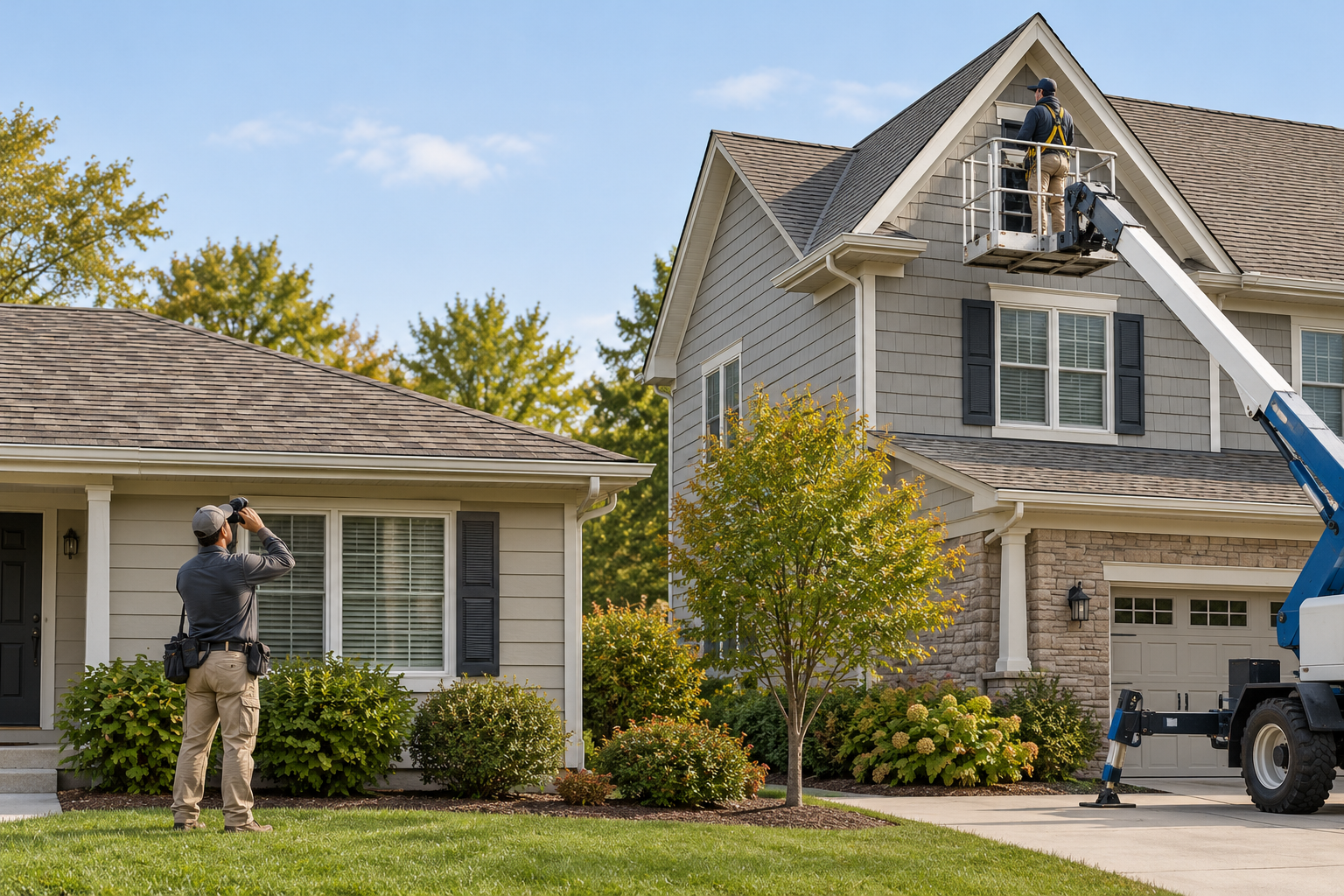
The quote should identify whether cleanup and repair are included. A bat specialist may own exclusion but not roofing, insulation, environmental cleanup, or finish restoration.
Why trapping bats inside is a serious failure
Closing the primary hole while bats remain inside can force them into living areas, create a welfare problem, and make the building harder to resolve. A qualified provider should explain how it will establish that the building is clear or how it will use a lawful, appropriate exclusion sequence. Do not install a one-way device, block an opening, or handle bats based on a generic online calendar.
Bat work can also involve rabies exposure. Canadian public-health guidance says direct contact or exposure of saliva or neural tissue to an open wound or mucous membrane generally requires prompt assessment and may require post-exposure prophylaxis. It also says a risk assessment is needed for potentially rabid animal exposure. Contact local public health or medical care after a possible exposure; the removal provider cannot replace that assessment.
Cleanup and repair are separate costs
Guano, urine, nesting material, and contaminated insulation can require professional cleanup. The appropriate scope depends on amount, access, ventilation, material, and local health requirements. Do not dry sweep or vacuum contaminated material without authoritative professional guidance.
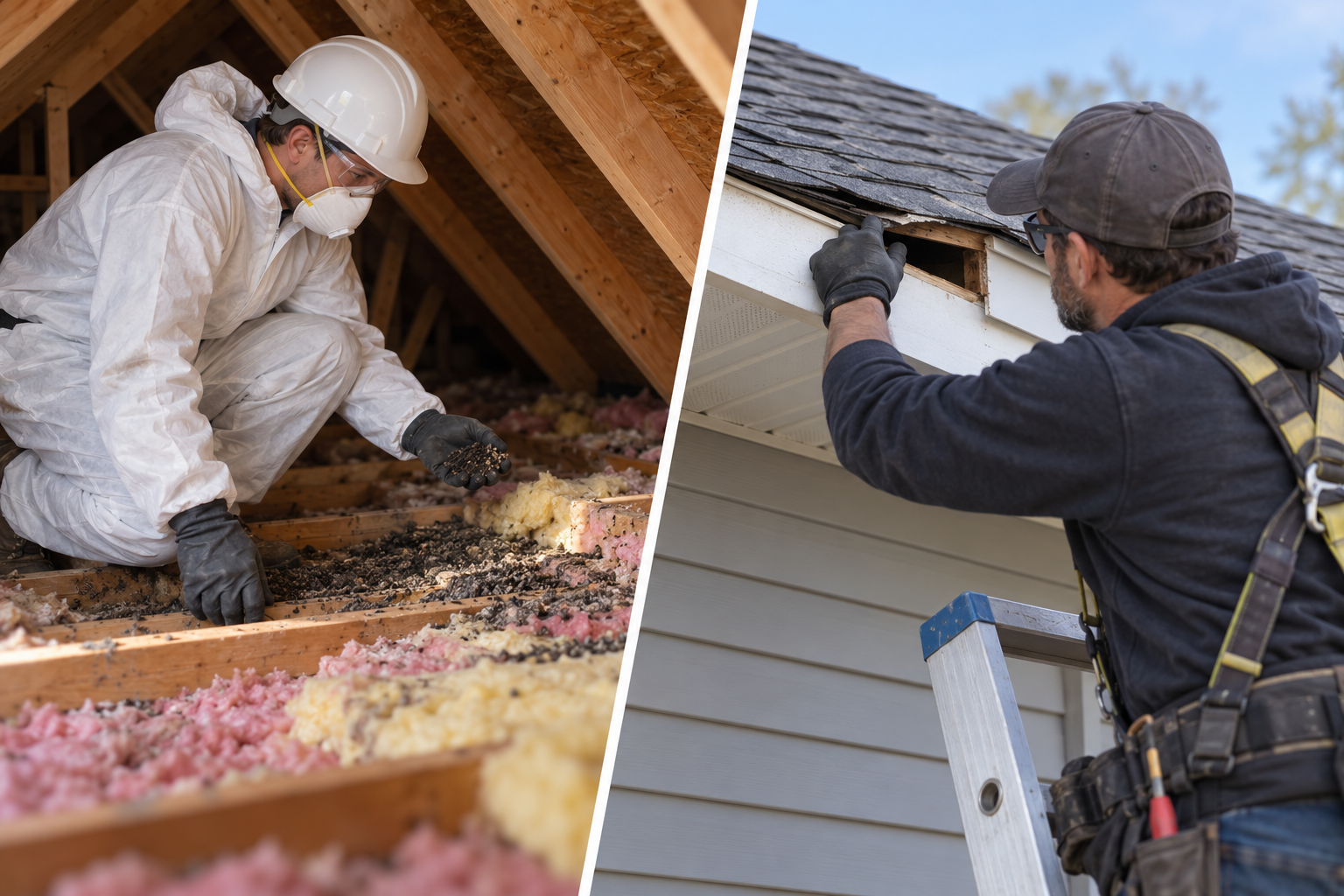
Roof, siding, chimney, soffit, drywall, insulation, and finish repair may be needed after exclusion. Ask the wildlife contractor to identify those items but obtain the repair price from the responsible trade. A low exclusion bid can leave substantial restoration outside the contract.
Compare proposals
Ask each provider to state:
- species and roost assumptions;
- timing and local-rule verification;
- primary and secondary openings;
- exclusion method and monitoring;
- access equipment and weather protection;
- cleanup and repair inclusions;
- what happens if bats are found inside after the work;
- guarantee, follow-up, and maintenance terms.
Do not compare a single-hole seal with a whole-roost exclusion proposal. Compare the number of openings, building faces, access conditions, season, cleanup, and follow-up.
A single bat and an established roost are different budgets
A bat found inside a living area may call for a response different from excluding a colony from the attic. Ask the provider to distinguish a single indoor occurrence from repeated entry or evidence of an established roost, and to identify the species or limits of identification. The price should reflect the property survey and work actually needed; a single indoor bat does not by itself establish that every roofline opening needs exclusion.
For a roost, ask how many entry and secondary openings were observed, which elevations require access equipment, and whether the assessment included the attic or only the exterior. The provider should explain how it will account for young or a protected roost and what finding would delay or change the work. A broad quote that skips roost status can be unusable even if it has an attractive price.
Make the stages and payment triggers visible
A staged proposal can separate:
- Inspection: species/roost assessment, opening map, timing check, and access limits.
- Exclusion window: installation of an appropriate professional device or other lawful method at specified openings.
- Verification: return visit or monitoring to confirm the route is clear before final closure.
- Building restoration: screening, roof/eave/siding repair, weather protection, or finish work.
- Cleanup: guano, affected insulation, disposal, odor, and restoration under a separately defined scope.
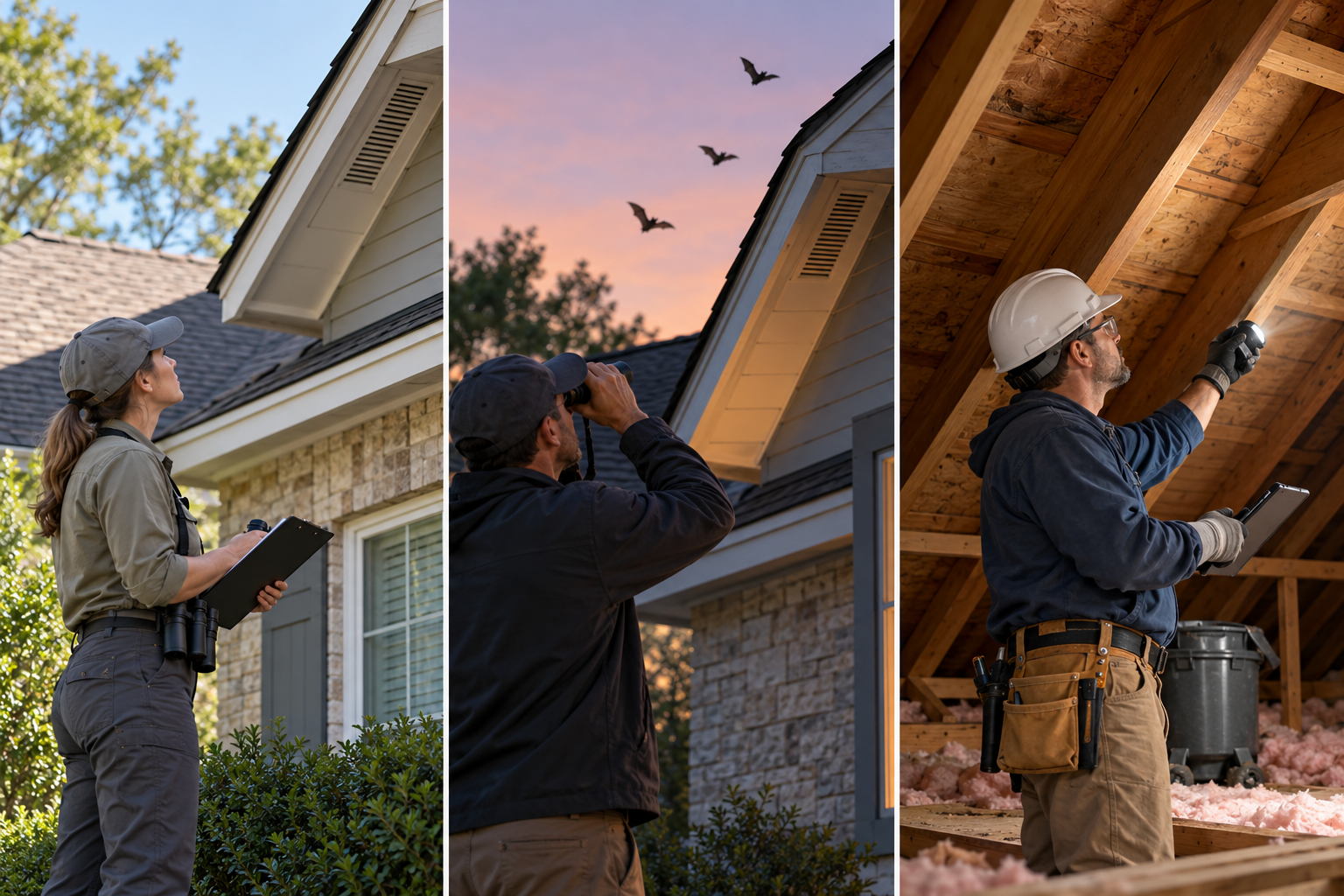
For each stage, confirm the price, what authorizes the next stage, the number of visits, and what happens if the site does not match the inspection assumptions. The stages may be quoted together, but the contract should still show their boundaries and the provider responsible for each. Do not pay for final sealing as if exit verification were already complete. If local timing delays closure, ask whether temporary weather protection, monitoring, and a later return visit are included; do not install or remove an exclusion device yourself.
If the lawful timing or roost status is not yet clear, compare an inspection price with a full-work proposal rather than treating a planned installation date as certain. Ask how long the assessment is valid, whether a later visit is included, and what new finding would require a revised quote. Roof access, temporary weather protection, monitoring, and return travel can become separate costs when exclusion must wait. The provider should explain these contingencies without converting a Wisconsin, British Columbia, or dated Ontario calendar into a promise for another property.
If the provider’s price assumes that a colony leaves during one scheduled window, ask what happens if monitoring finds continued activity or dependent young. Confirm whether the next visit, maintenance or removal of an exclusion device, final closure, and repair of secondary openings are included or separately authorized.
Bottom line
Use hundreds to more than $1,500 U.S. as broad planning context only. Start with species, roost status, timing, and local law; then price access, exclusion, repair, monitoring, and cleanup. Do not use a regional calendar as a universal rule or treat an exclusion quote as an exposure assessment.