
A washer replacement is a basic hookup only when the space, water supply, drain, electrical connection, floor, and access are ready. The total cost can include the machine, delivery, inside placement, hoses, shutoffs, drain changes, leveling, stacking, electrical work, removal, disposal, taxes, and the operating cost of the chosen model.
Measure the laundry space
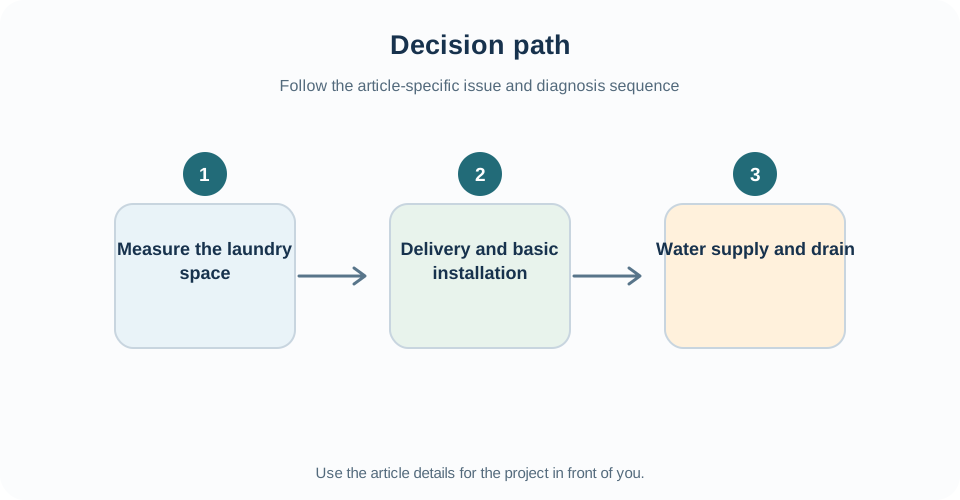
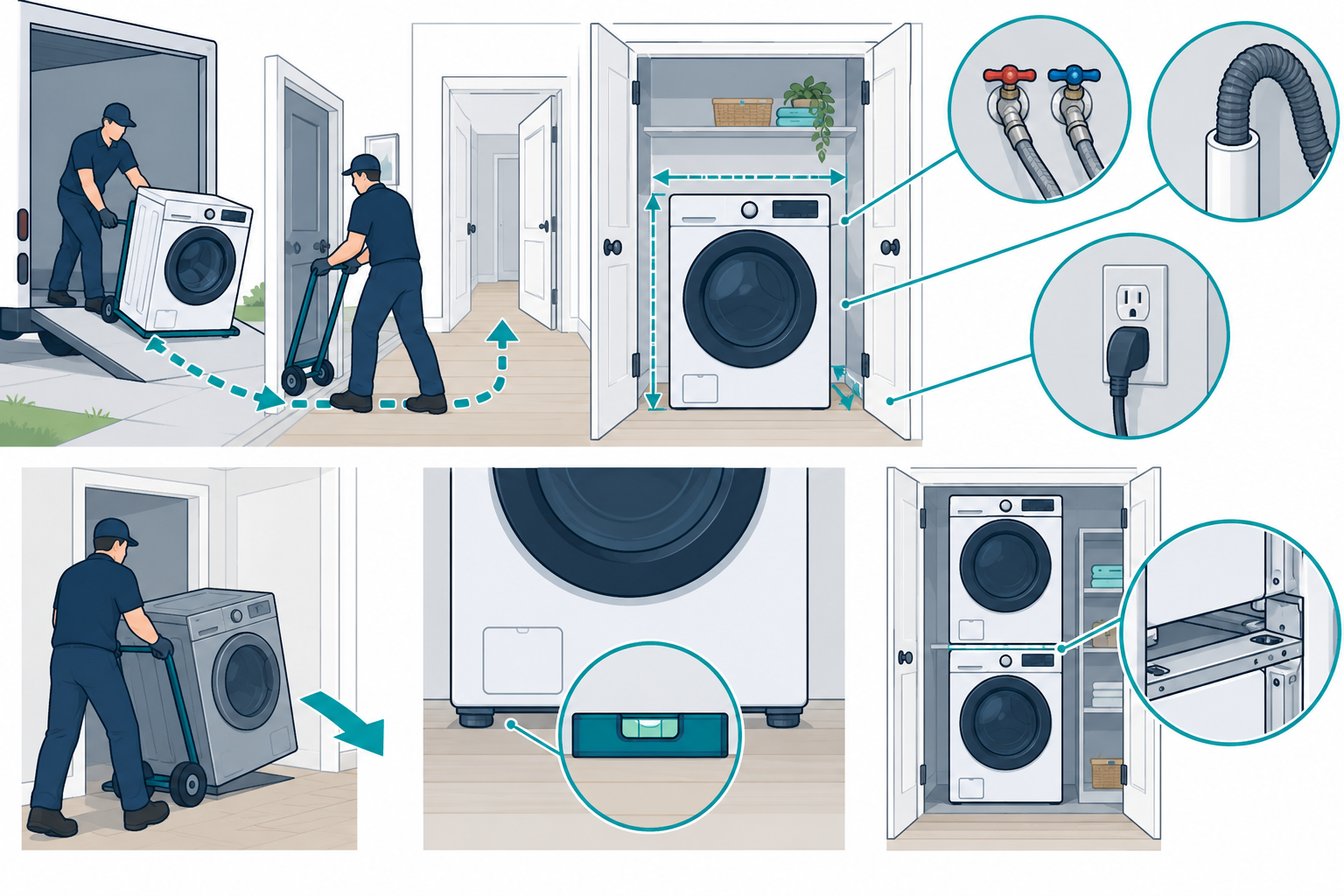
Record width, height, depth, door swing, lid clearance, closet depth, floor condition, and the route to the location. A front-load washer may need door clearance and a stacking arrangement; a top-load washer needs space above the lid. A replacement that fits the product width may still interfere with the wall, door, dryer, or service access.
Check whether the washer sits on a platform, in a closet, under a counter, or above another appliance. A new floor finish can reduce the height available for removal. Ask for an exact model fit check before ordering.
Delivery and basic installation
Retail delivery may be curbside or inside. Installation may include disconnecting the old washer, connecting existing compatible hoses, leveling, testing, and packaging removal. Ask whether hoses, a drain pan, stacking kit, floor protection, and haul-away are included.
“Installation included” does not guarantee new shutoffs, drain work, wall repair, an appliance platform, or stacking compatibility. The provider should list exclusions and explain what happens if the existing connections are corroded or inaccessible.
As one U.S. retailer example checked October 2026, Best Buy lists washer installation at USD $24.99 for an existing compatible water and electrical hookup. The listing says the power cord and fill hoses are sold separately, haul-away costs extra, and permits or site corrections are outside the basic service. It does not provide a complete installed total for a particular home; confirm current eligibility, scope, and local price before budgeting.
Water supply and drain
Inspect the supply valves, hoses, connections, standpipe, drain, and surrounding floor. A replacement can expose a leaking valve or a drain arrangement that needs correction. New supply piping or drain work belongs with plumbing and wastewater, even though it is triggered by the washer.
Do not rely on a generic washer diagram for a model-specific connection. The selected manufacturer’s instructions control hose, drain, clearance, and installation requirements. A qualified installer should stop when the connection is unsafe or outside its scope.
Electrical connection
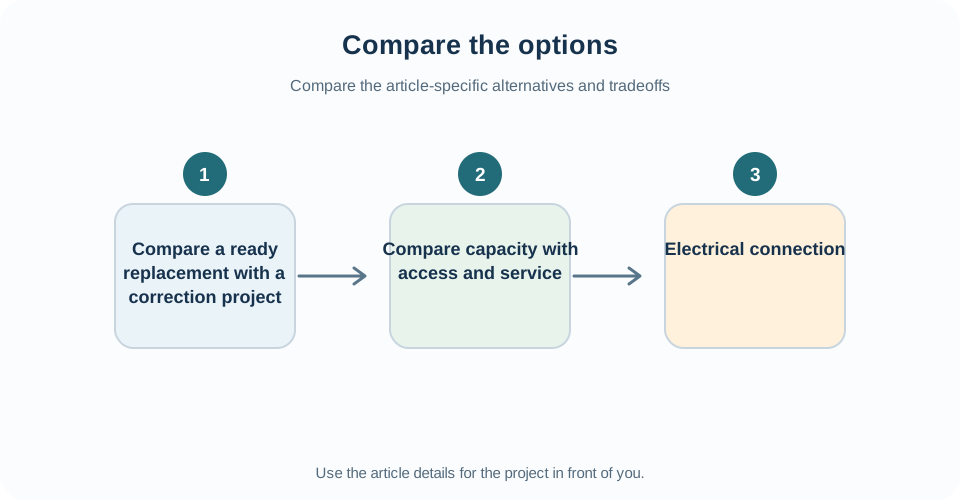
An existing compatible connection may support a straightforward replacement. A damaged outlet, wiring correction, missing circuit, or broader service project is separate electrical work. Do not generalize a cord, receptacle, or circuit requirement from another model.
Leveling and floor condition
An unlevel floor can cause vibration, noise, walking, or poor operation. A platform, sagging floor, water damage, or restricted access can increase installation cost. Ask whether leveling is included and who owns floor or subfloor repairs.
If the old washer leaked, inspect the floor and wall before installing the new unit. Restoration and mold work are not automatically part of appliance installation.
Stacking and space-saving installations
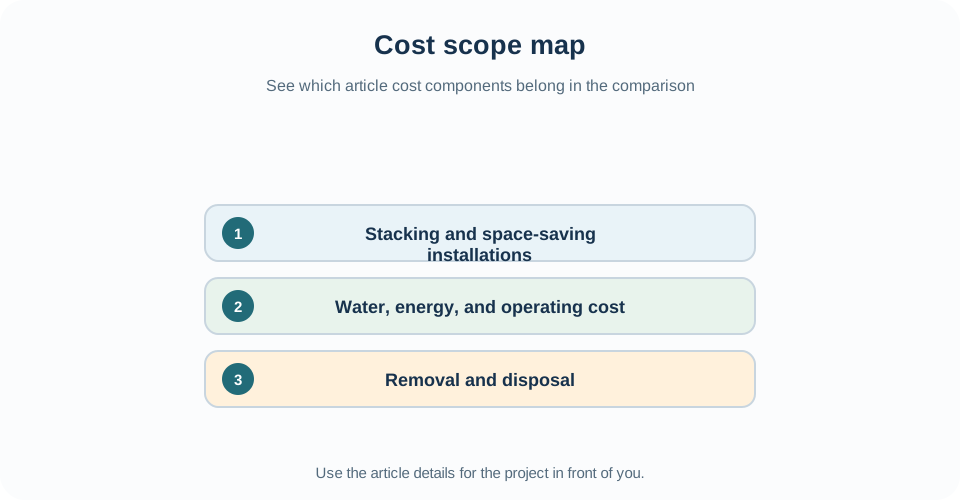
Stacking requires model- or brand-specific compatibility and usually a proper kit. Similar dimensions are not enough. Confirm the washer and dryer models, kit, wall or closet stability, service access, and installation sequence.
An all-in-one washer-dryer may avoid a separate dryer footprint but has different cycle, capacity, drainage, and replacement economics. Compare the complete household need, not just the floor area.
Water, energy, and operating cost
ENERGY STAR provides washer metrics such as IMEF and IWF, while the Canadian EnerGuide label provides annual energy use for applicable appliances. Use exact model data and compare similar capacity and configuration. Water heating, sewer charges, detergent, load frequency, and dryer interaction all affect the total.
Removal and disposal
Ask whether the old washer is disconnected and hauled away. A heavy basement unit, narrow stair, or damaged appliance may require extra handling. Washers do not have the same refrigerant issue as refrigerators, but local disposal and recycling programs still vary.
U.S. and Canadian prices
Product prices, taxes, delivery, labor, plumbing practice, service packages, and availability vary. Canadian budgets need Canadian supplier and installer quotes. Do not convert U.S. figures into Canadian dollars.
Decide whether the room is ready
Before delivery, resolve corroded shutoffs, damaged hoses, drain backup, floor weakness, stacking, tight access, and electrical questions. The exact model manual controls its connection and clearances. If a correction is needed, price and schedule it separately so the delivery crew is not asked to improvise at the doorway.
Price the installation sequence
Before ordering, verify the model, opening, delivery route, water valves, hoses, drain, electrical connection, floor, and service access. At delivery, the crew may need to disconnect the old machine, move it through a stair or closet, protect the floor, install a compatible hose or stacking kit, level the new unit, test it, and haul away the old one. Ask which of these steps is included and what stops the job.
An inaccessible or corroded shutoff, a drain that backs up, a damaged floor, or a new stacking arrangement is a separate correction. The exact model instructions control the connection; a similar washer’s diagram does not. Keep plumbing, electrical, floor, and restoration work visible as separate scopes.
Match capacity with the household and room
A larger washer can reduce the number of loads but may cost more to buy, fit poorly, or encourage small inefficient loads. A compact model may fit a closet but require more cycles. Front-load and top-load choices affect door or lid clearance, stacking, platform height, accessibility, and future service. Compare usable capacity and the household’s actual load pattern, not only the advertised drum size.
Verify the first-cycle handoff
After installation, check that the washer is level, the door or lid closes, the supply connections remain dry, the drain functions, the machine does not move abnormally, and the surrounding floor shows no new damage. Ask who handles a callback if a leak appears after the first full cycle. For operating cost, use exact model data, local rates, and realistic usage; ENERGY STAR metrics and Canadian label data support comparison but do not predict every household bill.
Compare a ready replacement with a correction project
The ready case has a measured opening, sound floor, accessible water valves, a functioning drain, a compatible electrical connection, a clear delivery route, and service access. The correction case may need a shutoff, drain, floor, platform, cabinet, stacking, electrical, or restoration scope. Ask the installer to state which conditions are included and what causes the crew to stop.
Plan delivery, testing, and future access
The quote should say who disconnects and removes the old washer, protects floors, supplies hoses or a kit, levels the unit, runs the first test, hauls away the old machine, and handles a callback. Confirm that the door or lid, supply, drain, floor, and service panel remain accessible. A washer that completes one test but moves, leaks, or cannot be serviced is not a finished installation.
Compare capacity with access and service
A larger washer can reduce loads but may increase depth, door clearance, weight, delivery difficulty, and service risk. A compact model may fit a closet but require more cycles. Use actual household loads and check the measured room, route, floor, valves, drain, electrical connection, stacking, and future access before treating capacity as a saving.
Keep the first load in the project plan
The first full cycle should confirm level, movement, supply connections, drain behavior, door or lid operation, and the absence of new floor or cabinet damage. Ask who returns if a leak or vibration appears after the first load and whether the warranty begins at delivery or commissioning. Include a temporary laundry plan if the test or callback delays normal use.
Preserve a serviceable laundry room
Ask where the washer can be pulled out, how the shutoffs and drain will be reached, and whether a stack or platform can be safely separated for future work. Record the model, kit, connections, test result, and callback terms. A replacement that fits today but blocks the next service visit has an avoidable ownership cost.
Keep the ownership record
Save the model, manual, connections, stacking kit, installation test, warranty, and disposal information. If the washer later leaks or vibrates, that record helps separate an appliance issue from the room’s valves, drain, floor, or access. It also makes the next replacement easier to price.
Close the project with a dry, accessible handoff
The final record should show the measured space, model, connections, stacking or platform, first-cycle result, floor condition, warranty, and callback contact. This turns the delivery event into a serviceable installation and gives the household evidence if a leak, vibration, or drain problem appears later.
Quote checklist
Separate the machine, delivery, inside carry, disconnection, hoses, valves, drain, leveling, stacking, electrical, floor, removal, disposal, testing, tax, and warranty. The right washer replacement price begins with a measured space and known connections, then adds the model’s actual ownership cost.