
Cold climates change the project because design heating load, low-temperature performance, backup heat, winter electrical demand, enclosure condition, and construction lead time interact. There is no single “cold-climate premium.” The cost comes from the specific load, equipment, service, backup, and property conditions that the design must address.
Start with the building load
An assessment should identify insulation, air leakage, windows, comfort, ventilation, distribution, and existing heating performance. The goal is not to force an envelope project before all equipment. It is to understand the load used to select the heat pump and determine whether targeted enclosure work changes capacity, comfort, or operating cost.
The proposed system must be sized and selected for the actual climate and house. NRCan advises skilled design, installation, and servicing and warns that improper sizing or installation can undermine performance. A model or label is not proof that the system meets this home’s design load.
Backup heat affects both cost and capacity
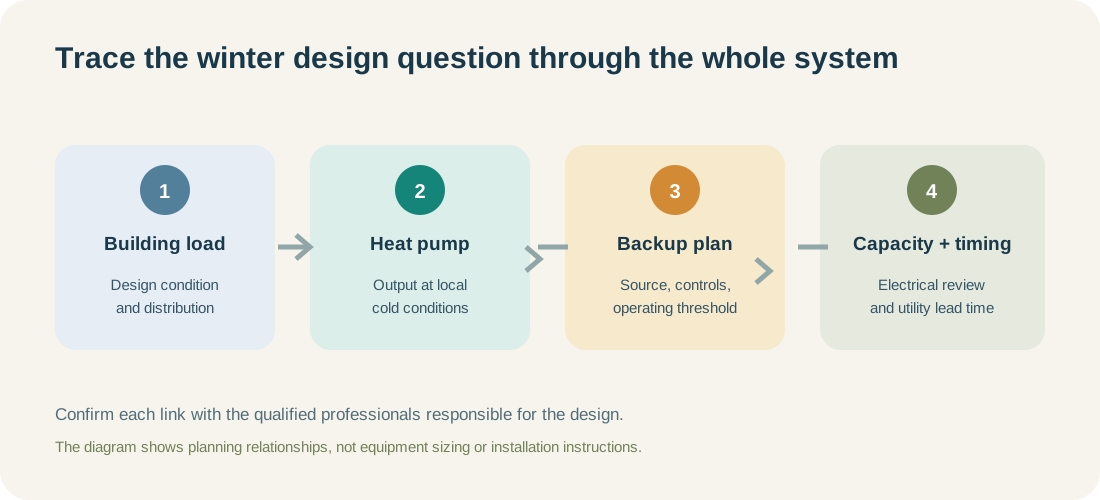
Backup may be electric resistance, retained combustion equipment, or another locally appropriate strategy. It can improve cold-weather resilience but increase peak electrical demand and operating cost. Ask when backup operates, how it is controlled, what capacity it assumes, and how the home is served during a prolonged cold event. BC Hydro’s contractor guidance illustrates the scale of the issue: a 5-kW resistance-heater example draws just over 20 amps at 240 volts and is paired there with a 30-amp breaker, while a 10-kW example is paired with a 50-amp breaker. These are source-specific illustrations, not instructions for sizing or installing equipment in another home.
Do not accept “the heat pump works to a low temperature” as a complete answer. The relevant questions are output at the property’s design conditions, distribution, controls, backup, and service capacity.
Electrical planning
Assess heating, backup, water heating, cooking, drying, and EV charging together. A 100-amp or 200-amp label is not a whole-home answer. A professional load calculation may show adequate capacity, a need for managed loads, or a service and utility project. Winter coincident demand can be more important than a mild-season snapshot.
Cost scenarios
- Moderate cold-climate plan: suitable equipment, accessible installation, adequate capacity, limited backup, and targeted building work.
- Coordinated plan: enclosure, distribution, electrical enabling work, and heat-pump installation are timed together.
- Infrastructure-heavy plan: service or utility upgrade, extensive access work, resistance backup, fuel retirement, or difficult property conditions.
Project lead time is part of cost. NRCan notes that electrical upgrades and other renovations may take as much as a year in some Canadian homeowner situations. Start utility and contractor coordination before an emergency failure.
Rates, outages, and related systems
Model local winter electricity rates, backup use, and the fuel being displaced. Outage resilience and batteries or generators belong to the solar, storage, and backup category, but the cold-climate plan should identify the relationship: what heat, controls, pumps, and communications need power during an outage, and what the backup system is actually designed to serve.
Sequence the cold-weather risk
Start capacity and equipment planning well before the heating season. If the utility response is uncertain, preserve a safe temporary or dual-fuel option rather than removing the only reliable heat source before the replacement is ready. If enclosure work is planned, state whether equipment is sized for the current or expected post-work load and what happens if the work is delayed.
What a complete proposal shows
Ask for design-temperature and load assumptions, low-temperature capacity, backup source and controls, distribution, electrical demand, utility work, enclosure dependencies, commissioning, and service access. Request a difficult-case allowance for access or utility delay, not an unexplained cold-climate premium. A credible proposal makes the winter failure mode and its cost visible before signing.
Low, expected, and difficult projects
A low case may have a well-matched heat pump, accessible distribution, adequate service, and limited backup. An expected case may add targeted enclosure work, controls, or a capacity adjustment. A difficult case may include service or utility work, resistance backup, difficult access, fuel retirement, and temporary heat. Ask the contractor to identify which condition places the property in each case.
The cost of being unprepared
Cold-weather timing can create temporary heat, expedited labor, equipment storage, and redesign costs. Starting a capacity and equipment review before failure can preserve choices even if final installation is delayed. If a utility upgrade or renovation may take many months, make that lead time part of the sequence rather than discovering it after the old system is removed.
Contractor questions
Ask for the design-load basis, low-temperature performance, backup sequence, capacity calculation, service and utility assumptions, enclosure dependencies, commissioning, and contingency. Require the quote to identify what happens if envelope work is delayed or the utility cannot deliver the requested service.
The right cold-climate budget resolves the winter design question, capacity path, backup behavior, project timing, and rate sensitivity. It does not rely on a generic surcharge or a single equipment specification.
Design the cold-weather operating plan before pricing equipment
A cold-climate proposal should show the home’s design heating load, the local outdoor design condition used, the equipment’s output at that condition, and the plan for any remaining load. A nominal capacity at a mild temperature does not explain what happens during a cold snap. Ask how the selected equipment behaves during defrost, what indoor temperature it is expected to maintain, and which source supplies heat if capacity or power is unavailable.
If resistance backup is proposed, ask when it can operate, whether it is staged, and how the electrical load review accounts for it. If a fuel furnace or boiler is retained, ask what control changes over to backup and whether service charges and maintenance continue. A managed-load plan may shift EV charging or water heating to preserve heating capacity, but the household should understand the priority and comfort consequences before accepting it. The model should include the coldest credible operating case, not only an annual-average energy estimate.
Building work and equipment sizing should be coordinated. Insulation or air-sealing may reduce the design load, but an assessment of annual energy savings is not the same as a heating-load calculation. Identify any planned enclosure work before finalizing equipment capacity. Confirm ventilation, moisture, distribution, and service-access needs with the responsible professionals. If the house has uneven rooms, ask whether the proposal addresses those conditions or only replaces the central equipment.
Price the cold-climate case in layers: equipment selected for low-temperature output; distribution or duct changes; electrical capacity and backup; controls; condensate and snow or ice management; exterior placement; and the old system’s disposition. Ask bidders to separate required cold-weather design from optional comfort features. Where the quote relies on backup fuel, show both the expected operating cost and the fixed cost of retaining that service.
Before the first winter, commissioning should record control settings, backup threshold, airflow or distribution checks, and homeowner instructions. That record makes it possible to compare actual behavior with the design and adjust settings safely. It also avoids judging a system by one unusually mild or severe season.
Review performance after the first winter
Record thermostat settings, outdoor temperatures during unusual operation, backup usage, comfort complaints, defrost behavior, and energy bills through the first heating season. Compare actual operation with the contractor’s design assumptions. If the system uses more backup than expected, have the installer review controls, equipment performance, and the building condition rather than simply changing settings without guidance.
Keep the selected model numbers, commissioning data, control thresholds, and service contacts with the house records. A future technician needs to know the intended sequence and what backup is available. If the home is sold, this information helps the next owner avoid disabling a control or assuming resistance heat is the primary heating mode.
One season cannot prove long-term bill savings, particularly if weather or occupancy differs from the model. It can reveal whether the system is meeting its comfort and capacity goals and what should be checked before warranty or seasonal service windows pass.
Keep assumptions available for future service
Cold-climate equipment choices and backup settings may be revisited as the home changes. If insulation, windows, additions, or occupancy change, ask whether the original heating load and controls remain appropriate. If a future EV or water heater is added, revisit electrical demand and any managed-load priorities. Preserve the data needed for that review rather than retaining only the final invoice.
The homeowner should know which settings are intended to be user-adjustable and which require a technician. Keep the instructions with the equipment records so a later service call does not accidentally disable a backup strategy or create a new peak load. A winter operating log can capture dates, outdoor conditions, backup operation, and comfort issues without asking the homeowner to adjust electrical or refrigerant equipment. Share the log with the installer during the next service visit. The professional can compare observed operation with the design assumptions and recommend any adjustment.
Keep the scope of that review clear. Monitoring performance does not replace a load calculation, warranty service, or a safety inspection, but it can identify a question early.