
Glass-only replacement can be a sensible scope when the frame, sash, drainage path, and surrounding finish remain serviceable. It is not the right answer for every broken or foggy window. The quote should identify whether it replaces a single pane, a sealed insulating-glass unit (IGU), the sash that holds the glass, or the complete window.
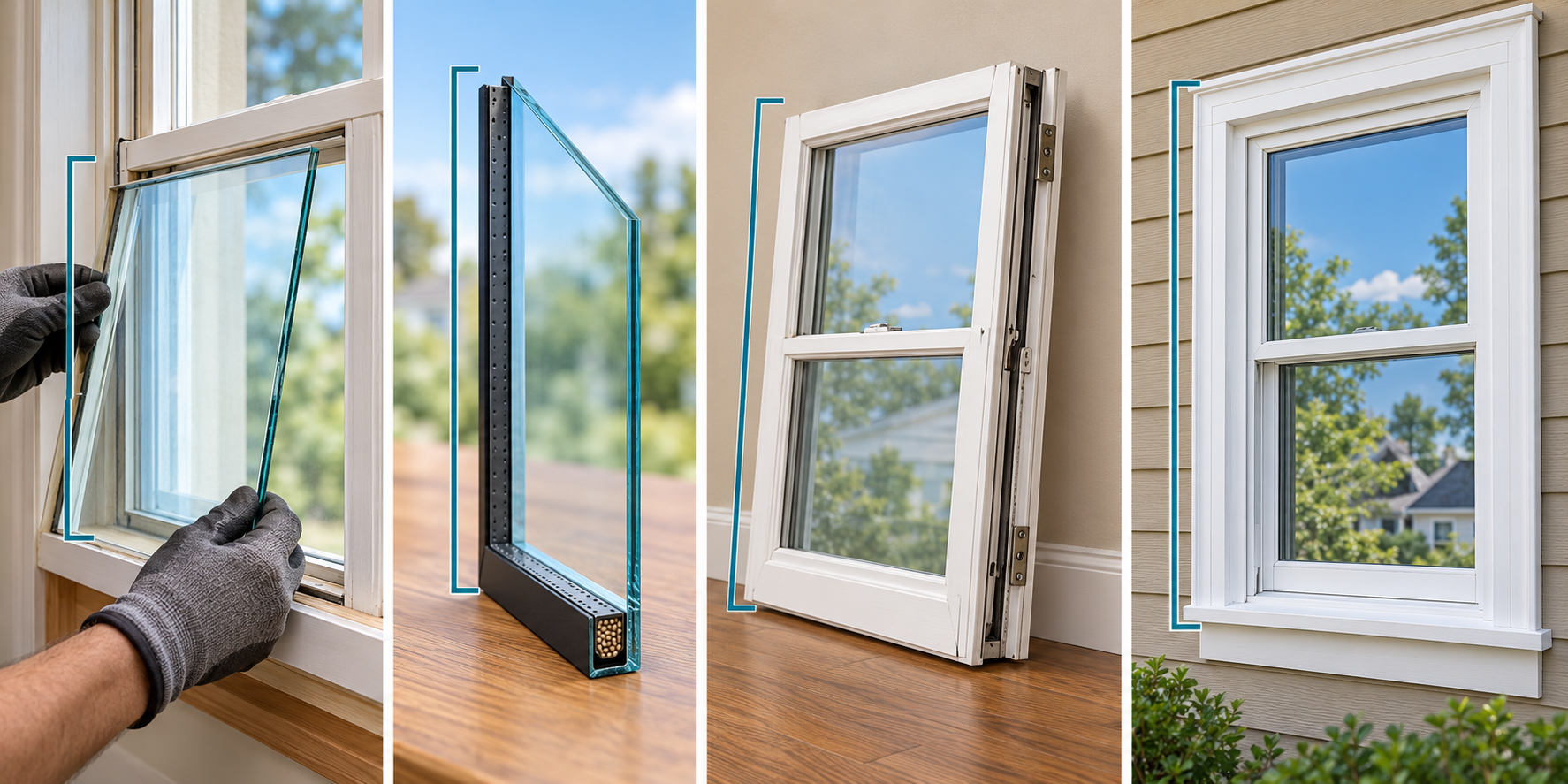
Pane, IGU, sash, or window
A single pane is a separate piece of glass. An IGU is a factory-sealed assembly of two or more panes with a spacer and sealed cavity. A window with failed glass may need a replacement IGU that matches the opening, thickness, coatings, gas-fill assumptions, edge details, and sash. Some products permit sash replacement instead; others have limited or discontinued parts support.
Do not assume that removing moisture from between panes restores the original certified thermal or acoustic performance. Ask what the proposed repair replaces, what performance is documented, and whether the manufacturer’s warranty or installation requirements affect the choice.
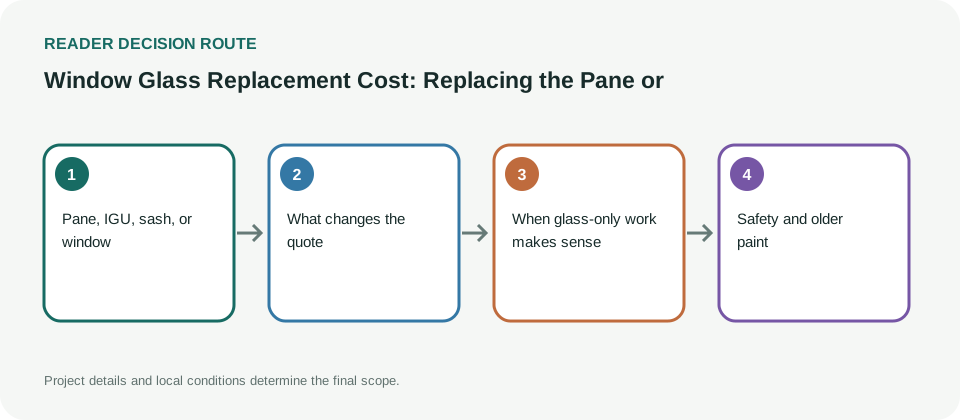
What changes the quote
- Size and shape: Large, unusually shaped, or difficult-to-handle units need different fabrication and access.
- Glazing specification: Low-e coatings, tinted glass, laminated glass, insulated cavities, and other features affect availability and price.
- Safety or impact requirements: The required glass can depend on location, product, and local rules. Do not choose a substitute by appearance alone.
- Access: Upper floors, fixed panes, high ceilings, interior protection, and weather exposure add setup and labor.
- Frame and sash condition: A failing frame, distorted sash, or damaged glazing pocket can turn glass replacement into a larger repair.
- Older-home conditions: Painted sills, putty, trim, or adjacent materials may require hazard planning before disturbance.
Angi’s U.S. specialist guidance describes a broad market range and emphasizes size, glazing type, safety glass, and access as cost drivers. It is a planning signal, not a universal U.S. price. Comparable Canadian pricing needs independent local evidence.
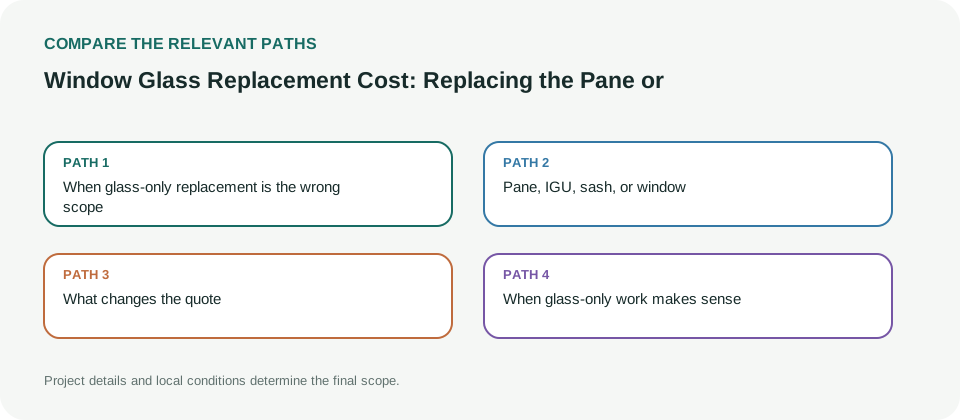
When glass-only work makes sense
Glass-only work is more plausible when the frame is square and weather-tight, the sash and hardware operate, the drainage and flashing are sound, and the replacement unit is available. It can preserve an otherwise serviceable historic or custom frame, but the product and preservation decision should be made together when the home has heritage constraints.
Complete replacement deserves comparison when the frame is rotten, the opening leaks, the sash is distorted, matching glass is unavailable, several components have failed, or the new glass would not address the homeowner’s actual problem. A failed IGU does not prove the entire frame has failed; a cracked pane does not prove that the rest of the window is worth keeping.
Safety and older paint
Window work can disturb painted surfaces. EPA guidance says paid window replacement in pre-1978 U.S. housing is generally covered by the federal RRP rule when paint is disturbed, and window replacement is covered regardless of the small-area threshold. Canadian homeowners should ask about lead paint and other older materials before renovation. Requirements and qualified-person roles vary by jurisdiction and project.
How the work is usually scoped
The first measurement should identify the assembly, not just the visible rectangle. A glazier or window contractor may need to distinguish a loose single pane, a sealed insulating-glass unit, a sash with factory-set glazing, or a complete replacement window. Record the opening size, thickness, number of panes, coatings, tint, spacer, edge condition, and whether the glass is fixed or in an operable sash. Exact requirements vary by product and fabrication method.
A replacement IGU can preserve the frame while changing the weight, thickness, or glazing characteristics. That can affect sash hardware, clearances, appearance, and compatibility. Ask whether the proposed unit matches the sash and whether the installer will verify the fit before fabrication. A contractor who cannot identify the existing product should explain how measurements, tolerances, and the risk of a non-fitting order will be handled.
Simple, typical, and complex glass projects
A simple project may be an accessible, standard pane in a sound sash with no surrounding finish damage. A typical project may require an IGU, new glazing materials, removal of trim or stops, interior protection, and a return visit after fabrication. A complex project may involve a large or shaped pane, a high opening, laminated or impact-related specifications, a failed frame, water damage, or a sash that is no longer supported.
The glass itself is only one cost component. Add measurement, fabrication, delivery, access, removal, glazing, sealants, disposal, finish repair, and any temporary protection. A broad specialist U.S. market signal may help establish scale, but it is not a universal price. Canadian pricing should come from Canadian market evidence, not exchange-rate conversion.
Safety and performance boundaries
Safety glazing is a high-consequence subject. Requirements can depend on location, size, proximity to floors or doors, building type, and the locally adopted rules. Do not select tempered or laminated glass solely because it resembles the old pane, and do not infer a code requirement from a general cost article. Ask the responsible professional or authority which specification applies to the actual opening.
If energy, comfort, or noise is part of the reason for replacement, compare the complete product and installation. U-factor, solar heat gain coefficient, air leakage, visible transmittance, condensation resistance, and acoustic ratings describe different outcomes. A glass-only repair may preserve an otherwise good frame, but it cannot correct a leaking wall, distorted sash, missing perimeter air seal, or failing drainage detail.
For failed between-pane seals, ask whether the proposal is a replacement IGU, sash, defogging treatment, or complete window. Moisture removal alone should not be described as restoring the original certified performance unless the provider can support that claim. Warranty terms can also differ between a factory unit and a field-glazed repair.
Specify the glass before comparing prices
Two glass quotes are comparable only when they describe the same assembly. Ask whether the estimate is for one pane, a sealed insulated-glass unit, laminated or tempered safety glazing, or a complete sash. Record approximate width and height, thickness or construction where known, tint or coating, spacer appearance, grid pattern, and any special privacy or decorative feature. A photograph helps identify the opening but does not establish the glass specification or compatibility.
The installer should confirm whether the existing sash can accept the proposed unit and whether the replacement changes weight, edge support, appearance, or performance. For an insulated unit, ask which surfaces carry coatings, whether the spacer and seal are part of the supplied assembly, and how the new unit will be installed into the sash. Do not assume that any locally available pane is interchangeable with a factory-built insulated unit.
A useful proposal separates the fabricated glass or IGU from measurement, removal, glazing labor, travel, access equipment, protection, disposal, and finish repair. It should also state whether the sash remains in place or is removed for shop work, how the opening is secured while the unit is unavailable, and what happens if the sash or frame is damaged during disassembly. Lead time can affect whether the opening is temporarily boarded or the room remains exposed, so ask for a realistic sequence rather than only a delivery date.
The performance target should fit the existing product and the reason for replacement. A matching appearance may matter in a visible façade; safety glazing may be relevant in a hazardous location; an energy upgrade may require confirming the complete window rather than the glass alone. If the project is driven by between-pane fogging, the failed seal and the sash condition should be distinguished before ordering. A written specification prevents a low bid for a basic clear pane from being treated as an equivalent alternative to a custom sealed assembly.
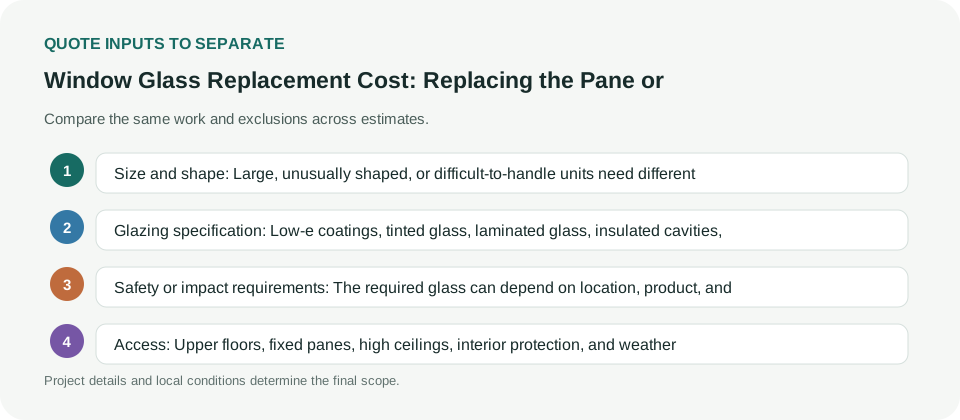
When glass-only replacement is the wrong scope
Broaden the quote when the frame is soft, the glazing pocket is damaged, the sash will not operate, water enters at the opening, or the surrounding wall has concealed damage. If the existing frame has poor geometry or the opening no longer meets the homeowner’s goal, an insert or full-frame replacement may have a better total outcome. That does not mean every cracked pane requires a new window; it means the decision should follow the condition.
Before work in older housing, ask whether removing stops, putty, paint, or adjacent finish will disturb lead or asbestos-suspect material. EPA’s U.S. RRP guidance covers paid window replacement that disturbs paint in pre-1978 housing; Health Canada warns that older materials can create hazards when disturbed. Confirm current local requirements and qualified work rather than relying on an age label alone.
An itemized proposal should state the glass specification, the component being removed, frame inspection, access, protection, finish restoration, disposal, warranty, and what happens if the measurement reveals a different assembly. That makes a glass-only decision reviewable and prevents a replacement pane from becoming an unfinished or incompatible repair.
Ask for the glass or IGU dimensions and specification, whether the sash is removed, interior and exterior protection, sealant and glazing materials, finish repair, disposal, warranty, and any safety or code assumptions. Ask the installer to state whether the frame and opening were inspected and what is excluded if damage is found. The lowest glass price is not the lowest completed project if the window cannot be made weather-tight or operable afterward.