
The equipment price is only one part of retiring a combustion system. The old fuel path may include piping, a tank, a meter, a vent, a chimney, controls, disposal, and finishes that were built around the equipment. Some items can remain; others may need professional disconnection, removal, abandonment, inspection, or restoration. Requirements depend on the fuel, property, supplier, utility, and jurisdiction.
Gas piping and service
Replacing a gas appliance does not automatically answer what happens to the branch line, shutoff, meter, or utility service. A licensed trade and the utility should define what is disconnected, capped, removed, or left in place. Ask whether the quote includes access, patching, inspection, and the utility’s own work. Do not infer a legal or safe method from a generic project description.
Oil and propane storage
Oil and propane add tank questions. Ownership, rental terms, remaining fuel, access, pickup, removal, abandonment, soil concerns, and documentation can all affect cost. A buried tank or inaccessible tank can make the difficult case very different from an indoor tank that is easy to handle. Rules differ across jurisdictions; obtain the supplier and local authority’s requirements in writing.
Vents and chimneys
Retired equipment may leave a vent or chimney that is no longer used. The correct treatment depends on its construction, other connected appliances, moisture behavior, masonry condition, and local requirements. A chimney may be retained, altered, lined, repaired, or removed, but it should not be treated as abandoned until a qualified professional resolves the full interface. Masonry repair and exterior weathering remain related scopes.
Utility and restoration costs
Possible project lines include meter or service changes, permits and inspections, removal and disposal, temporary protection, framing or floor repairs, drywall, flooring, paint, roofing or masonry patches, and coordination with the new equipment. Restoration is often omitted because it is not part of the equipment installer’s trade. Ask who owns each opening and who makes the finished repair.
Hazardous-material boundaries
Older fuel systems, insulation, coatings, or equipment may create an environmental or hazardous-material question. Do not instruct a homeowner to disturb, cut, drain, or remove suspect material. If a concern arises, pause that portion and use the applicable remediation professional and local requirements. The contingency is a decision-control tool, not permission to perform unverified work.
Quote normalization
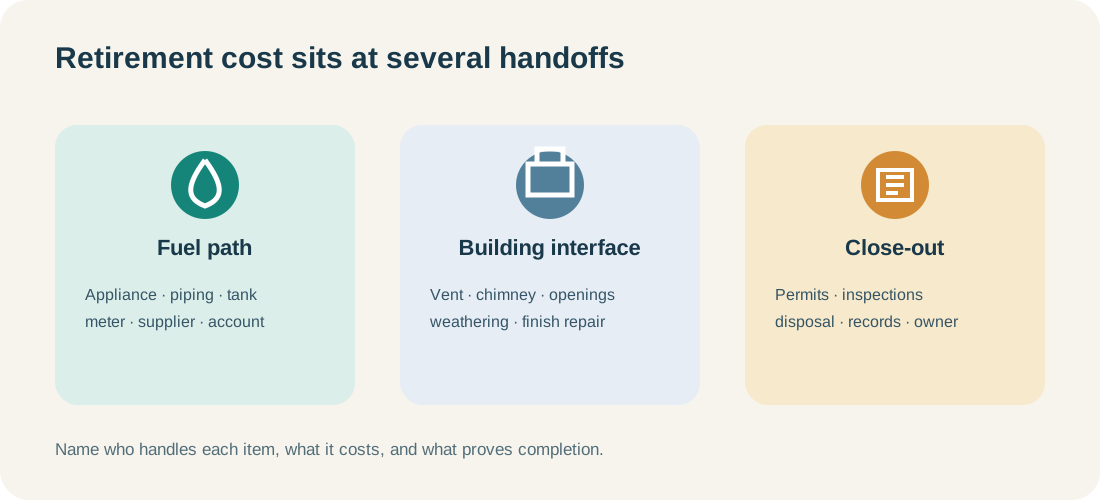
Request a scope table showing each retained item, removed item, responsible party, permit or inspection, disposal method, allowance, unit price, and restoration boundary. Include a low case where retirement is simple, an expected case with ordinary access and patching, and a difficult case with hidden or regulated conditions. Keep optional chimney, room, or finish upgrades separate from work required to make the new system viable.
The cheapest conversion is not the one that leaves an undefined fuel line or tank question for the homeowner. It is the one whose future state, safety responsibility, utility action, unknown-condition threshold, and finished result are all explicit.
What can remain and what cannot be assumed
An unused chimney, line, tank, or vent is not automatically harmless or automatically required to be removed. The answer depends on whether other equipment uses it, its condition, local rules, supplier ownership, and the new system’s requirements. Ask the licensed trade to mark every item as retained, altered, capped, removed, or awaiting authority confirmation.
Model the difficult case
Use a low case for accessible equipment with known retirement instructions, an expected case with ordinary disconnection and patching, and a difficult case with concealed routing, buried storage, masonry, inspection, or suspect materials. Give each uncertain item a quantity, allowance, unit price, and approval threshold. Keep cosmetic remodeling separate from restoration required to close the old work.
Price the handoffs
Use a scope table with one row for each old component and columns for retained or removed condition, responsible trade, permit or inspection, disposal, allowance, and restoration. This makes a gas line, tank, chimney, or meter change visible even when the new equipment installer does not own it.
Responsibility checklist
Before signing, name who contacts the utility or supplier, who obtains permits, who performs fuel work, who disposes of equipment, who tests the new installation, and who restores finishes. A whole-home contractor may coordinate these tasks without owning every trade. Confirm the handoffs in writing.
The most common quote gaps
Look for exclusions around access, temporary protection, old equipment disposal, remaining fuel, chimney caps, meter work, patching, and inspection corrections. A proposal can be complete for the new appliance while incomplete for the room and property left behind. Require homeowner approval before concealed conditions exceed the allowance.
Do not make the contingency a substitute for a scope. The contractor should identify the event that activates it, the unit or method used to price it, and whether another authority or specialist must first inspect the condition.
Add schedule and restoration to the retirement budget
Fuel retirement often has multiple owners and a different schedule from the replacement equipment. For gas, distinguish the appliance-side contractor work, customer-owned piping, utility meter, active account, and utility-owned service line. For oil or propane, identify tank ownership, residual fuel, access, removal or decommissioning rules, and disposal responsibility. For every fuel, confirm whether another end use remains before ending service.
FortisBC publishes a local British Columbia example for physical natural-gas service-line removal: typically two to six weeks after the request, longer when planning is complex, with no fee for that line-removal service. This does not establish a general cancellation process or price. Account closure, meter handling, indoor piping, restoration, and other utilities’ policies are separate questions. If line work might affect landscaping, submit the request early and coordinate the site restoration with the main project.
Create a responsibility table before signing. Give each task one named owner, an expected date, and a document showing completion. Tasks might include appliance disconnection, piping cap, tank pickup, fuel credit, vent closure, utility request, access permission, inspection, electrical commissioning, patching, and account confirmation. Mark which tasks require a licensed trade or authority. If the contractor excludes utility work, decide who will contact the utility and who will make the site available.
Budget uncertain work as an allowance with a clear trigger: tank condition, test result, concealed pipe route, site access, or utility instruction. Ask how the allowance is approved and whether unused amounts are credited. Keep disposal and restoration evidence with the house records. Photographs before and after work help distinguish abandoned equipment from an active service later.
The cost of delay can matter too. If the new equipment is ready but fuel retirement is not, the household may pay both fixed charges for a period or leave an unused component that still needs maintenance. Make the schedule dependency visible rather than assuming every task completes on installation day.
Close the loop after the last fuel appliance leaves
Do not let the project end with an informal statement that the fuel is “off.” Keep a record of which contractor disconnected each appliance, whether piping remains active or capped, what the utility did to the meter or service line, and which account has closed. For oil or propane, document the tank’s ownership and final condition. For a chimney or vent, note whether it remains in use by another appliance.
Ask the homeowner to receive copies of permits, inspection results, utility requests, invoices, disposal documents, and photographs. If a contractor assigns a task to the utility or tank supplier, the project manager should track the response and confirm completion. An open handoff can create later access and safety questions even when the new electric equipment works correctly.
Include time for final scheduling and repair of disturbed surfaces. A no-fee utility operation does not imply no cost for access, interior piping, landscape repair, drywall, or a contractor’s coordination. The final invoice should distinguish those items.
Do not equate account closure with physical removal
An account can be closed while a meter, line, tank, or capped appliance piping remains. Conversely, a physical line can be removed while a separate billing or final-reading task remains open. Ask the serving utility and fuel supplier which action the homeowner is requesting and what confirmation each will issue.
This distinction affects price, schedule, property access, and restoration. Record the effective account-end date separately from the date physical work is complete. If the project needs a line removed for a remodel, use the utility’s physical-work schedule rather than relying on a call-center estimate for account closure. Keep one completion checklist with the project manager’s sign-off. It should show the active fuel sources left in the home, closed accounts, remaining tanks or capped lines, utility work completed, inspections received, and surfaces still awaiting repair. If an item remains open, name the responsible party and due date.
This record is a practical safeguard against hidden scope becoming a future repair problem. It also helps a buyer or later contractor understand what the retirement project did and did not include.