
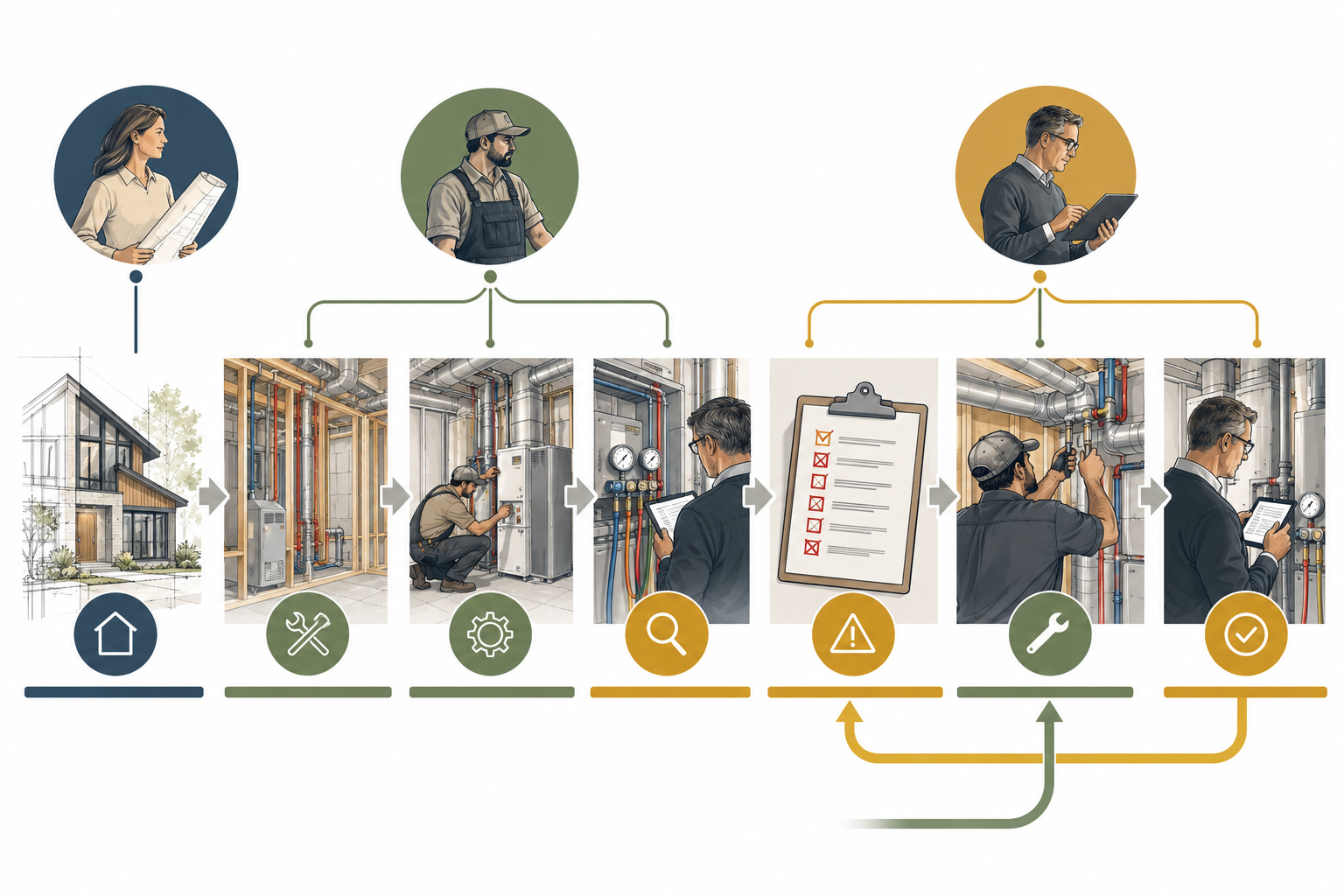
Commissioning is a process of checking whether installed building systems perform as intended by the design, contract, or program. In a house, it may focus on HVAC equipment, controls, ventilation, heat pumps, electrical systems, enclosure performance, or a high-performance certification. It is different from normal contractor startup and from a general visual inspection.
What commissioning may involve
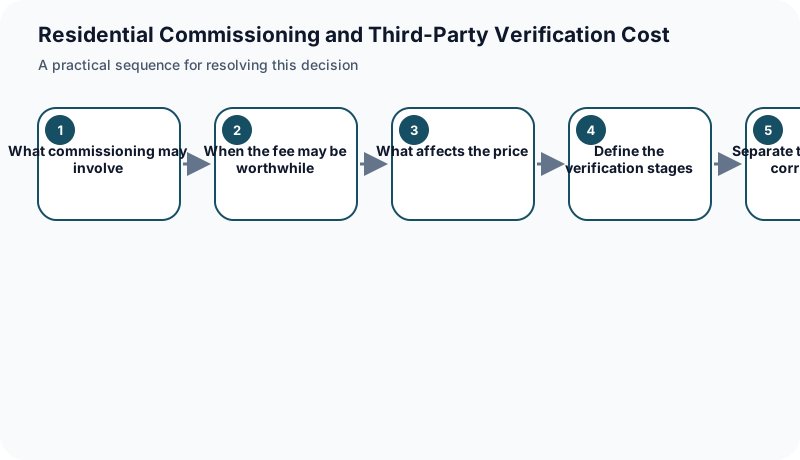
The U.S. Department of Energy describes commissioning as attention to design, installation, operation, and performance. A residential assignment may review design intent, equipment and controls, installation, startup data, airflow or refrigerant-related testing by qualified personnel, ventilation, sequences, documentation, and follow-up of deficiencies. The scope must say what is actually tested.
Some programs require an approved rater or verifier. Other owners purchase commissioning because the project is complex, equipment is interacting, or performance matters enough to justify an independent check. The general market is not standardized, and commercial-building commissioning costs should not be imported into a house without explaining the difference.
When the fee may be worthwhile
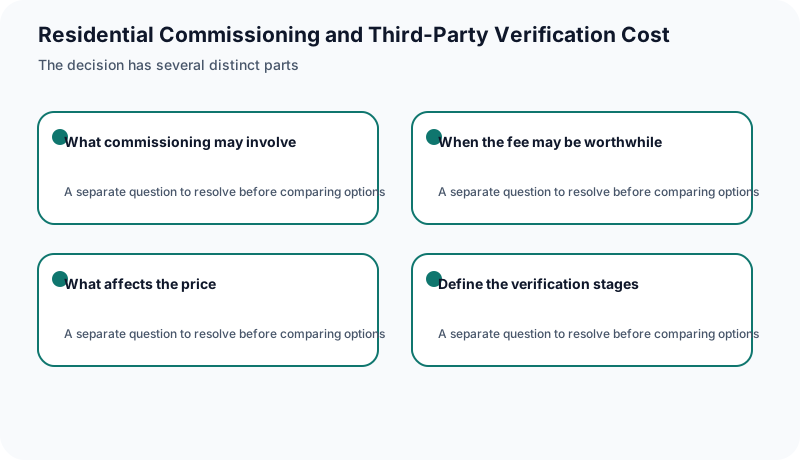
Commissioning is more proportionate when a project has several interacting systems, advanced controls, unusual ventilation, electrification, a tight performance target, a certification requirement, or a high cost of correcting defects after finishes are complete. It may be less useful for a simple like-for-like replacement where the installer and program already specify adequate startup and verification.
Commissioning does not replace design, municipal inspection, a warranty, or the contractor’s obligations. It can identify a deficiency; the contract determines who corrects it and who pays for follow-up.
What affects the price
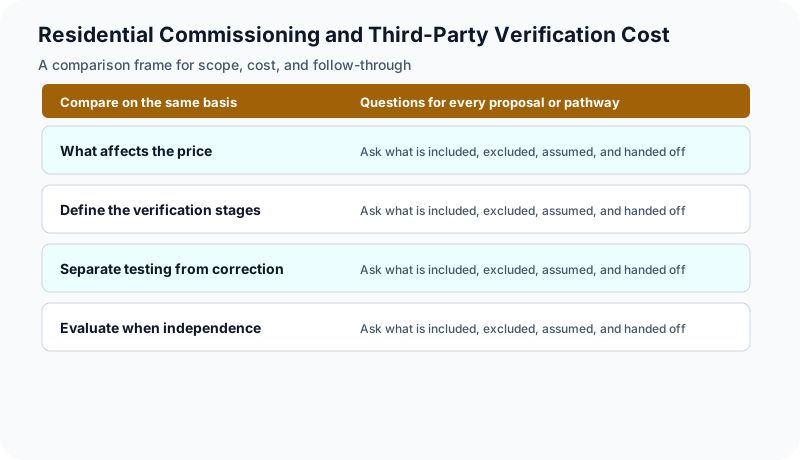
- Number and type of systems.
- Design and documentation quality.
- Testing instruments and field time.
- Number of visits, including pre-functional and functional checks.
- Program credentials, reporting, or certification forms.
- Seasonal or occupied-condition testing.
- Coordination with contractors, designers, and owners.
- Retesting after corrections.
Reliable residential fee ranges are limited. Ask for a fixed scope or a fee by phase, and keep follow-up testing visible. A low “verification” fee may cover only a checklist review, while a true commissioning scope may include field tests and deficiency tracking.
Define the verification stages
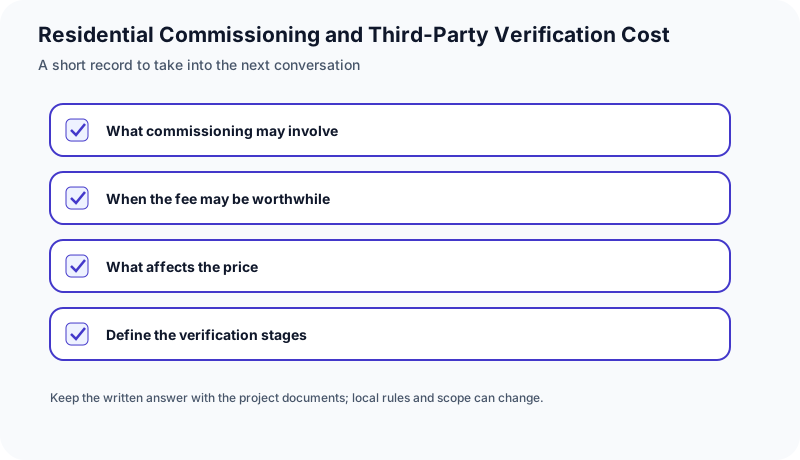
Commissioning can begin with a review of design intent and continue through installation checks, functional testing, deficiency tracking, and follow-up. A proposal that only reviews submittals is not equivalent to one that visits the site and observes equipment operation. Ask which systems, documents, tests, operating modes, and acceptance criteria are included at each stage.
The provider may need access to drawings, equipment schedules, startup sheets, controls sequences, test results, and contractor contacts. If those records are missing, commissioning can identify the gap but may not be able to verify performance. Ask the provider to list required owner and contractor actions, including access to equipment and completion of prerequisite installation work.
Separate testing from correction
A commissioning report can document a deficiency; it does not necessarily include the contractor’s correction or a repeat visit. Ask who is responsible for resolving findings, who approves a proposed fix, and whether retesting is included. If a second visit is billed separately, ask for the expected hourly or fixed fee and travel assumptions.
For example, a provider may verify that controls respond to a defined sequence but not redesign the controls when they do not. An HVAC contractor may perform startup while an independent verifier checks selected results. A municipal inspector may check code-required items without evaluating every design-performance target. Clarify the role of each participant so the owner does not pay twice for the same check or assume one check covers another.
Evaluate when independence matters
An independent reviewer can provide a separate record when the design team or installer has an economic interest in the work. Independence does not automatically make every service better; it is useful when the project has an important performance target, complex equipment, several contractors, or a program requirement that needs verification. Ask how the provider is selected, who pays, and whether the provider may also design or install the system being evaluated.
Match the fee to the cost of a missed problem and the ability to correct it later. Testing an accessible piece of equipment during startup may be less involved than returning after finishes are complete or a season has changed. A phased proposal can establish which checks happen before concealment, at startup, and during later operation.
Coordinate the verifier with the installation team
Commissioning works best when the provider knows the design intent before equipment is installed. Ask whether the provider is engaged before construction, whether they review sequences and submittals, and when the first site visit occurs. If the provider is hired only after startup, some checks may be harder or more expensive because records are missing or access is limited.
Identify the contractor contact who will provide startup and testing records. Ask who schedules access, who operates the systems during a functional test, and who will be present if a deficiency is found. The owner should know whether the verifier can recommend a correction or only document an observed result.
Define acceptance and the follow-up budget
The scope should identify the criterion used to call a system acceptable. It may be a project specification, approved sequence, program requirement, or another named document. Ask whether the report lists open items by severity, responsible party, and due date, and whether the provider confirms correction later.
For an owner comparing costs, separate initial commissioning, contractor startup, diagnostic testing, correction work, and retesting. A low initial fee can lead to added follow-up if many deficiencies remain; a more complete phased scope can make those costs visible earlier. Neither approach guarantees a defect-free building.
Consider the value of independence
Ask who selects and pays the provider, whether the provider has a business relationship with the installer, and who owns the report. A third-party role can offer a separate record, but independence alone does not ensure the scope is technically adequate. Confirm that the person’s training and tools fit the actual system.
Schedule testing around construction
Ask which checks must happen before equipment is hidden or ceilings are closed and which can happen during startup or occupancy. The provider may need access to controls, electrical panels, mechanical equipment, or ventilation terminals. Coordinate with the contractor so the required conditions are available during the visit.
If seasonal operation matters, ask whether the scope includes a later visit under different weather or occupancy conditions. A single startup visit may not observe every mode the owner cares about. If follow-up is not included, request a separate estimate and state what evidence will be reviewed.
Read the report as a list of actions
The final report should identify the design criterion, test method, observed result, limitation, deficiency, and responsible follow-up party. Ask whether findings are prioritized and whether a contractor response is included. An owner should be able to distinguish an incomplete record from a failed performance test and from a design concern requiring professional resolution.
Agree how the commissioning provider will handle an unresolved item at closeout. Will it remain listed as open, be retested, or be referred to the designer? Ask who can accept a deviation from the original target and what written approval is required.
Budget commissioning as a complete process
For a useful comparison, list design review, pre-installation checks, startup, functional testing, deficiency tracking, and retesting as separate activities. Ask which are required by a program or contract and which are optional owner services. If a contractor already includes startup, ask what independent check remains and whether its records can be shared with the commissioning provider.
Ask whether travel, seasonal visits, test equipment, report preparation, and coordination meetings are included. The smallest fee may cover only document review, while the project needs field verification. A provider should explain what can be removed from the scope without undermining the decision the owner wants to protect.
Ask the owner, designer, and contractor to agree on who receives the findings and who can close each item. A commissioning fee is easier to compare when responsibilities are explicit.
Keep the commissioning report with equipment manuals, warranties, startup sheets, and final permit records so the owner can use it during operation.
Ask for a report date and confirm whether the provider will discuss findings with the owner and installer before the final report is issued.
Questions for the provider
- Which systems and performance requirements are included?
- Is the work design review, installation verification, functional testing, or all three?
- What data and access are required?
- Who is responsible for correction and retesting?
- Is an independent credential or program approval required?
- Are utility testing, air-leakage tests, balancing, or specialist services separate?
- Will you deliver a report that the owner can use for warranty or program records?
Commissioning can improve confidence in a complex installation, but it cannot promise lower energy bills or discover every possible defect. Match the cost to the performance risk and the value of the decision you are trying to protect.
Set expectations for corrections
Commissioning is most useful when the owner, designer, installer, and commissioning provider agree early on the intended performance and who will correct a failed test. Ask whether the provider will review documents before installation, observe work while it remains visible, test controls under operating conditions, and return after adjustments. A final report may record an unresolved item without obligating a contractor to fix it; that responsibility comes from the construction contract and applicable requirements. Build time for access, seasonal conditions, and retesting into the schedule. Confirm what evidence the owner will receive and retain it with equipment manuals and warranty records.