
Municipal inspections check required stages of permitted work. A reinspection or special inspection may occur when work is not ready, a correction remains, an appointment is missed, or the authority’s schedule treats the visit as additional service. The government fee is only one possible cost: contractor rework, professional responses, access, and delay may be larger.
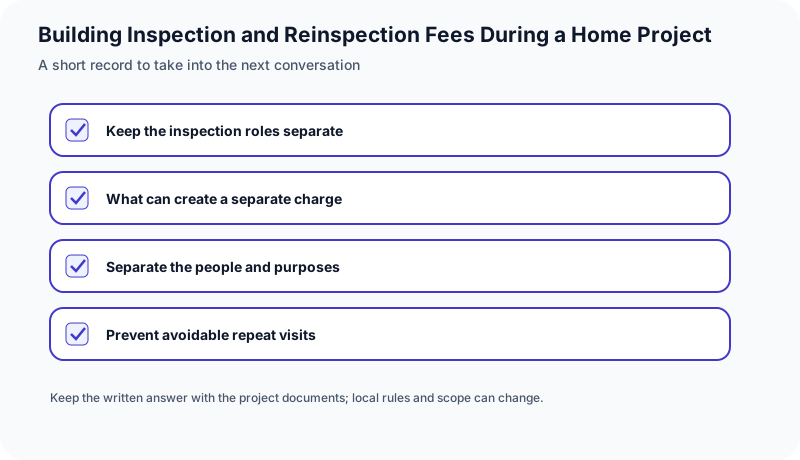
Keep the inspection roles separate
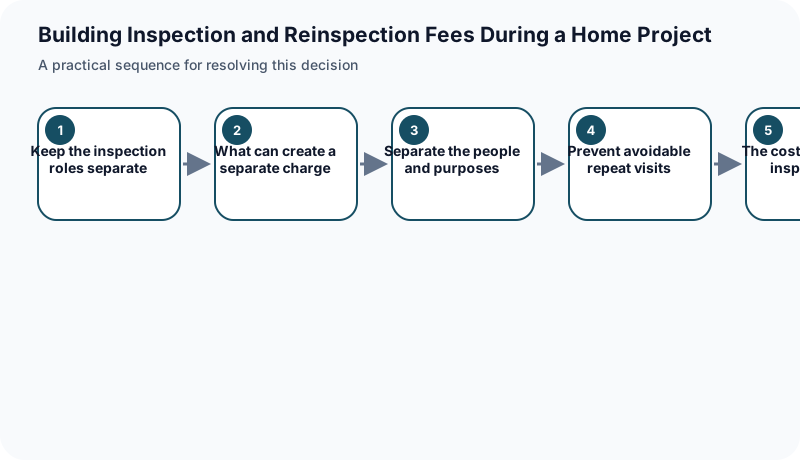
The building authority checks compliance under its process. A private inspector checks what the owner asks them to inspect. An architect or engineer may observe or administer construction under a contract. None of these roles automatically replaces another.
Ontario guidance says permit holders contact the municipality for required inspection stages. British Columbia describes final inspection as part of permit completion while directing owners to the local government for exact requirements. These are provincial examples, not a universal inspection sequence.
What can create a separate charge
Fee schedules may distinguish ordinary inspections included in a permit from additional inspections, special inspection, inspection outside normal conditions, or reinspection. Toronto’s schedule illustrates hourly examination or inspection charges and separate listed charges. Seattle explains that inspection fees can be among the factors affecting permit cost. Check the current local schedule rather than assuming every visit is included. Cambridge, Ontario says it introduced a $100 reinspection fee in January 2024. Its bulletin says the fee may apply when requested work is not ready or substantially complete, or when a recall inspection finds the earlier deficiency unchanged; it says no fee applies when an inspection is canceled before 8:00 a.m. on inspection day. This is a local example, not a province-wide rule. Confirm the current amount and conditions with the City.
Separate the people and purposes
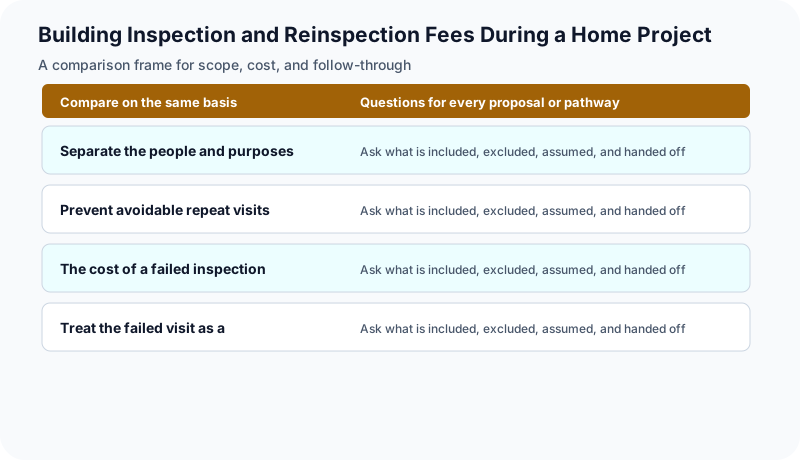
Before paying for an extra inspection, identify who is performing it and what decision it supports. A municipal inspection checks items within the authority’s permit process. A private home inspection is commissioned by an owner or buyer for a stated visual scope. An architect or engineer may observe work under a contract. A commissioning provider may test system operation. The reports are not interchangeable, and one does not automatically satisfy another party’s requirement.
Ask the authority which inspection must occur, at what stage, and what must be visible or operating. Ask the contractor who will request and attend the visit. If professional observation is separately required by the design contract, ask what the professional will document and how many visits are included.
Prevent avoidable repeat visits
Before booking, confirm the inspection stage, permit number, access, readiness, and documents the inspector expects. Ask whether an inspection request can be canceled and by when, whether a site contact must be present, and how the authority records a partial pass or correction. Keep the approved plans and previous inspection report available at the property or in the authority’s portal.
If work is not ready, ask the contractor to identify what remains before rescheduling. If the inspector cites a discrepancy, get the item in writing and identify whether the response belongs to the contractor, architect, engineer, or owner. A technical design question should go to the responsible professional; a scheduling question should go to the permit office.
The cost of a failed inspection
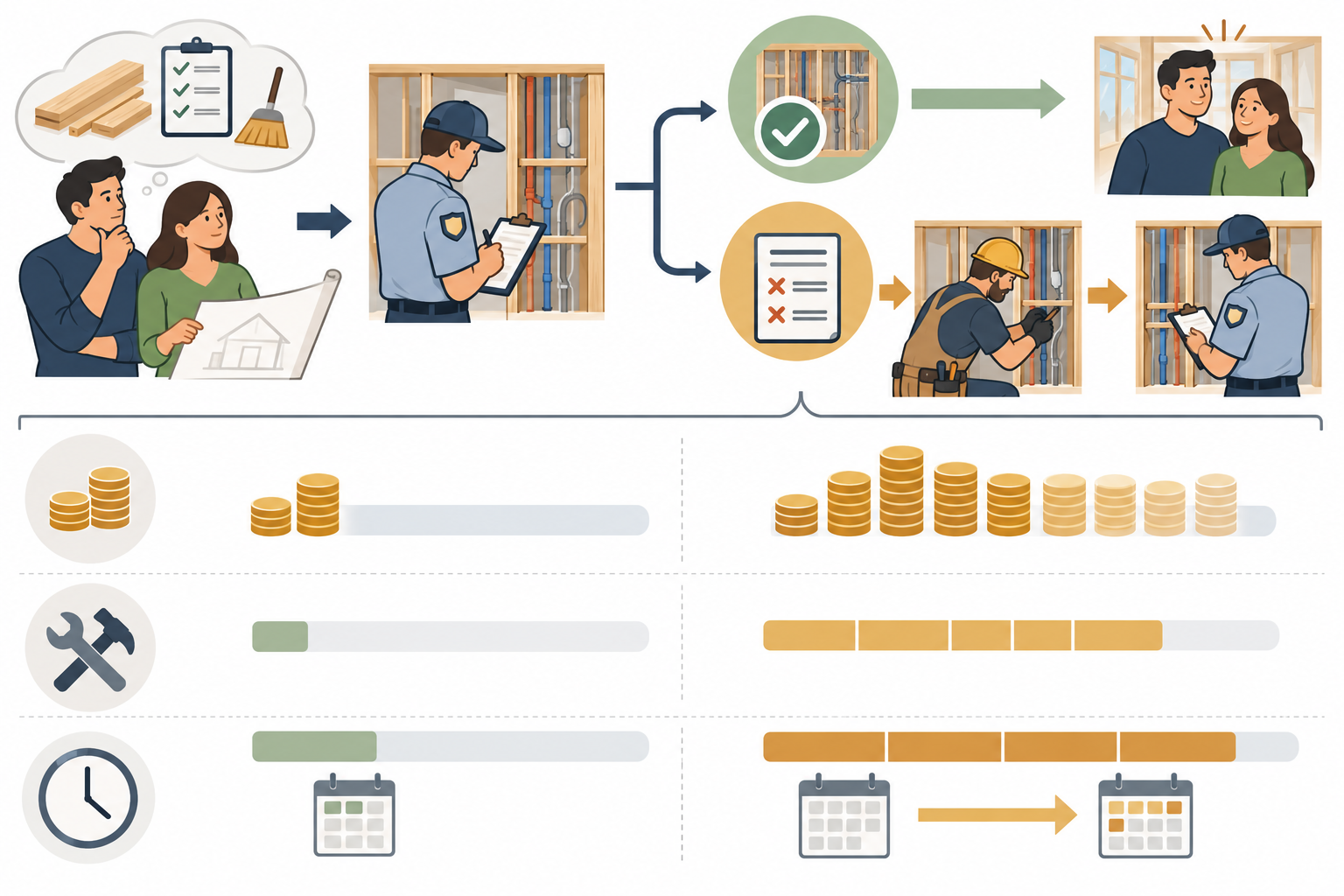
If work fails or is not ready, the budget may include:
- the authority’s reinspection or additional-service fee;
- contractor labor and materials to correct the work;
- professional redesign or clarification;
- demolition or access to concealed work;
- rescheduling and site protection;
- delay to other trades, financing, or temporary housing.
Do not label all of that “the inspection fee.” Correctly assigning each cost helps identify whether the problem was a missed appointment, incomplete work, design conflict, or construction defect.
Treat the failed visit as a project-cost signal
A repeat fee may be small compared with the reason the inspection could not pass. An incomplete installation can create labor, materials, protection, rework, or delay. A mismatch between plans and construction may require professional review and a formal revision. Track the direct authority charge separately from corrective work and schedule consequences.
Do not assume a passing municipal visit certifies every part of the construction or replaces private quality checks. Likewise, a private inspector’s report does not close the permit unless the authority’s own process says it does. Ask what remains after each visit and who will verify final closure.
How to avoid surprises
Ask the permit office when inspections must be requested, what must be visible, how much notice is required, and which charges apply to missed or failed visits. Ask the contractor who schedules inspections and who attends. Keep the permit, approved drawings, inspection reports, correction notices, and photographs together.
Do not cover work that the authority needs to inspect and do not proceed from a verbal assumption that the stage has passed. If a correction affects structure, life safety, or a professional design, ask the responsible professional what response is needed.
Confirm the local fee before scheduling
Check the current authority schedule and inspection booking instructions for the permit type. Ask whether the fee applies to a missed appointment, an incomplete inspection, a repeated visit, an after-hours visit, or an owner-requested special inspection. Confirm cancellation deadlines, minimum notice, and whether a fee is due at booking or after the visit.
If the schedule is unclear, ask the permit office to identify the exact fee line and condition. Keep the response with the permit record. A contractor’s prior experience may refer to a different permit type or an older schedule.
Make readiness a shared responsibility
The contract should say who requests each inspection, who confirms the work is ready, and who pays if the visit cannot proceed. The trade contractor may know when its installation is complete, while the general contractor may coordinate access and the owner may need to make a payment or provide a site contact. Write down this handoff.
Before covering work, confirm that the required inspection has passed or that the authority has approved another sequence. If a private inspector is also scheduled, coordinate visits so the same area is not opened or closed twice. Keep photographic records only as supporting project documentation; they do not replace an inspection the authority requires.
Agree on inspection readiness before work starts
The contractor’s schedule should show which work must be complete and visible before each inspection. Ask who confirms readiness, how the inspector accesses the site, and what the team does if a visit is canceled or only partly passes. Put the reinspection fee and responsibility in the construction contract so that the owner is not surprised by a disputed charge.
If the authority requires a correction, ask for the written item and the deadline. The contractor may be able to correct a workmanship issue, while a design conflict may require the architect or engineer to respond. Do not schedule a return visit until the responsible person confirms the work is ready.
Reconcile the inspection record
Keep the permit inspection history, private reports, correction responses, and contractor completion notes together. If two inspectors disagree, ask each to state the scope and criteria they applied. The authority controls its own approval; a private report can inform the owner but does not override the permit record.
Make inspection charges predictable in the contract
Ask the contractor to state whether the bid includes the normal inspection coordination, authority fees, special inspection, and any expected reinspection. If the owner pays the authority directly, identify that amount separately from contractor time to prepare the work. A failed visit can create both a municipal charge and added contractor labor.
If a private inspector is retained, request a fee schedule for extra visits and follow-up. Ask whether the inspector charges when the work is not ready and how much notice is needed to cancel. These terms help compare a flat package with per-visit billing.
After each visit, ask for the inspection result, correction list, and next required stage in writing. Update the project schedule and assign a responsible person to each correction before requesting another appointment.
If an inspection identifies a possible life-safety issue, contact the responsible professional and authority promptly rather than waiting for a routine reinspection date.
Confirm that the authority’s portal reflects the passed result before assuming the inspection stage is complete.
Budgeting and closeout
Include a modest administrative allowance for inspection coordination, but do not invent a national reinspection rate. Use the current authority schedule and contract. Permit closeout and final inspection covers the separate question of reaching final approval after the intermediate stages.
Avoid repeat visits caused by coordination gaps
Before booking an inspection, confirm that the work is ready, the approved documents are on site, required tests have passed, and the person who can provide access will be present. Ask the contractor which stages must remain visible and who requests each visit. If an inspection fails, obtain the written correction list and agree who will complete and document each item before rebooking. A repeat charge may be triggered by a local schedule or a specific cancellation rule, so verify the current authority policy instead of using a national allowance. Keep authority inspections distinct from private quality inspections and from laboratory testing, which may be separate contract costs.