
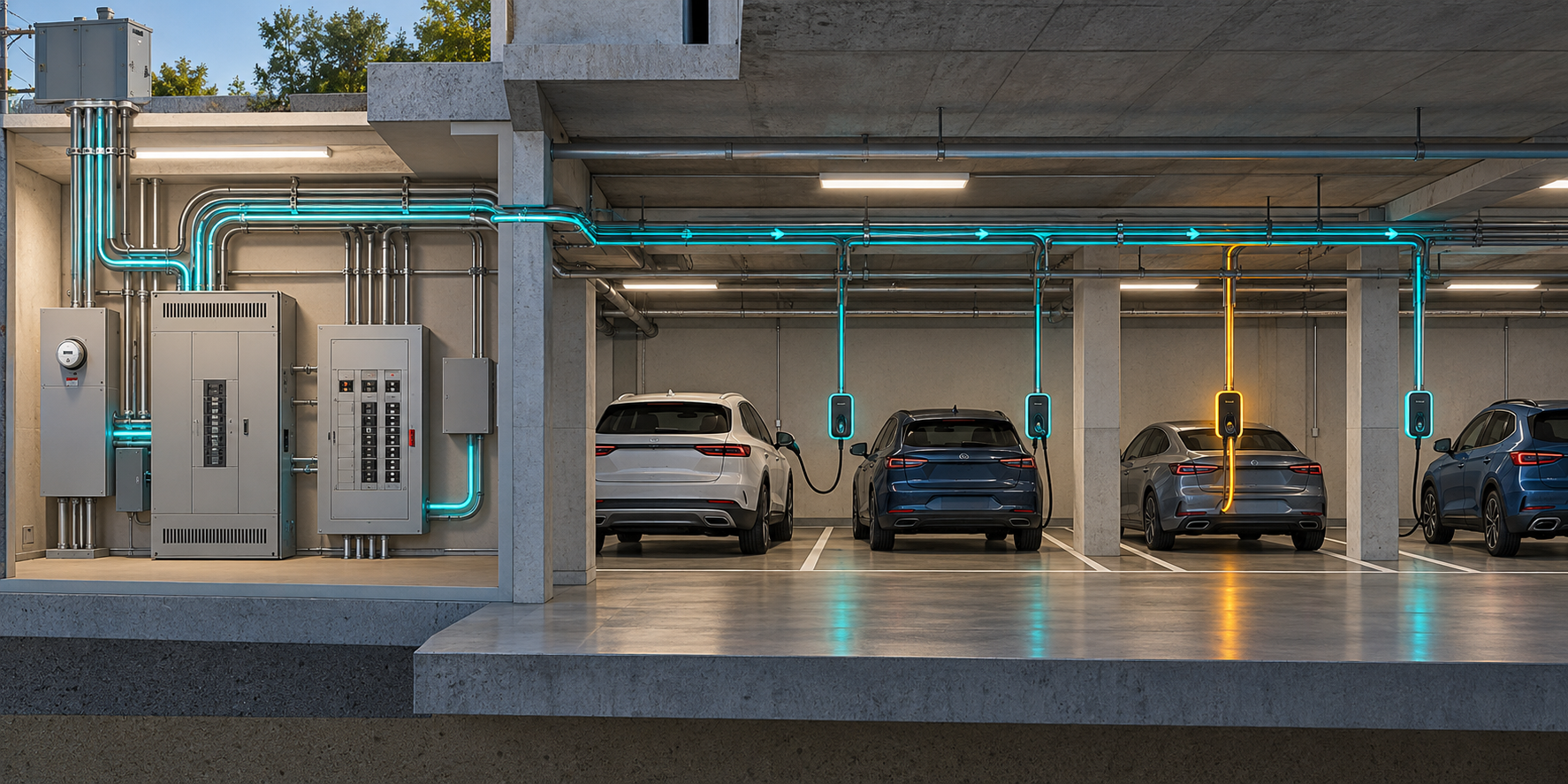
An electric-vehicle charger may be placed in a parking stall, garage, driveway, or common area, but the electrical service, conduit path, network, fire protection, and access rights can affect the whole property. The applicant may pay for the charger while the association controls shared infrastructure and future maintenance.
A useful cost answer separates private equipment from shared capacity and states who pays throughout the equipment’s life. British Columbia guidance illustrates this as a common-property and electrical-capacity decision, but its process is jurisdiction-specific and should not be generalized across the United States or Canada.
Define the parking and equipment rights
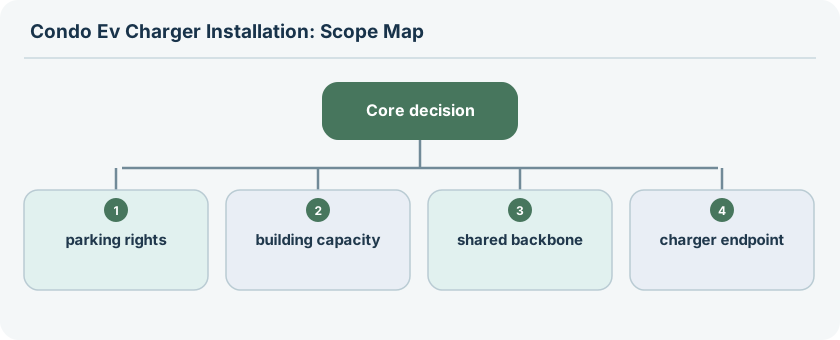
Document the charger location, parking right, electrical source, equipment rating, conduit route, meter or submeter, network service, and expected use. Identify whether the stall is titled, assigned, leased, or common property. The same physical parking space can have different approval requirements under different ownership plans.
The application may need an electrical design, load calculation, equipment specifications, contractor credentials, permit plan, insurance, fire or garage review, and restoration plan. Ask the manager whether an existing charging program or approved standard already applies. A parking assignment alone may not grant the right to run conduit through a garage or connect to building service.
Choose between private and shared infrastructure
An individual installation may include the charger, dedicated wiring, protection, meter, network service, and a connection contribution. A building program may instead install a common electrical backbone, load management, submeters, software, and multiple connection points. These are different capital and operating decisions.
If several residents want chargers, compare the choices by more than the first installation invoice. Ask who owns the backbone, who sets access priority, how electricity and network costs are measured, how future users connect, and whether the system can support additional demand. A shared program may spread infrastructure costs more broadly while creating ongoing administration and replacement obligations.
Check building capacity
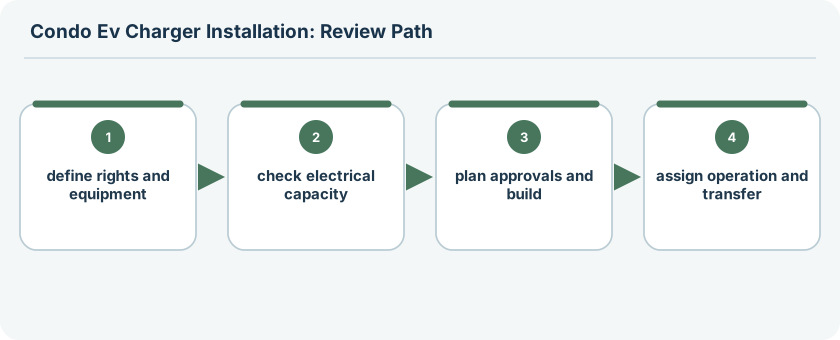
A charger can affect the unit panel, feeder, transformer, meter bank, load-management system, and shared service. Ask a qualified electrician or engineer to identify available capacity and whether the design needs load management, an electrical upgrade, a new meter, or utility approval.
Do not assume a charger can be connected to the nearest receptacle. The approval should identify the point of connection, shutoff, access, inspection, and owner of each piece of equipment. A capacity assessment is useful even when each applicant pays for a dedicated installation because future charging demand may change the building’s capital plan.
Budget approval, permits, and construction
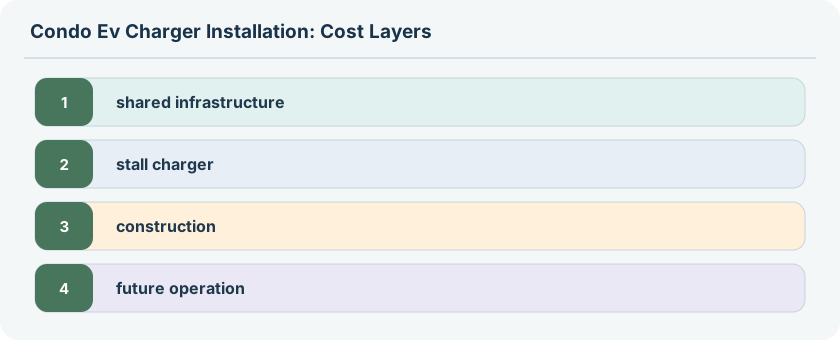
Separate the initial and recurring cost into:
- design, engineering, and capacity review;
- association review, deposits, and administration;
- charger, controls, wiring, conduit, and protection;
- meter, submeter, load management, network, and utility work;
- permits, inspections, testing, and commissioning;
- garage access, firestopping, waterproofing, and restoration;
- electricity, software, support, and billing;
- repairs, replacement, removal, and future capacity upgrades.
Confirm the association’s application process, contractor rules, construction hours, protection requirements, and closeout conditions. Obtain required public permits and inspections. A written agreement should cover drilling, firestopping, waterproofing, conduit, labeling, shutdowns, emergency access, and restoration. The applicant may pay the charger and dedicated wiring while owners share a service upgrade or the association maintains a common load-management system.
The cost path changes with the building’s capacity. A simple installation may use an approved point of connection and dedicated meter. A constrained building may need load management, a new feeder, transformer or service work, or a staged charging plan. A multi-user project may add design, software, billing, parking, and capital-planning costs even when it lowers the cost of each later connection. Ask for the assumptions behind the proposal and identify which items are estimates, allowances, or owner-requested upgrades.
California provides a state-specific approval and cost example under Civil Code section 4745, amended effective January 1, 2026. Where approval is required, the association must process the application like an architectural modification, issue a written decision, and may not willfully avoid or delay it. If it does not deny the application in writing within 60 days, it is deemed approved unless a reasonable request for more information explains the delay. For a station in common or exclusive-use common area, the statute sets owner conditions that include using a licensed contractor, maintaining liability insurance, and paying installation, electricity, maintenance, repair, replacement, and removal-related restoration costs. The applicant must provide the association a certificate of insurance within 14 days of approval, and the owner and each successor provide one annually. The statute is limited to California common-interest developments and does not replace safety codes, permits, or the project’s documents; the association’s property classification and proposed location still matter.
If capacity is not available for the requested charger, the safe alternatives may be to use an approved load-management design, join a future shared program, change the installation location, or defer the project while the association completes capacity planning. Do not treat a convenient outlet or an informal workaround as a substitute for electrical review. The decision should account for present use, future demand, utility requirements, and the building’s maintenance and replacement obligations.
Review the cost over the charger’s life
Consider three separate horizons:
- Before installation: design, capacity review, approval, permits, deposits, equipment, wiring, protection, and restoration.
- During operation: electricity, metering, network service, billing, software, inspections, repairs, and access for maintenance.
- At replacement or removal: equipment end of life, changes to the electrical system, garage or parking projects, storage, reconnection, and restoration.
An inexpensive charger can still create an unclear long-term obligation if the approval says nothing about service, billing, failure, removal, or a future shared upgrade. Conversely, a higher initial cost may be reasonable when it includes a scalable backbone or avoids repeated conduit and service work. Compare the proposal with the association’s adopted standards and capital plan, and ask for a written explanation of any connection fee or shared contribution. There is no universal condo or strata fee schedule; the property rules, design, capacity, and chosen service model drive the result.
Operation, safety, and transfer
Set out who can use the charger, how electricity is measured, who handles software or network fees, and what happens if a meter is inaccurate. The owner should not alter wiring, relocate equipment, bypass load management, or install a second charger without approval. If equipment overheats, trips protective devices, is damaged, or is affected by water, stop using it and notify the manager and a qualified professional.
Insurance and responsibility for the charger, parking area, vehicle, and building may be separate. The agreement should identify the equipment and service connection, account holder, meter or billing method, emergency contact, and party responsible for service. State what happens if the owner sells, leases, stops using the charger, or fails to pay a recurring charge. A later owner may inherit equipment or an obligation only under the applicable agreement and property rules.
Plan for future building projects
A garage waterproofing project, electrical upgrade, fire-system change, or parking reconfiguration may require chargers to be removed or relocated. Before installation, state who pays for temporary removal, storage, reconnection, upgrade compatibility, abandonment, and restoration of common finishes. Ask whether the association can adopt a common charging system later and how existing applicants will be treated.
Future reserve or capital records should distinguish the shared backbone from owner equipment and identify expected life, maintenance, capacity, and replacement. This prevents a later project from treating every charger as either entirely private or entirely common.
The same distinction matters if the charger is removed or fails. A dedicated charger may be replaced under the owner’s agreement, while a damaged conduit, fire-rated penetration, common disconnect, or shared load-management component may follow a different maintenance path. Record the equipment and connection separately so a contractor can price removal, repair, reconnection, or restoration without guessing from the parking-stall assignment.
EV charger decision checklist
- Confirm parking and equipment rights.
- Obtain the electrical capacity assessment.
- Choose private or shared infrastructure deliberately.
- Identify private and common equipment.
- Complete association and public approvals.
- Define contractor protection, access, testing, and restoration.
- Allocate installation, electricity, administration, repairs, replacement, and removal.
- Address transfer, emergency disconnection, and future building projects.
The durable answer is not merely “the applicant pays.” State who pays for the charger, shared infrastructure, electricity, access, future maintenance, removal, and capacity changes, and record that allocation before installation.
Closeout file
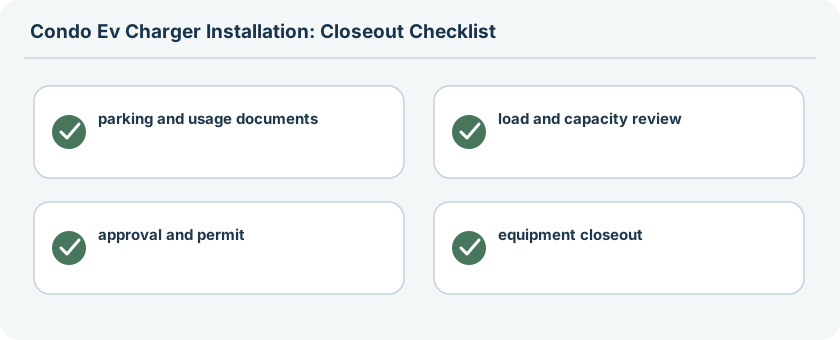
Collect the capacity calculation, drawings, permit and inspection records, commissioning tests, photographs of concealed work, warranty, electricity-meter setup, network account information, emergency shutoff, and maintenance instructions. Keep the approval agreement with the unit and parking records. The file should identify the connection, equipment owner, billing method, ongoing service duty, transfer terms, and any condition for removal or reinstatement.
Example: a charger in an assigned garage stall
An assigned stall may not include a right to run conduit through the garage or connect to the building service. The application should identify the parking interest, cable route, electrical capacity, equipment ownership, metering, fire or garage requirements, and restoration. The owner may pay the dedicated installation while a shared service upgrade follows a different funding rule.
Before construction, obtain written approval and permits. At closeout, confirm the load calculation, inspection, commissioning, meter setup, warranty, emergency shutoff, and transfer or removal terms. If a future garage waterproofing project requires temporary removal, the agreement should already say who disconnects the charger, protects the common assembly, stores the equipment, and pays for reconnection or restoration.