
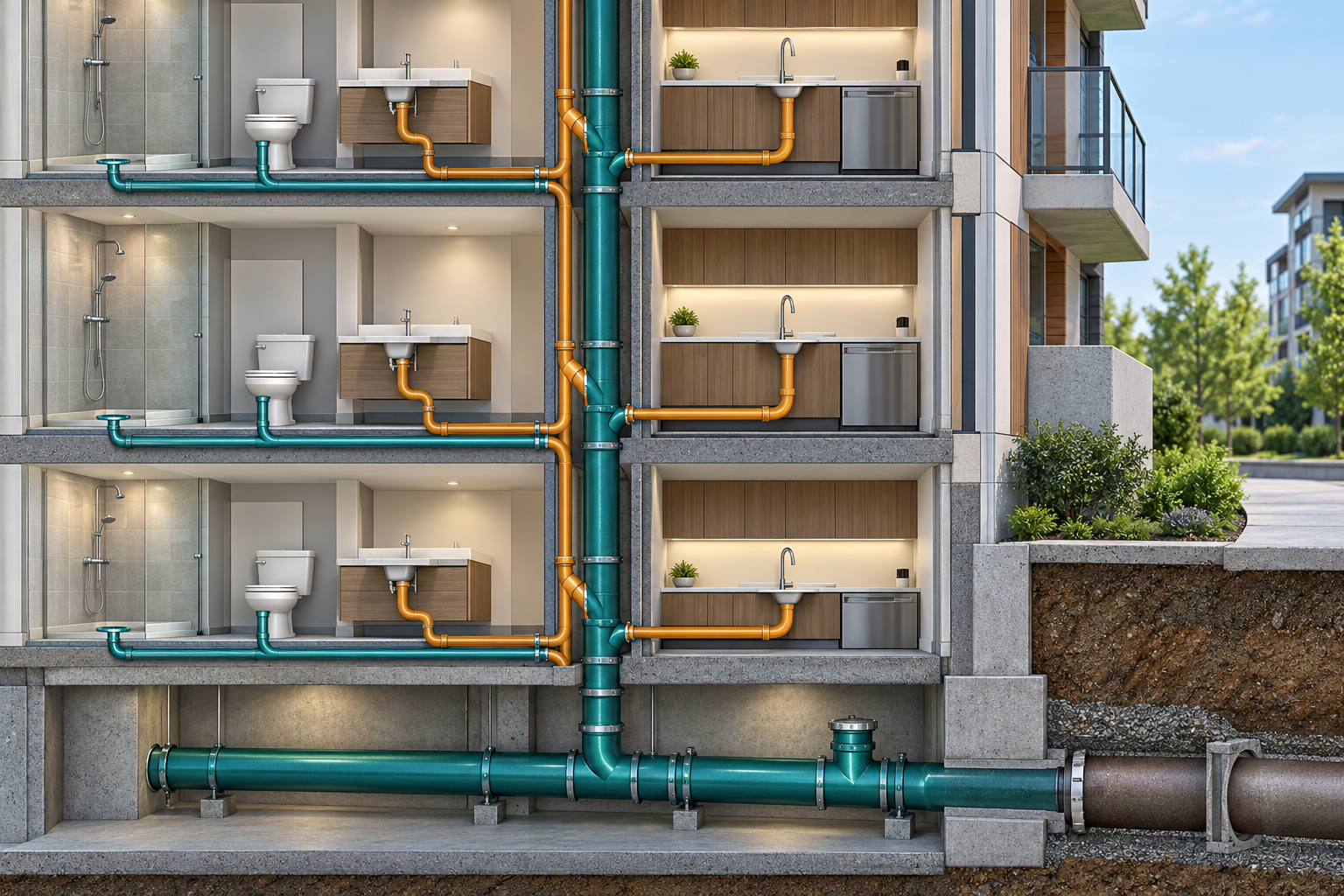
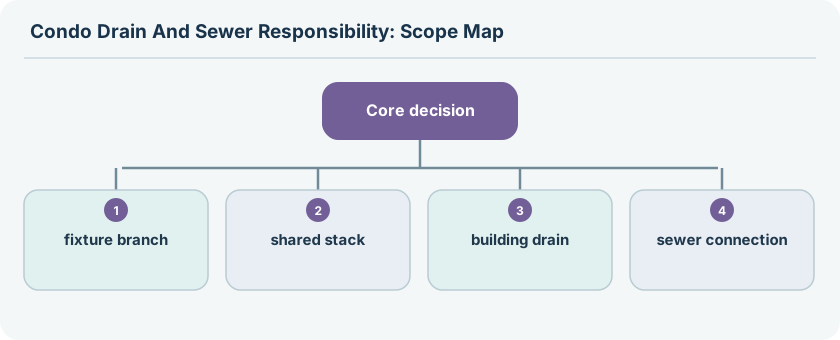
A drain backup can begin at a fixture, a unit branch, a shared vertical stack, a horizontal building line, or the municipal connection. The location of the water or waste does not, by itself, determine who pays. A useful answer identifies the failed component, the point where responsibility changes, and the separate rules for emergency mitigation and interior restoration.
Map the drainage path
Ask the manager or a qualified plumber to describe the flow path from the fixture to the building connection. The map may include:
- a sink, shower, toilet, floor drain, or appliance connection;
- a branch serving one unit;
- a vertical stack serving several floors;
- a horizontal common drain or cleanout;
- a building main, ejector, sump, or backwater device;
- the connection to the municipal sewer;
- walls, slabs, ceilings, and finishes that must be opened for access.
The declaration, plan, bylaws, plumbing rules, and maintenance matrix may define the boundary differently. A pipe inside a unit wall may be common, while a branch serving one fixture may be assigned to the unit. A cleanout or valve may have its own maintenance rule.
Distinguish blockage from pipe failure
A blockage and a failed pipe can produce similar symptoms but lead to different investigations. Ask whether the plumber identified a localized obstruction, a collapsed or cracked line, root intrusion, a failed backwater valve, inadequate slope, or a recurring capacity problem. Keep the camera images, scope report, photographs, and invoice.
Repeated backups deserve a building-level review. If several units report the same event, or if the backup occurs at a common cleanout, the association may need to investigate a shared line even if the water first appeared in one unit. Do not accept a surface treatment as a permanent solution without asking what caused the recurrence.
Emergency steps and notice
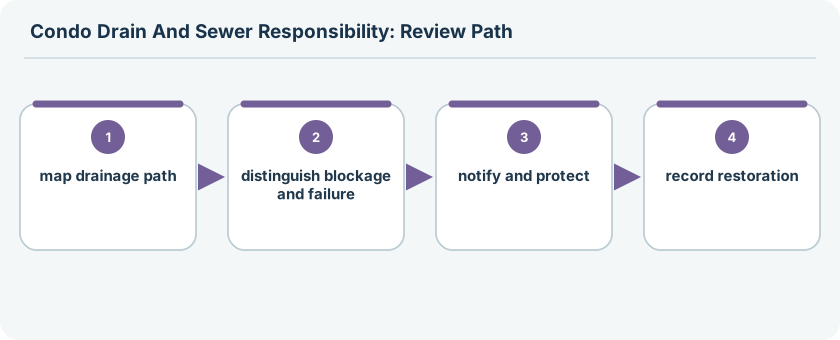
Stop using affected fixtures if directed, protect people from contaminated water, notify the manager and affected units, and use an appropriate mitigation contractor. Do not mix chemical drain cleaners with emergency response or open a common wall without coordinating access. Photograph the condition before removal when safe.
Emergency work can be authorized to stop an active discharge without settling the final allocation. Ask for written confirmation of the emergency scope, who hired the contractor, and whether the invoice is being paid from a common account pending investigation.
The pipe bill is not the whole claim
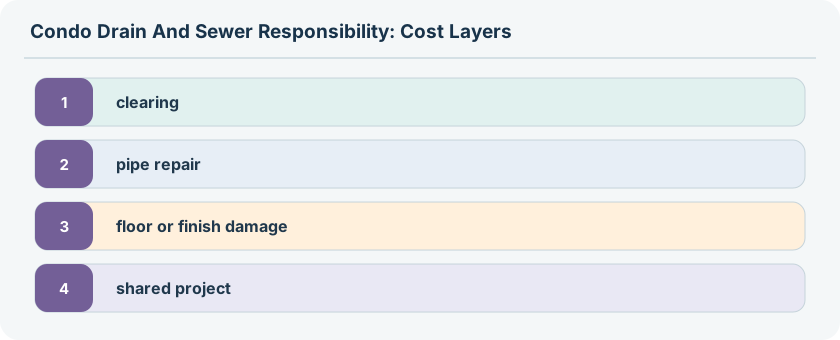
Responsibility for a drain or sewer line can differ from responsibility for:
- sewage cleanup and disinfection;
- drying, demolition, and mold-related work;
- drywall, flooring, cabinets, and paint;
- personal property and temporary accommodation;
- an insurance deductible;
- access repairs after a shared line is opened.
Review the association policy, unit policy, declaration, damage-restoration rule, negligence provisions, and any chargeback language. A backup caused by an owner fixture, alteration, or failure to report may be treated differently from a shared stack failure, but the cause must be supported by inspection.
Renovation and fixture changes
Renovations can change the analysis. A relocated bathroom, added laundry appliance, new garbage disposal, altered branch, or removed trap may have approval conditions and maintenance consequences. Preserve permits, plans, contractor invoices, and approval letters. If a plumber finds a non-standard connection, stop before expanding the work and ask the manager how the line will be documented.
An owner may be responsible for a unit fixture but still need association permission to access a shaft or slab. Conversely, the association may control a shared line but require the owner to provide access and protect the unit’s contents.
Questions for a clear allocation
- Where did the backup start, and how was that determined?
- What component failed or became blocked?
- Who owns or maintains that component under the documents?
- Who had authority to order emergency work?
- Which surfaces and units were affected?
- Is the event covered, excluded, or subject to a deductible?
- Did an alteration, fixture, or delay contribute?
- How will the common cost or chargeback be allocated?
- What permanent repair prevents recurrence?
- What records prove the line was tested and restored?
The safest conclusion is layered: identify the drainage component, preserve the evidence, separate emergency cleanup from permanent repair, and address finishes and insurance under their own rules. A one-unit symptom is not enough to classify a building sewer obligation.
Cleanouts, shared stacks, and recurring backups
The location of a cleanout can help a plumber investigate, but it does not automatically establish ownership. Ask whether the cleanout serves one unit, several units, or the building main. If a backup returns after a unit line is cleared, request a camera inspection or other appropriate diagnosis of the shared path.
A recurring problem may involve capacity, slope, roots, a damaged pipe, a backwater valve, or a maintenance practice. Keep records of earlier service calls and whether other units reported symptoms. The association may need a capital project rather than repeated unit-level clearing.
Access and restoration
A shared drain often runs behind a wall, ceiling, slab, or shaft. Before opening it, document the access location, protection, demolition scope, and closing standard. Ask whether the association’s contractor will match the existing finish or whether a custom owner finish is treated as an improvement.
If sewage affects multiple units, the association should coordinate sanitation, drying, and occupant safety. Owners should not move contaminated contents through common areas without professional instructions. Confirm re-entry criteria and retain moisture, sanitation, and clearance records where applicable.
Cost and funding review
A unit branch repair may be a unit expense, while a shared stack or main may be funded through ordinary fees, reserves, an assessment, insurance, or another association account. The final result may also include a unit deductible, a chargeback, or an owner-specific alteration cost. Ask for the document section and calculation for each amount.
For a buyer, review recurring backup notices, plumbing studies, assessments, and recent meeting minutes. For an owner, record the permanent repair and any prevention work, not only the emergency clearing invoice. A low-cost clearing that leaves a damaged shared line unresolved is not a completed solution.
Closeout questions
At completion, obtain the scope, camera images or test results, invoices, photographs of repairs before concealment, drying records, warranty, and instructions for future access. Confirm that the line was tested under appropriate conditions and that the wall, ceiling, floor, or cabinet opening was restored.
The plumbing file should let a later reviewer answer four questions: where the problem began, what failed, who had authority, and how each resulting cost was allocated. That is the record needed when a one-time backup becomes a building-wide maintenance issue.
If contaminated water is involved, follow the mitigation professional’s instructions for isolation, cleaning, disposal, and re-entry. Keep the sanitation and drying records with the plumbing report. The final allocation should identify any common-line work separately from unit contents and finish restoration.
If a shared line is opened, photograph the pipe and connection before replacement where safe. Record the test used after repair and the access finish. A clear closeout distinguishes a cleared blockage from a replaced or rehabilitated line.
Example: a backup through a floor drain
A floor-drain backup may be caused by a unit branch, shared stack, building main, backwater valve, or municipal connection. A plumber should identify the blockage and service path, preferably with a camera or other appropriate test when the issue recurs. The unit where the water appeared is not necessarily the unit responsible for the line.
During mitigation, separate contaminated-water cleanup from permanent pipe repair and interior restoration. Record which units and common areas were affected, who authorized emergency work, and whether an insurance claim was opened. If the line is shared, document the access opening and final test before the wall or floor is closed.
For recurring events, add the finding to the association’s capital records. A sequence of unit-level drain clearings may be evidence that a shared line needs a planned solution.
For a shared-line project, ask whether the association’s capital plan includes cleanouts, access panels, pipe supports, testing, and restoration. For a unit line, keep the fixture and renovation history. In either case, the final invoice should identify the line and the test that supports the repair.
A useful final report names the blockage or break, service boundary, test method, mitigation, restoration, and prevention. If no permanent defect was found, record the monitoring or maintenance plan and the trigger for another inspection.
When the line is common, ask the association to add the result to its plumbing inventory and reserve plan. When the line is unit-controlled, preserve fixture and renovation records. If the cause cannot be located, record the testing performed, the limits of the conclusion, the temporary monitoring, and the threshold for another inspection. This is more useful than assigning a payer from the room where the backup occurred.
Ask the plumber to identify whether the completed work is a cleaning, spot repair, lining, replacement, or only temporary stabilization; that distinction belongs in the association’s future maintenance record.