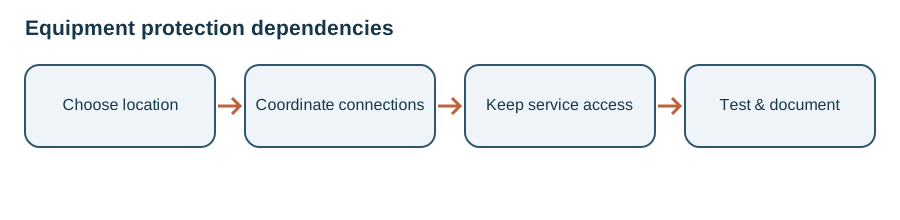
Flood-protecting utilities can range from a raised platform for one outdoor unit to a coordinated relocation of heating, cooling, water heating, electrical, fuel, controls, and distribution systems. The cost is driven less by the word “elevate” than by what must be disconnected, rerouted, supported, permitted, and kept serviceable afterward.

Which equipment is vulnerable
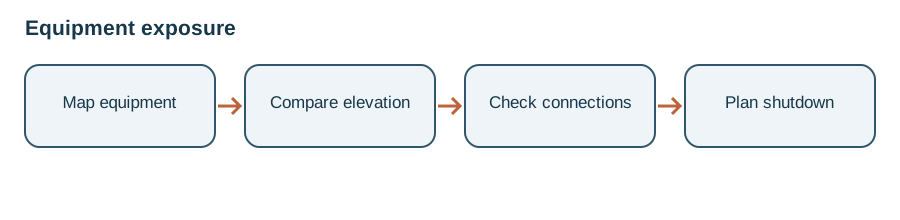
Common concerns include furnaces, boilers, air handlers, water heaters, electrical panels, disconnects, heat pumps, generators, fuel equipment, well controls, pumps, and communication or alarm equipment. A basement or crawl-space location may expose several systems at once. Outdoor units can also be affected by flood depth, debris, buoyancy, corrosion, and access even when they are not inside the house.
The first question is the expected water level and force, not the height of a convenient shelf. A raised appliance may still be below the event level. A platform or enclosure must carry the equipment, resist the applicable forces, preserve required clearances, and allow future service. Anchoring and attachment need property- and product-specific review.
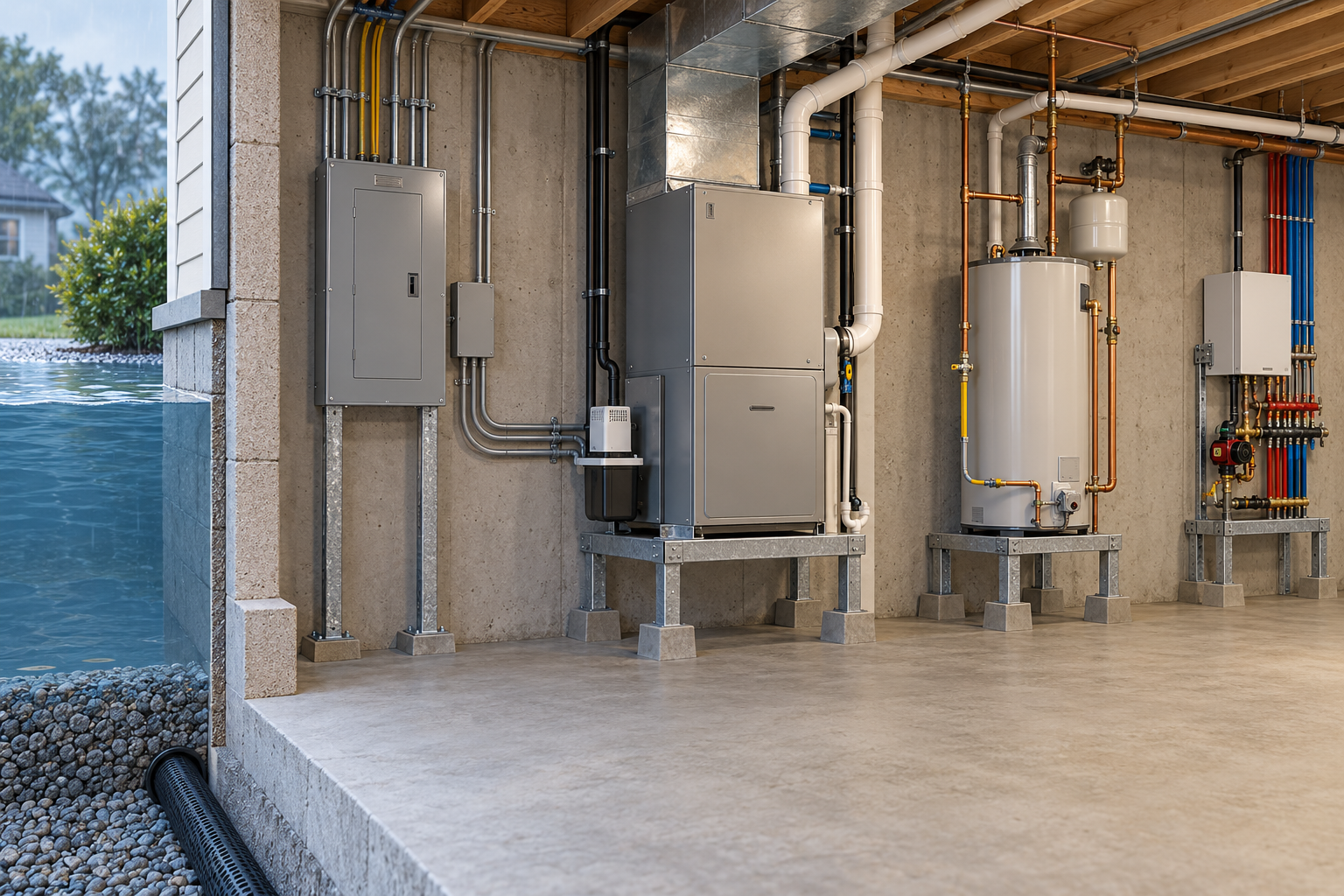
Three approaches to compare
- Elevate in place. A platform, raised housekeeping pad, rack, or structural support may work for some equipment. It can be the least disruptive approach when connections have enough slack and the equipment remains accessible.
- Relocate. Moving a water heater, panel, furnace, or controls to a higher floor or protected room can require new plumbing, wiring, venting, refrigerant lines, ductwork, drains, fuel piping, and structural support. The relocation may cost more but may improve serviceability.
- Protect in place. A flood-resistant enclosure or barrier can be considered in some settings, but it is not automatically suitable for every appliance or flood force. A protective measure must not trap water, create unsafe combustion or electrical conditions, or prevent required inspection.
What drives the budget
Plan for professional coordination across electrical, plumbing, HVAC, gas or fuel, structural, and sometimes floodplain disciplines. The cost may include shutdown and reconnection, new lines and penetrations, equipment pad or framing, controls, drainage, venting, finish repair, testing, permits, inspections, and temporary loss of service. Access can dominate when equipment is in a tight basement or must be moved through finished space.
Replacing equipment at the same time can change the economics. If a furnace or water heater is near the end of its useful service life, installing a new compatible system in the final protected location may avoid paying for two relocations. Do not replace a functioning system solely to follow a generic flood-retrofit rule; first confirm the hazard, product requirements, and planned configuration.
Hidden trade-offs
Elevation can affect noise, maintenance access, condensate drainage, combustion air, vent length, electrical routing, seismic restraint, wind exposure, and future replacement. A flood measure can create a new hazard if it blocks egress, overloads a platform, or leaves a fuel or electrical connection exposed. Ask the contractor to document clearances, attachment, service access, expected flood level, and the residual risk.
The project may protect equipment without protecting the building or occupants. Water can still enter through foundations, doors, windows, ducts, drains, or walls. Coordinate utility work with the broader flood plan, backwater protection, sump reliability, and any structural or coastal assessment.
U.S. and Canadian verification
Floodplain requirements, electrical and gas rules, permits, inspections, manufacturer clearances, and insurance treatment vary by jurisdiction and product. Federal flood guidance provides decision concepts, not a universal installation detail. Obtain local confirmation before relying on a code, grant, or insurance assumption. Price U.S. and Canadian work in their local markets rather than converting currencies.
A good quote identifies every system moved or protected, the connection and restoration work, serviceability after installation, assumptions about flood depth and force, and what remains unprotected. That scope is more valuable than a low per-unit price that hides the multi-trade work.
Build an equipment-by-equipment schedule
List each appliance or service with its present location, proposed location, expected flood exposure, required connections, support, clearances, and maintenance access. Include shutoff valves, disconnects, controls, drains, vents, filters, and replacement paths. This exposes conflicts early. A platform for an outdoor heat pump may interfere with service access; a higher water heater may change venting and relief-pipe arrangements; a relocated electrical panel may require new feeders and wall restoration.
Ask who is responsible for each interface. The structural contractor may build a platform but not certify electrical or gas connections. The HVAC contractor may select a location but not design the support. The plumber may move water lines but not resolve a floodplain requirement. A written coordination plan prevents a series of separate quotes from leaving a gap between trades.
Compare protection with replacement timing
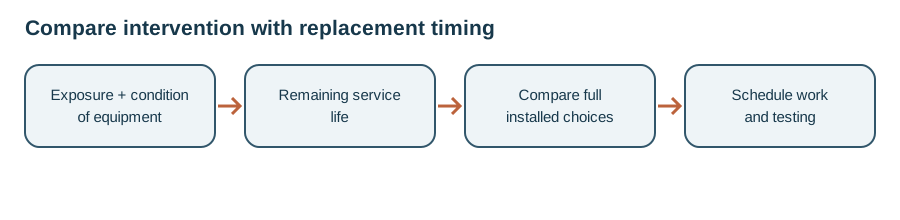
If equipment is old, compare the cost of moving the existing unit with buying a replacement that fits the final protected location. If equipment is relatively new, avoid replacing it only to make a generic resilience package look complete. Ask for the expected service life, warranty effect, new location’s service clearance, and the cost of replacing it later through the access route.
The final budget should include testing during normal operation and after a simulated or documented shutdown where safe, plus periodic inspection of supports, anchors, corrosion, drains, and connections. Elevation is successful only when the equipment can still be operated and serviced safely.
Plan the work sequence and temporary service
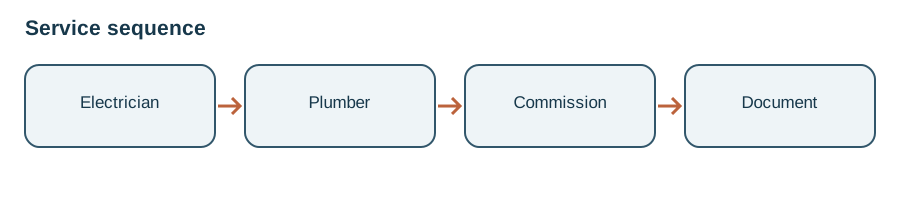
Moving several systems can require more than one shutdown. Ask the team to identify which services must be disconnected first, how long each will be unavailable, when inspection is needed, and what must pass before walls or floors are closed. The sequence may affect whether the household needs temporary heat, hot water, cooking, refrigeration, or a place to stay. Do not assume the service interruption is included in a mechanical contractor’s price.
If equipment is being moved to a new room or floor, confirm that the destination is ready before disconnecting the existing system. The new space may need structural support, drainage, ventilation, access, or protected routing. A change to one system can also affect another: relocating a panel can alter the path for controls, while moving a furnace can change duct transitions and condensate routing. Ask which professional owns each connection and who verifies the complete operating system at the end.
Bid comparisons should distinguish demolition and restoration from the permanent work. One contractor may include patching, paint, flooring, and debris removal while another leaves these to the homeowner. If the final location is uncertain, request separate priced alternates rather than letting each bidder choose a different arrangement. Keep allowances for hidden conditions tied to a clear trigger, such as an inaccessible line or a support that cannot be reused, and require approval before additional work begins.
Before closing the project, ask for a handover showing the final equipment locations, shutoffs, disconnects, service clearances, and maintenance access. Keep product documentation and inspection records with the property. A well-planned relocation should remain workable when the equipment needs routine service or later replacement, not just during the initial installation.
Compare common equipment situations
The same “elevate utilities” label can describe very different work. A single outdoor unit with accessible connections may be a defined support and reconnection project. A group of basement appliances may require a new utility room, line extensions, ventilation changes, and finish reconstruction. A service panel move can affect feeders and every circuit path, while relocating one pump may mainly involve plumbing, electrical supply, alarm, and discharge. Ask the contractor to state which situation the quote assumes.
For each item, compare three questions: what is exposed, what must move or change, and what other system depends on it. The cost of lifting equipment can be modest beside the work needed to preserve safe clearances, venting, fuel supply, drainage, or electrical access. Conversely, moving an entire system when only one component is exposed can add unnecessary demolition and new connections. A schedule that lists the equipment and its interfaces makes those differences visible before contracts are signed.
Use sequencing to avoid paying twice. If an electrical panel or boiler replacement is already planned, coordinate the final location before the replacement quote is accepted. If the flood assessment is incomplete, avoid building a permanent platform that may conflict with a later layout. Ask for a priced allowance for unresolved connection length or restoration, and have the professional state what finding would make the allowance inadequate. This is more useful than a per-appliance average that ignores the home’s actual routes and access.
Check the interfaces before choosing a protection method
An equipment list is only the start of the estimate. For each item, note its elevation, the connections that must move, the space needed for service, and whether the surrounding system can tolerate a changed location. A furnace, water heater, electrical panel, or heat pump may involve different trades and different shutdown periods. Ask the contractor to identify work that depends on another trade so the household can compare a coordinated package with separate visits.
Protection in place also needs an operating plan: access for inspection, a way to isolate equipment where appropriate, and a clear account of what happens if water reaches the room. Relocation may reduce exposure but require longer pipe, wiring, duct, or refrigerant runs and changes to ventilation or drainage. These details are property-specific; a quote should show the actual route and connection work rather than use a single per-appliance assumption.
Before approving work, compare the proposed result with replacement timing. If an appliance is near the end of its service life, include removal and replacement in both alternatives so the comparison is fair. Confirm who restores finishes, tests the equipment, and documents its new location.