
Winterization protects the pool, plumbing, equipment, cover, and surrounding property. The work depends on pool type, plumbing arrangement, equipment, cover, climate, manufacturer instructions, and local practice; a general article cannot provide one safe procedure for every installation.
Toronto seasonal price context
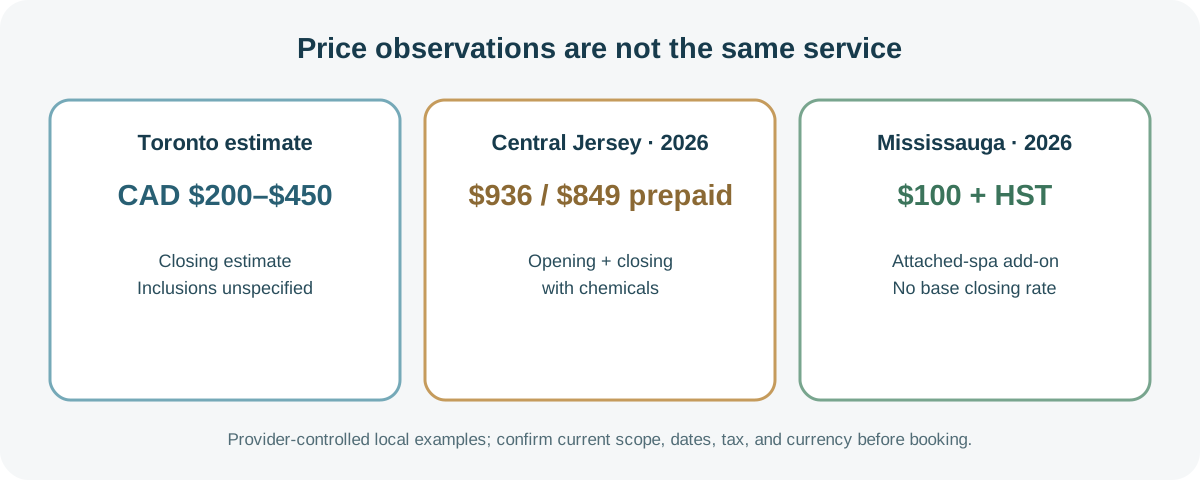
Easy Pools lists a Toronto 2026 pool-closing or winterization estimate of CAD $200–$450. The source does not define the procedure or included materials. Treat it as one provider’s local signal, not a standardized GTA or Canadian range, and request a written scope for the actual pool, equipment, cover, climate, and service year. Easy Pools’ Toronto estimates
Other providers show why a seasonal package or add-on must be read as a separate scope. A Central Jersey Pools 2026 contract lists an opening-and-closing combination with chemicals at $936 regular or $849 prepaid. That is a dated offer for two seasonal visits, not a winterization-only price or an active quote for another season. A Mississauga provider’s 2026 terms list a $100 plus HST add-on for an attached spa or hot tub at opening or closing. Its opening terms also say that if three or more visits are needed to reach the provider’s stated safe-and-swimmable endpoint, each further labor visit costs $100 plus HST, excluding chemicals; this is not a closing charge. The terms do not state a base closing price. These provider figures use their own customer and service conditions and are not a regional range. Central Jersey Pools’ 2026 contract · People for Pools’ 2026 terms
| Local source | Published amount | What is and is not priced |
|---|---|---|
| Easy Pools, Toronto | CAD $200–$450 | Winterization estimate; procedure and included materials are unspecified |
| Central Jersey Pools, 2026 contract | $936 regular / $849 prepaid | Opening and closing combination with chemicals; not a closing-only amount, and the offer is season-specific |
| People for Pools, Mississauga, 2026 terms | $100 plus HST for an attached spa at opening or closing | Add-on only; no base closing amount is published in these terms |
Keep the base closing amount, a two-visit opening/closing package, and feature or return-visit charges in separate quote lines. A package should state which pool and cover type it assumes, what winterization is included, which products or chemicals are included, and what happens when the provider cannot complete the visit in the planned time. The displayed dollar signs in the provider documents are retained as published; the listed amounts are not converted or normalized. Historical seasonal offers explain bill structure, but the current provider schedule and contract determine what can be booked.
These are unverified local provider observations, not comparable market estimates. Confirm the current price, tax, service area, appointment terms, and exact inclusions before treating any one figure as a budget for a different pool or season.
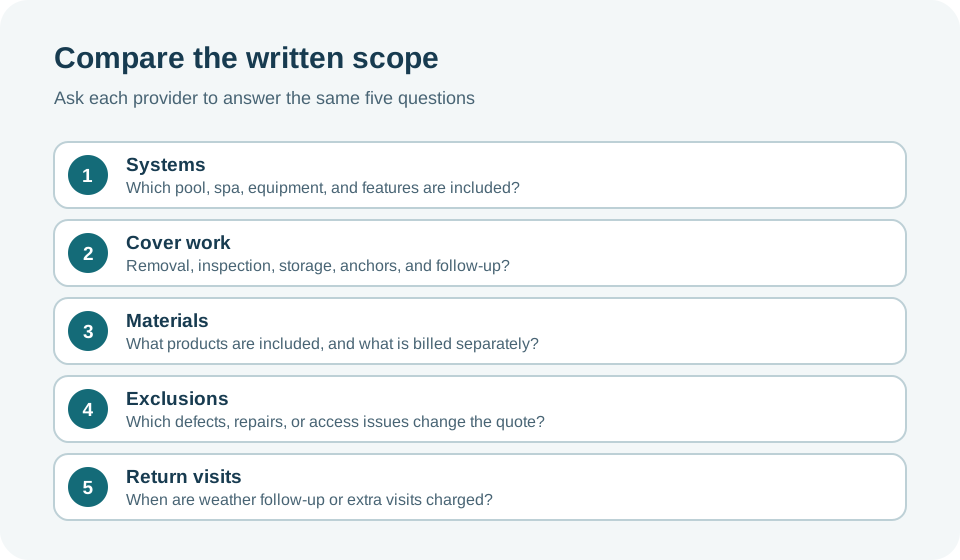
Before comparing proposals, ask each provider to list the same basics: covered systems, cover work, included materials, excluded repairs, and return-visit terms. A written line-item scope makes differences visible without assuming that two similarly named packages include the same work.
Keep a condition and weather boundary
If a pump, filter, valve, heater, cover, fitting, or line is already damaged, ask whether it should remain out of service and whether repair is needed before shutdown. The provider should distinguish protection completed from parts it could not inspect or work it could not test. Agree how a weather change after closing is handled, including monitoring, a return visit, access, and cover checks.
Freeze protection is equipment- and climate-specific. Do not follow generic instructions for clearing lines, adding chemicals, disconnecting equipment, or working on fuel and electrical systems without current product information and qualified local guidance. A closing invoice should not imply that a known defect is repaired or that concealed parts are certified.
The practical service window depends on local climate, expected cold periods, equipment exposure, and how often the owner can check the property. Ask the provider to describe its appointment window and response to an unexpected weather change, but do not treat its schedule as a universal safe date. A Canadian and a U.S. pool may have different seasonal exposure; use local service and product guidance rather than converting a U.S. seasonal price.
The pool and climate define the winter work
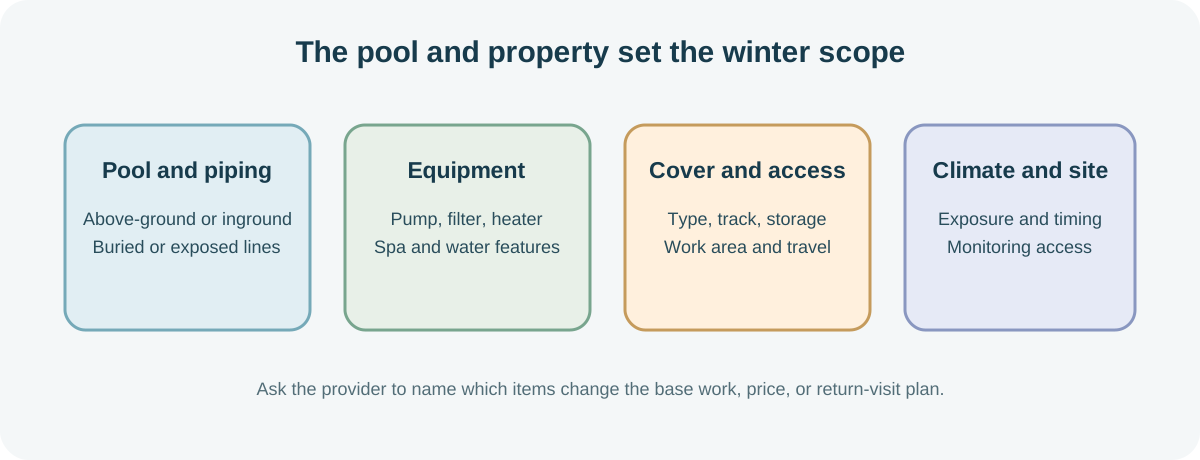
An above-ground seasonal pool, an in-ground pool with buried plumbing, and a pool with an attached spa or water feature have different systems and exposure. The provider should identify what the quote covers for the pump, filter, heater, sanitizer, automation, lights, spa, features, and cover. Use exact manufacturer instructions and qualified local practice for the actual installation; this article does not prescribe a shutdown method or date.
Compare prevention with an observed damage case
A routine closing on a known, serviceable system is a different scope from a property with prior freeze damage, a leak, exposed equipment, or an inaccessible cover. Compare the service visit with any confirmed repair, cover work, monitoring, or restoration as separate choices. Do not claim that a closing invoice guarantees against damage or that skipping service guarantees a loss.
If a defect is found, ask what must remain out of service, what test or repair is required, and who authorizes the next visit. The quote should separate the seasonal work from parts, diagnosis, and restoration, then state the weather or site condition that changes its assumptions.
Include the owner’s access and monitoring plan
For a seasonal or remote property, name who can reach the equipment and cover, who receives a weather or service call, and who may approve an extra visit. Confirm whether the service provider offers monitoring and what its agreement covers; do not assume a routine closing includes later response.
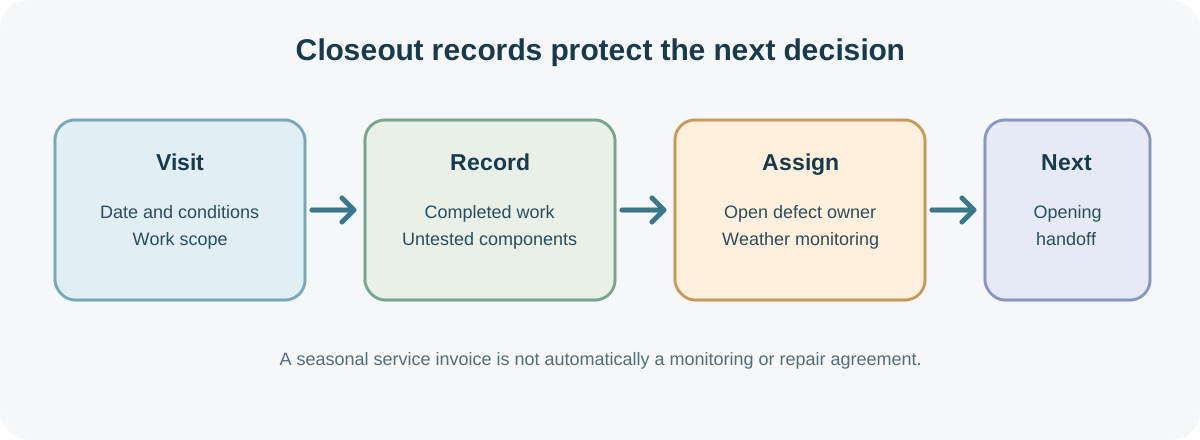
Retain date, pool configuration, observed condition, cover and hardware, work completed, open defects, photographs, and monitoring responsibility. The next opening provider can then distinguish a fully closed pool from one awaiting repair or owner action.
Identify the systems included in the seasonal scope
A closing proposal should identify the pool configuration rather than use one undefined line. List the water body, attached spa, water features, exposed and buried piping, pump and filter, heater, sanitizer, automation, lighting, and cover. The provider can then state which components receive service, which remain outside the scope, and which need a separate visit or specialist. The equipment and method should follow the actual manufacturer’s instructions and local professional practice.
The cover can be a separate cost center. Identify whether the service removes, cleans, folds, stores, inspects, or repairs it; whether anchors or tracks are included; and who checks the cover after a weather event. A damaged cover or inaccessible storage area can affect both labor and the owner’s ability to monitor the closed pool. Do not assume that a standard closing package covers a custom or automatic system.
For a remote property, the owner should establish the planned state after the provider leaves: fully closed, awaiting a repair, partially serviced, or requiring owner monitoring. Record who can enter, who receives a follow-up call, what counts as an urgent defect, and how additional work is authorized. A routine winterization visit is not automatically an ongoing monitoring contract.
The invoice and handoff should distinguish tasks completed from components not operated or inspected. This is especially useful when the next opening provider sees a leak, damaged housing, water-level change, missing fitting, or cover problem and needs to determine whether it predates the opening season.
Confirm the disposal and water-level scope
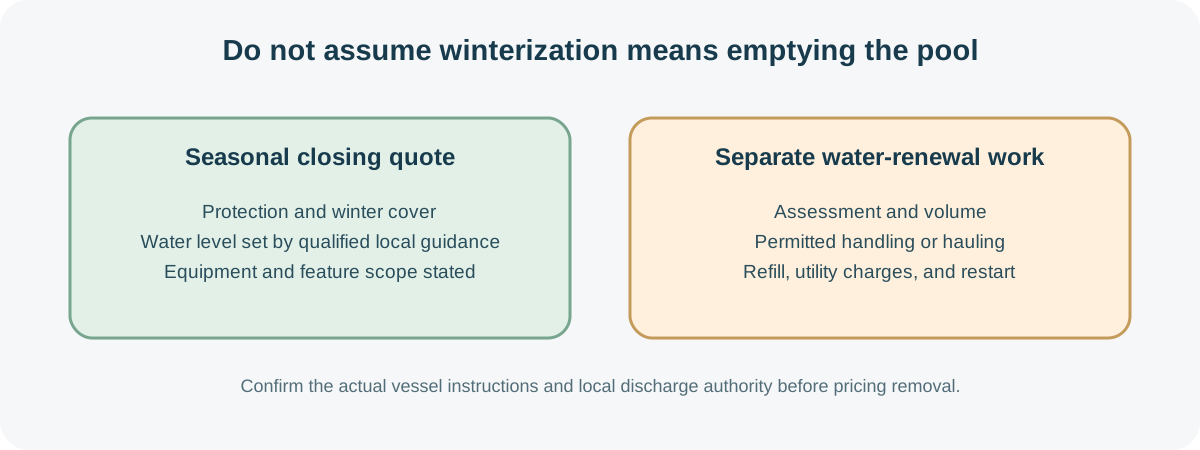
Seasonal water-level management is not the same service as fully renewing the pool water. A closing quote should say whether any water-level adjustment is included and, if water must be removed, who confirms the permitted route and prices any hauling or disposal. Do not assume a pool is emptied as part of a normal closing.
Local rules can distinguish among water types and discharge routes. Phoenix, for example, does not allow saltwater pool water or filter backwash through its permitted right-of-way route; Hamilton publishes different local options and a separate approved-hauler route for salt-pool water. Neither page authorizes a route for another city or property, and neither supplies a disposal price. Confirm the current authority and the provider’s scope before scheduling. For an existing pool that needs nonseasonal full or partial renewal, see Pool Water Replacement Cost: Drain and Refill or Recycle?. Phoenix guidance · Hamilton guidance
Key points
- Closing prices depend on the actual pool, equipment, cover, and climate.
- The Toronto estimate is a single provider signal with no specified service inclusions.
- Separate base winterization, repairs, monitoring, and weather-response visits.
- Follow current manufacturer and qualified local instructions for the actual system.