
Professional opening is a seasonal restart and condition check. It may include cover handling, equipment reassembly, cleaning, circulation startup, water testing, and initial maintenance. A damaged cover, freeze issue, dirty water, failed equipment, or unexplained water loss can turn the base service into a separate repair project.
Use local prices as limited signals
Easy Pools lists a Toronto 2026 spring-opening estimate of CAD $150–$350. The page does not specify a common service package or inclusions, so use it only as one local provider’s planning observation. A local quote should name the pool size and configuration, cover, access, water condition, equipment, service window, chemical responsibility, and extra-work rates. Easy Pools’ Toronto estimates
An Ontario provider’s 2026 menu shows how the endpoint changes the price. Ultimate Pool Service lists equipment start-up from CAD $260 when the owner removes the winter cover, and a full opening from CAD $450 that includes cover removal and pressure washing, equipment preparation and testing, waterline and coping cleaning, and a wash around the pool. The provider describes the full service as a two-business-day process and lists 10 L of liquid chlorine with the full opening. An opening chemical kit, vacuuming, integrated spa start-up, solar system start-up, and other work have separate prices. These are one Oakville, Burlington, and Mississauga provider’s unverified starting offers for the 2026 season, not a market range or a promise of current availability. The menu verifies what this business lists, not typical charges in the area. Ultimate Pool Service’s opening menu
| 2026 local price signal | Published amount | Scope boundary |
|---|---|---|
| Easy Pools, Toronto | CAD $150–$350 | Opening estimate; service package and inclusions are not defined on the cited page |
| Ultimate Pool Service equipment start-up | From CAD $260 | Owner must remove the cover before the visit; equipment preparation, start-up, and testing are listed |
| Ultimate Pool Service full opening | From CAD $450 | Cover removal/cleaning, equipment start-up/testing, and area pressure washing are listed; some chemicals and add-ons are separate |
The amounts are not directly comparable. They come from different providers and the lower estimate does not state what work it buys. The full-opening price has a clearer task list, but it is still a provider-controlled starting price with site, equipment, condition, tax, or scheduling details to confirm. Check the current season’s terms before relying on a past menu.
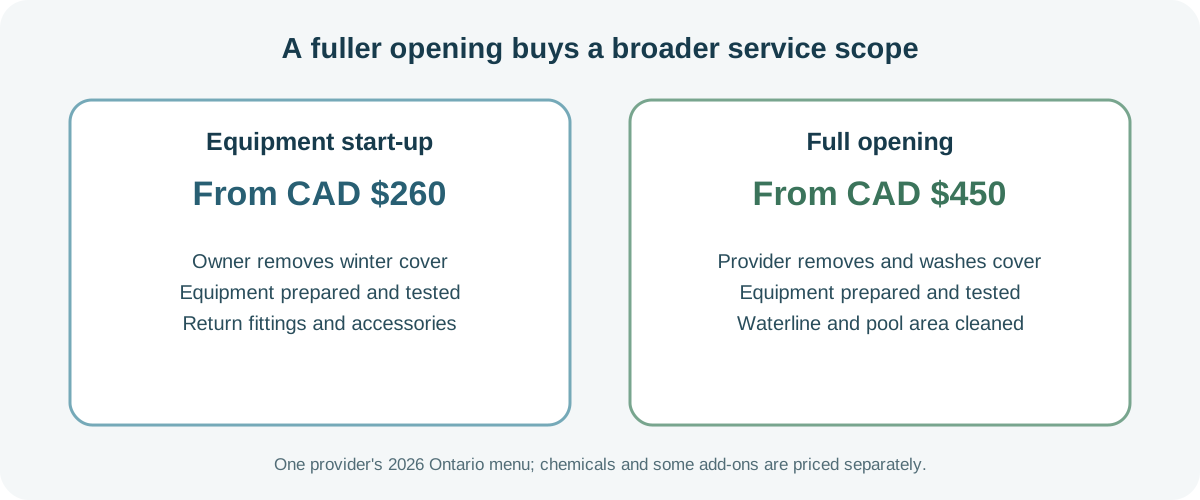
For a straightforward opening, compare cover handling, reassembly, circulation startup, testing, cleaning, and included follow-up. For a dirty or neglected pool, list debris removal, water recovery, treatment, disposal, and additional visits as separate work. For suspected freeze or equipment damage, price diagnosis and repair before treating the pool as ready to use.
A provider may charge extra for a second technician, specialty cover, attached spa, water delivery, filter work, equipment not serviced previously, long travel, or same-week scheduling. Ask which of those items is included in the published estimate and request the local provider’s own written scope. Do not combine a spring-opening price with annual maintenance unless the service calendar and included visits match.
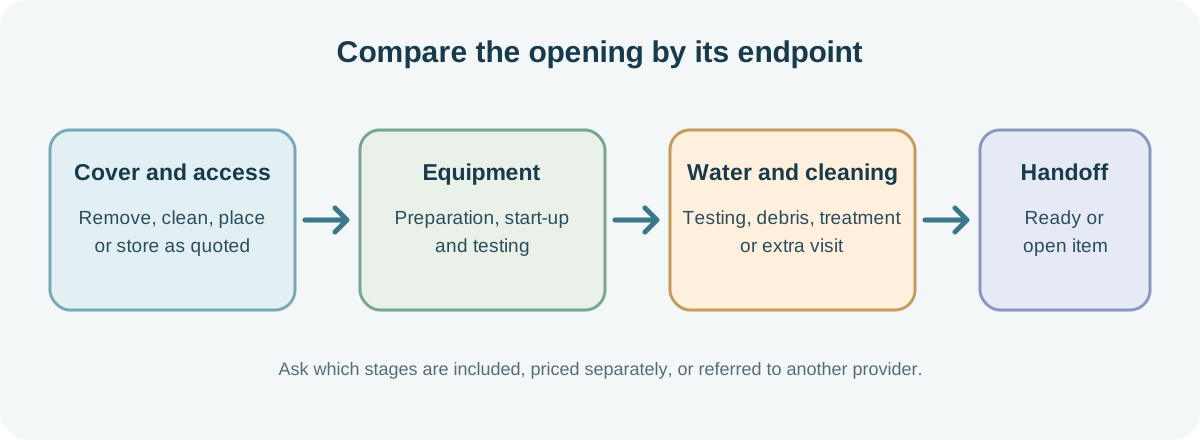
Ask how the provider handles a condition that stops startup
A cracked housing, visible leak, damaged heater, failed control, unusual water loss, or unsafe electrical condition may require equipment to remain off while it is assessed. Agree in advance on the pause point, authorization process, emergency rates, and the professional responsible for the next scope. Do not energize wet or visibly damaged equipment based on generic opening instructions.
CDC guidance recommends routine testing of chlorine and pH and distinguishes pool from hot-tub guidance. It is not a chemical dosing procedure. Follow current product directions and appropriate professional advice for the actual water and system.
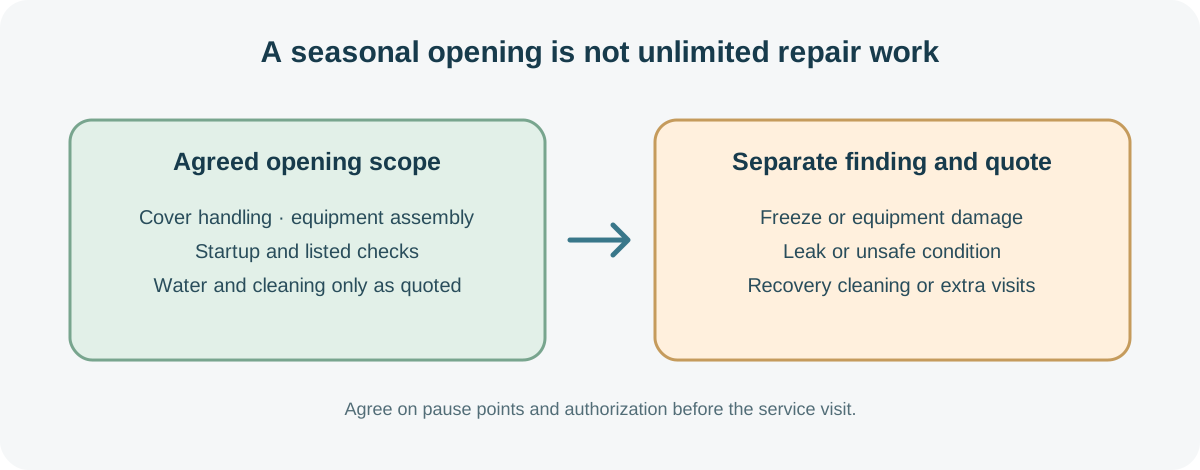
Ask for the base service’s stopping point and extra-work authorization. If an opening reveals a cracked housing, failed heater, suspected leak, damaged cover mechanism, or unsafe electrical condition, the provider should identify whether circulation remains off and what specialist or test is required. The owner should approve each repair scope after receiving a written finding and price; do not treat a standard seasonal package as unlimited repair authorization.
Keep the seasonal handoff
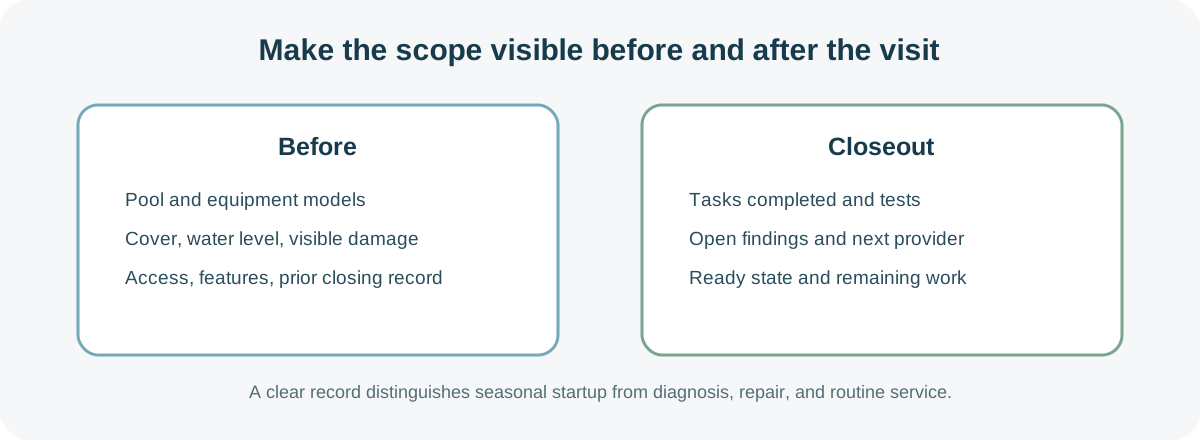
Retain the opening date, water level, cover and equipment condition, tests, photographs, parts or repairs, outstanding limitations, and the point at which routine maintenance starts. Keep the record with the previous closing documentation so the next season’s scope can be compared with the actual condition.
If the opening provider cannot complete a system, ask for a written note naming the open item, responsible professional, expected next visit, and whether the pool should remain out of use. Do not assume that the base service returns automatically after a repair.
What changes the opening price
Price depends on pool configuration, cover, access, water condition, debris, equipment, attached features, and the service history left at closing. A clean, accessible pool with known equipment may fit a standard visit; dirty water, missing fittings, a heavy or automatic cover, or several systems needing startup can require more labor or a return visit.
Define the base visit by its tasks: cover handling and storage, plugs or fittings, equipment reassembly, circulation startup, visual observations, initial water testing, cleaning, and included products. Ask which items are excluded and what condition moves the work into a separately authorized diagnosis or recovery treatment. This keeps the unitemized Toronto estimate from being treated as a standard package.
Distinguish opening from routine maintenance
Opening is an event with a defined startup and handoff. It is not necessarily a weekly cleaning plan, comprehensive equipment inspection, structural review, or repair warranty. If the provider finds algae, a failed pump, a leaking line, or a damaged filter, ask for a separate condition report and quote. Compare that extra work with the annual service option only after both providers define the same tasks.
The provider should also explain what it does not test because the pool is not yet operating or because a component is inaccessible. Keep unresolved findings visible. If an issue affects circulation, water quality, safe access, or electrical operation, ask whether service should stop until a qualified professional evaluates it.
An opening visit may end with a referral to a weekly service provider, a repair contractor, electrician, leak specialist, or water-treatment professional. Confirm which company takes responsibility for the next task and whether the opening provider will return after repair. The handoff should include the test results, unresolved findings, and the point at which routine service is expected to begin.
Know which add-ons belong to another article or trade
A failed pump or heater may belong to an equipment diagnosis; a continuing water loss may require leak detection; a cracked shell or deck may need structural assessment; a damaged electrical component needs a qualified electrician. The opening contractor may identify the symptom without owning the specialist repair. Ask for a referral or written finding and keep that diagnostic fee separate from cleaning and startup.
A pool opening should also identify any cover or access issue that affects safe use. If the provider cannot confirm that the pool is ready, record what must happen next and who has accepted responsibility. Do not infer readiness from the fact that the water is clear or the pump runs.
Prepare the service visit without treating it as a procedure
The owner can make the appointment more efficient by sharing the pool and equipment models, prior closing record, current water level, visible damage, known leaks, cover type, access instructions, and the time the pool is expected to be used. Tell the provider whether the spa, water features, salt system, heater, automation, or automatic cover are included. This lets the company price the right visit and identify which specialist might be needed if a problem prevents startup.
Before the provider arrives, agree who supplies power and water, where the cover can be placed, who has gate access, and whether stored plugs or fittings are available. These are access and scheduling arrangements, not instructions to open, energize, or modify pool equipment. Leave electrical, pressurized, fuel, suction, and chemical decisions to current manufacturer information and qualified personnel.
Ask for the point at which the provider considers the opening complete. The pool may be physically reassembled but still awaiting water treatment, cleaning, testing, an equipment repair, or another inspection. If it is not ready for ordinary use, the closeout should say why, what is still needed, who will perform it, and whether the owner should keep any system off or area restricted.
A seasonal opening price is therefore best compared with an agreed endpoint. One company may quote cover removal and startup only; another may include cleaning, testing, and a follow-up. List those tasks beside the amount and keep any recovery or repair work separate.
Key points
- Separate seasonal startup from repair, recovery treatment, and return visits.
- A Toronto estimate is only a local provider signal with unspecified inclusions.
- Ask what remains untested or out of service before the provider leaves.
- Do not use a cost article as a chemical or equipment procedure.